



Trending
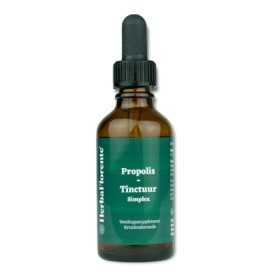
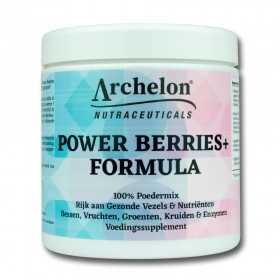
€57.50
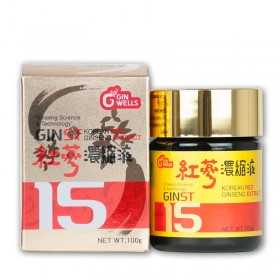
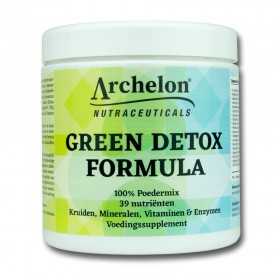
€62.50
€35.95
€62.50
€62.50
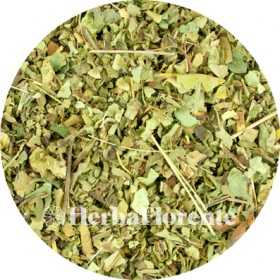
Lungwort - Pulmonaria officinalis
€5.91 €6.95 -15%
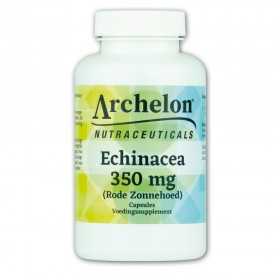
Echinacea (Red Coneflower) - 350 mg
€15.96 €19.95 -20%
List of products by brand HerbaFlorente
There are 288 products.
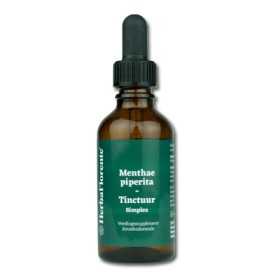
Peppermint Tincture - Menthae piperita Tincture
Single herbal tincture made with dried herb of Menthae piperita (Peppermint).
Peppermint oil is extracted from the leaves of the peppermint plant (Mentha piperita), a cross between water mint (Mentha aquatica) and spearmint (Mentha spicata). Peppermint belongs to the Lamiaceae family, which also includes other aromatic herbs such as basil and rosemary.
The plant was recognized as a distinct species in England in the 17th century and has been widely cultivated ever since. Peppermint naturally contains several essential oils, including menthol, menthone, and cineole, which together contribute to its characteristic fresh scent and flavor.
Peppermint oil is extracted from the leaves of the peppermint plant (Mentha piperita), a cross between water mint (Mentha aquatica) and spearmint (Mentha spicata). Peppermint belongs to the Lamiaceae family, which also includes other aromatic herbs such as basil and rosemary.
The plant was recognized as a distinct species in England in the 17th century and has been widely cultivated ever since. Peppermint naturally contains several essential oils, including menthol, menthone, and cineole, which together contribute to its characteristic fresh scent and flavor.
€11.95
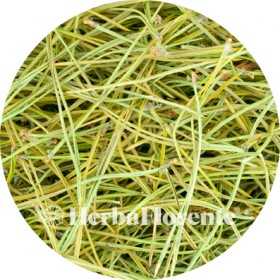
Pine (Needles) - Pinus silvestris
The Scots pine (Pinus sylvestris) belongs to the pine family (Pinaceae) and can reach an age of 200 to 300 years. This tree is known for its rich resin content and characteristic pine scent.
The needles and buds of the Scots pine contain natural compounds such as tannins, flavonoids, and vitamins. The tree's resin contains turpentine and a large number of monoterpenes, including α-pinene, β-pinene, and limonene, which are components of the tree's essential oil.
Scots pine is traditionally used in various applications, such as in aromatic products and in the production of pine oil. Both needles and buds are used in some traditional preparations for their fragrance and flavor.
The needles and buds of the Scots pine contain natural compounds such as tannins, flavonoids, and vitamins. The tree's resin contains turpentine and a large number of monoterpenes, including α-pinene, β-pinene, and limonene, which are components of the tree's essential oil.
Scots pine is traditionally used in various applications, such as in aromatic products and in the production of pine oil. Both needles and buds are used in some traditional preparations for their fragrance and flavor.
€2.00
From: €2.00
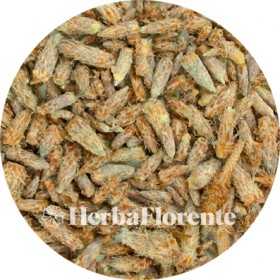
Pine (Seedlings) - Pinus silvestris
The Scots pine (Pinus sylvestris) belongs to the pine family (Pinaceae) and can reach an age of 200 to 300 years. This tree is known for its rich resin content and characteristic pine scent.
The needles and buds of the Scots pine contain natural compounds such as tannins, flavonoids, and vitamins. The tree's resin contains turpentine and a large number of monoterpenes, including α-pinene, β-pinene, and limonene, which are components of the tree's essential oil.
Scots pine is traditionally used in various applications, such as in aromatic products and in the production of pine oil. Both needles and buds are used in some traditional preparations for their fragrance and flavor.
The needles and buds of the Scots pine contain natural compounds such as tannins, flavonoids, and vitamins. The tree's resin contains turpentine and a large number of monoterpenes, including α-pinene, β-pinene, and limonene, which are components of the tree's essential oil.
Scots pine is traditionally used in various applications, such as in aromatic products and in the production of pine oil. Both needles and buds are used in some traditional preparations for their fragrance and flavor.
€2.80
From: €2.80
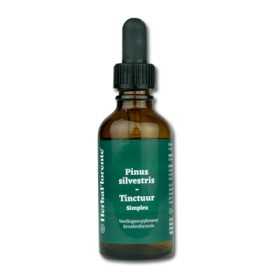
Pine Tincture - Pinus silvestris Tincture
Single herbal tincture made with dried needle of Pinus silvestris (Pine).
The Scots pine (Pinus sylvestris) belongs to the pine family (Pinaceae) and can reach an age of 200 to 300 years. This tree is known for its rich resin content and characteristic pine scent.
The needles and buds of the Scots pine contain natural compounds such as tannins, flavonoids, and vitamins. The tree's resin contains turpentine and a large number of monoterpenes, including α-pinene, β-pinene, and limonene, which are components of the tree's essential oil.
Scots pine is traditionally used in various applications, such as in aromatic products and in the production of pine oil.
The Scots pine (Pinus sylvestris) belongs to the pine family (Pinaceae) and can reach an age of 200 to 300 years. This tree is known for its rich resin content and characteristic pine scent.
The needles and buds of the Scots pine contain natural compounds such as tannins, flavonoids, and vitamins. The tree's resin contains turpentine and a large number of monoterpenes, including α-pinene, β-pinene, and limonene, which are components of the tree's essential oil.
Scots pine is traditionally used in various applications, such as in aromatic products and in the production of pine oil.
€9.95
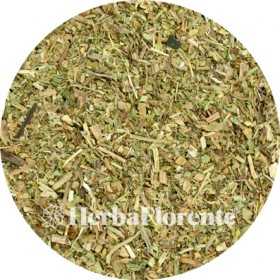
Plantain Broadleaf - Plantaginis major
The Plantain Broadleaf (Plantago major) is a plant belonging to the plantain family (Plantaginaceae) and varies in size from 10 to 50 cm. It forms a dense leaf rosette that is resistant to foot traffic, which is why it is often considered a weed. This plant species is common in gardens, along roads and paths, and is sometimes derisively called the "white man's footprint". Nevertheless, there is a cultivated variety known as Plantago major 'Rosularis'.
€2.00
From: €2.00
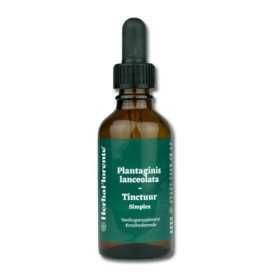
Plantain Narrow Tincture - Plantago lanceolata Tincture
Single herbal tincture made with dried herb of Plantaginis (Plantago) lanceolata (Plantain Narrow).
Ribwort plantain (Plantago lanceolata) is a native plant found in Europe, parts of Asia, North Africa, and North America. It prefers moist, sandy soil and can be found in grasslands, along roads and railways, and even between paving stones.
Ribwort plantain can reach a height of about 75 centimeters and has long, narrow leaves. Starting in May, the plant blooms with light green flower spikes bearing striking white stamens.
Ribwort plantain (Plantago lanceolata) is a native plant found in Europe, parts of Asia, North Africa, and North America. It prefers moist, sandy soil and can be found in grasslands, along roads and railways, and even between paving stones.
Ribwort plantain can reach a height of about 75 centimeters and has long, narrow leaves. Starting in May, the plant blooms with light green flower spikes bearing striking white stamens.
€9.95
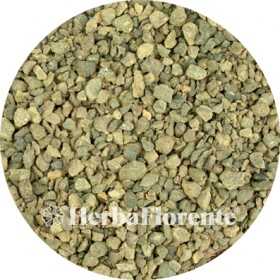
Propolis - Propolis
Propolis is a natural, reddish-brown substance produced by honeybees. Within the hive, bees use propolis as a building and sealing material, among other things, to close openings and strengthen the hive's structure.
Honeybees collect propolis starting in the summer on warm days by gathering resins from the buds and leaves of trees and other plants. These resins are mixed with beeswax and processed with saliva and the bees' legs, creating propolis.
Propolis consists of a combination of plant resins, beeswax, essential oils, and pollen, along with small amounts of vitamins and minerals. The composition can vary depending on the plants in the hive's environment.
Honeybees collect propolis starting in the summer on warm days by gathering resins from the buds and leaves of trees and other plants. These resins are mixed with beeswax and processed with saliva and the bees' legs, creating propolis.
Propolis consists of a combination of plant resins, beeswax, essential oils, and pollen, along with small amounts of vitamins and minerals. The composition can vary depending on the plants in the hive's environment.
€44.00
From: €44.00
Propolis Tincture - Propolis Tincture
Single tincture made with Propolis.
Propolis is a natural, reddish-brown substance produced by honeybees. Within the hive, bees use propolis as a building and sealing material, among other things, to close openings and strengthen the hive's structure.
Honeybees collect propolis starting in the summer on warm days by gathering resins from the buds and leaves of trees and other plants. These resins are mixed with beeswax and processed with saliva and the bees' legs, creating propolis.
Propolis is a natural, reddish-brown substance produced by honeybees. Within the hive, bees use propolis as a building and sealing material, among other things, to close openings and strengthen the hive's structure.
Honeybees collect propolis starting in the summer on warm days by gathering resins from the buds and leaves of trees and other plants. These resins are mixed with beeswax and processed with saliva and the bees' legs, creating propolis.
€20.95
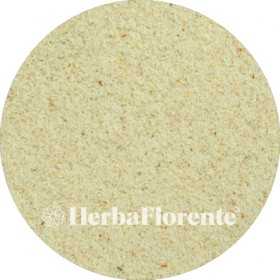
Psyllium husks (Premium Psyllium Fiber) - Psylli flavum Testa
Psyllium husk comes from the seeds of the Plantago psyllium plant. These seeds are largely fiber-rich and are often used as an ingredient in nutritional products and supplements. Psyllium contains both soluble and insoluble fiber.
The seed consists of over 80% fiber, of which approximately 70% is soluble and 30% is insoluble. When psyllium husk comes into contact with water, it forms a gel-like substance that can absorb a significant amount of fluid. Therefore, it is important to drink plenty of water when using psyllium.
Because of these properties, psyllium is often used in products intended to supplement daily fiber intake.
The seed consists of over 80% fiber, of which approximately 70% is soluble and 30% is insoluble. When psyllium husk comes into contact with water, it forms a gel-like substance that can absorb a significant amount of fluid. Therefore, it is important to drink plenty of water when using psyllium.
Because of these properties, psyllium is often used in products intended to supplement daily fiber intake.
€2.80
From: €2.80
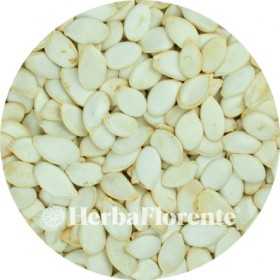
Pumpkin Seeds - Cucurbitae incortis
Pumpkin seeds are rich in nutrients and calories, with a particularly high fat content (especially linoleic acid and oleic acid), protein, dietary fiber and numerous micronutrients. Pumpkin seeds are a common ingredient in Mexican cuisine and are also roasted and served as a snack.
€2.00
From: €2.00
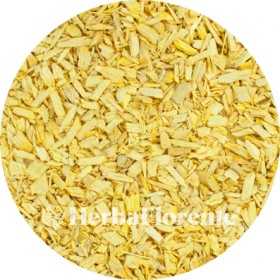
Quassia - Quassiae - Cut
Bitterwood, known in Suriname as kwasibita, is the heartwood of Quassia amara, a plant species in the Quassia genus, belonging to the Simaroubaceae family. The plant is native to tropical South America.
Quassia amara is a small, evergreen shrub found in regions including the Guyanas, northern Brazil, and Venezuela. The plant grows primarily in the rainforest understory. Its striking bright red flowers, which are primarily pollinated by hummingbirds, are a striking feature. Because of these decorative flowers, the plant is also cultivated outside its natural habitat as an ornamental.
Quassia amara is a small, evergreen shrub found in regions including the Guyanas, northern Brazil, and Venezuela. The plant grows primarily in the rainforest understory. Its striking bright red flowers, which are primarily pollinated by hummingbirds, are a striking feature. Because of these decorative flowers, the plant is also cultivated outside its natural habitat as an ornamental.
€2.40
From: €2.40
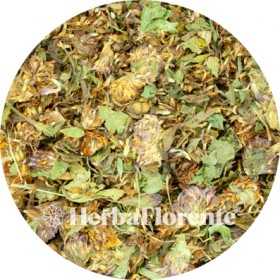
Red Clover (Flower) - Trifolii Rubr. pratense - Whole
Red clover (Trifolium pratense) is a plant native to Europe and Central Asia. It is characterized by its compound leaves, which usually consist of three leaflets, and its light purple flower heads.
Red clover flower heads naturally contain various plant compounds, including isoflavones. Isoflavones belong to the polyphenol group and are part of the plant's natural composition. Red clover also contains vitamins such as vitamin C, B1, B2, B3, beta-carotene, and choline.
Red clover has a long history of use in various cultures and is now incorporated into a variety of herbal preparations, such as teas and other plant products.
Red clover flower heads naturally contain various plant compounds, including isoflavones. Isoflavones belong to the polyphenol group and are part of the plant's natural composition. Red clover also contains vitamins such as vitamin C, B1, B2, B3, beta-carotene, and choline.
Red clover has a long history of use in various cultures and is now incorporated into a variety of herbal preparations, such as teas and other plant products.
€3.60
From: €3.60
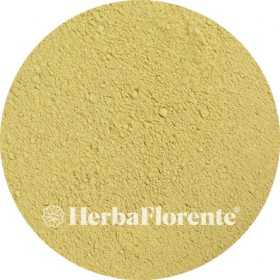
Red Clover - Trifolii Rubr. pratense
Red clover (Trifolium pratense) is a plant native to Europe and Central Asia. It is characterized by its compound leaves, which usually consist of three leaflets, and its light purple flower heads.
Red clover flower heads naturally contain various plant compounds, including isoflavones. Isoflavones belong to the polyphenol group and are part of the plant's natural composition. Red clover also contains vitamins such as vitamin C, B1, B2, B3, beta-carotene, and choline.
Red clover has a long history of use in various cultures and is now incorporated into a variety of herbal preparations, such as teas and other plant products.
Red clover flower heads naturally contain various plant compounds, including isoflavones. Isoflavones belong to the polyphenol group and are part of the plant's natural composition. Red clover also contains vitamins such as vitamin C, B1, B2, B3, beta-carotene, and choline.
Red clover has a long history of use in various cultures and is now incorporated into a variety of herbal preparations, such as teas and other plant products.
€4.20
From: €4.20
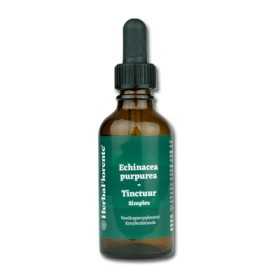
Red Coneflower Tincture - Echinacea purpurea Tincture
Single herbal tincture made with dried herb & root of Echinacea purpurea (Red Coneflower).
The purple coneflower (Echinacea purpurea) is a perennial plant belonging to the Asteraceae family. The genus name Echinacea is derived from the Greek word echinos, meaning "hedgehog," and refers to the spiky flower cone that characterizes this plant.
Echinacea purpurea is native to North America and is now cultivated worldwide. The plant has striking purplish-pink flowers and is valued for its ornamental appearance and botanical properties. Since the early twentieth century, there has been considerable interest in this species in Europe, leading to extensive botanical and historical research.
The purple coneflower (Echinacea purpurea) is a perennial plant belonging to the Asteraceae family. The genus name Echinacea is derived from the Greek word echinos, meaning "hedgehog," and refers to the spiky flower cone that characterizes this plant.
Echinacea purpurea is native to North America and is now cultivated worldwide. The plant has striking purplish-pink flowers and is valued for its ornamental appearance and botanical properties. Since the early twentieth century, there has been considerable interest in this species in Europe, leading to extensive botanical and historical research.
€12.95
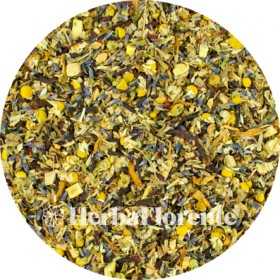
Relax Herbal Tea
Herbal tea composed of various herbs
Nice for a relaxing moment
Nice for a relaxing moment
€3.95
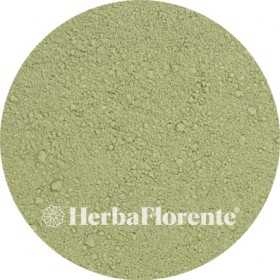
Ribwort Plantain - Plantaginis lanceolata
Ribwort plantain (Plantago lanceolata) is a native plant found in Europe, parts of Asia, North Africa, and North America. It prefers moist, sandy soil and can be found in grasslands, along roads and railways, and even between paving stones.
Ribwort plantain can reach a height of about 75 centimeters and has long, narrow leaves. Starting in May, the plant blooms with light green flower spikes bearing striking white stamens.
The young leaves contain various natural plant compounds, including mucilage, tannins, bitter substances, and flavonoids, as well as minerals such as potassium and zinc. Ribwort plantain has a long history of traditional and folklore uses and is often considered a common wild plant.
Ribwort plantain can reach a height of about 75 centimeters and has long, narrow leaves. Starting in May, the plant blooms with light green flower spikes bearing striking white stamens.
The young leaves contain various natural plant compounds, including mucilage, tannins, bitter substances, and flavonoids, as well as minerals such as potassium and zinc. Ribwort plantain has a long history of traditional and folklore uses and is often considered a common wild plant.
€2.40
From: €2.40
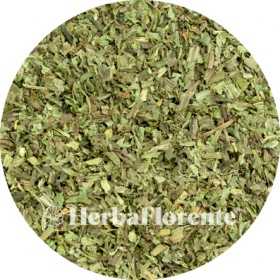
Ribwort Plantain - Plantaginis lanceolata - Cut
Ribwort plantain (Plantago lanceolata) is a native plant found in Europe, parts of Asia, North Africa, and North America. It prefers moist, sandy soil and can be found in grasslands, along roads and railways, and even between paving stones.
Ribwort plantain can reach a height of about 75 centimeters and has long, narrow leaves. Starting in May, the plant blooms with light green flower spikes bearing striking white stamens.
The young leaves contain various natural plant compounds, including mucilage, tannins, bitter substances, and flavonoids, as well as minerals such as potassium and zinc. Ribwort plantain has a long history of traditional and folklore uses and is often considered a common wild plant.
Ribwort plantain can reach a height of about 75 centimeters and has long, narrow leaves. Starting in May, the plant blooms with light green flower spikes bearing striking white stamens.
The young leaves contain various natural plant compounds, including mucilage, tannins, bitter substances, and flavonoids, as well as minerals such as potassium and zinc. Ribwort plantain has a long history of traditional and folklore uses and is often considered a common wild plant.
€2.00
From: €2.00
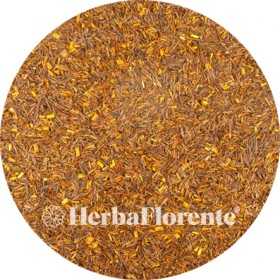
Rooibos - Aspalathi linearis
Rooibos (Aspalathus linearis) is a plant in the legume family (Leguminosae) that grows naturally in the fynbos around the Cederberg Mountains in South Africa. Since around 1930, the plant has been cultivated for the production of rooibos tea. The leaves are picked, crushed, and left in the sun to oxidize, giving them their characteristic reddish-brown color.
The name 'rooibos' comes from Afrikaans and means "red forest," derived from the Dutch word.
Rooibos is traditionally used in South Africa as a spice and is used in both beverages and cosmetics. It is naturally caffeine-free and low in tannins, giving it a mild, slightly sweet flavor. Rooibos leaves contain various plant compounds, including antioxidants and minerals such as calcium and iron.
The name 'rooibos' comes from Afrikaans and means "red forest," derived from the Dutch word.
Rooibos is traditionally used in South Africa as a spice and is used in both beverages and cosmetics. It is naturally caffeine-free and low in tannins, giving it a mild, slightly sweet flavor. Rooibos leaves contain various plant compounds, including antioxidants and minerals such as calcium and iron.
€2.50
From: €2.50
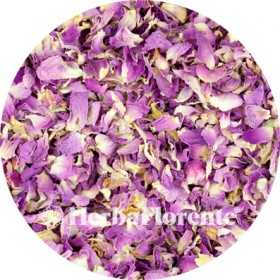
Rose - Rosae damascena
Rosae damascena, also known as the damask rose, is a versatile flower with many names, including the Iranian rose, Bulgarian rose, Taif rose, Ispahan rose and Castile rose.
These flowers are known for their delicate fragrance and are grown commercially for rose oil, both "rose otto" and "rose absolute", which is widely used in perfumery. They are also used to make rose water and "rose concrete". The petals are even edible and are used to flavor dishes, as a garnish, to make herbal tea and to preserve gulkand in sugar. Moreover, the damask rose is the national flower of Iran.
These flowers are known for their delicate fragrance and are grown commercially for rose oil, both "rose otto" and "rose absolute", which is widely used in perfumery. They are also used to make rose water and "rose concrete". The petals are even edible and are used to flavor dishes, as a garnish, to make herbal tea and to preserve gulkand in sugar. Moreover, the damask rose is the national flower of Iran.
€12.50
From: €12.50
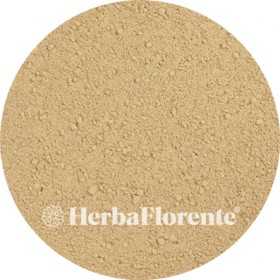
Rose Root - Rhodiola rosea
Out-of-Stock
Rhodiola rosea (Rhodiola rosea), also known as "golden root," is a succulent plant that grows naturally in cold, rocky regions around the world. The plant's roots have a distinctive scent reminiscent of roses.
Rhodiola rosea is traditionally used in various cultures and is incorporated into herbal preparations. The root naturally contains several plant compounds, including rosavin and salidroside. These compounds are part of the root's composition and contribute to the herb's characteristic properties.
Rhodiola rosea can be used in herbal teas and other herbal products and is prized for its natural origins and rich composition.
Rhodiola rosea is traditionally used in various cultures and is incorporated into herbal preparations. The root naturally contains several plant compounds, including rosavin and salidroside. These compounds are part of the root's composition and contribute to the herb's characteristic properties.
Rhodiola rosea can be used in herbal teas and other herbal products and is prized for its natural origins and rich composition.
€20.00
From: €20.00
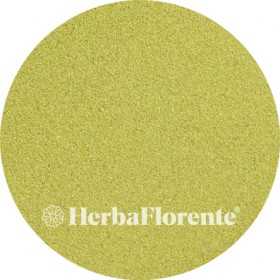
Rosemary - Rosmarini officinalis
Rosemary (Rosmarinus officinalis L.) is a fragrant, compact shrub from the Lamiaceae family. Native to the Mediterranean region, it is known for its aromatic leaves and lavender-blue flowers that appear in spring.
The name "rosemary" derives from the Latin: ros meaning "dew" and marinus meaning "sea," together meaning "dew of the sea." Rosemary has been prized for centuries in diverse cultures, from the ancient Greeks to the Romans, and is used in culinary dishes and herbal teas.
Rosemary naturally contains plant compounds, including aromatic oils and antioxidants, which contribute to the herb's characteristic aroma and flavor. It is used in a wide variety of dishes, from meat and fish dishes to sauces and marinades, and is also popular in aromatic oils and spice blends.
The name "rosemary" derives from the Latin: ros meaning "dew" and marinus meaning "sea," together meaning "dew of the sea." Rosemary has been prized for centuries in diverse cultures, from the ancient Greeks to the Romans, and is used in culinary dishes and herbal teas.
Rosemary naturally contains plant compounds, including aromatic oils and antioxidants, which contribute to the herb's characteristic aroma and flavor. It is used in a wide variety of dishes, from meat and fish dishes to sauces and marinades, and is also popular in aromatic oils and spice blends.
€2.00
From: €2.00
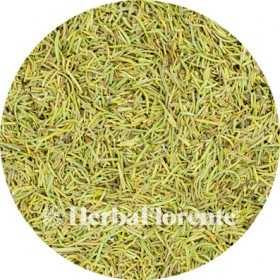
Rosemary - Rosmarini officinalis - Cut
Rosemary (Rosmarinus officinalis L.) is a fragrant, compact shrub from the Lamiaceae family. Native to the Mediterranean region, it is known for its aromatic leaves and lavender-blue flowers that appear in spring.
The name "rosemary" derives from the Latin: ros meaning "dew" and marinus meaning "sea," together meaning "dew of the sea." Rosemary has been prized for centuries in diverse cultures, from the ancient Greeks to the Romans, and is used in culinary dishes and herbal teas.
Rosemary naturally contains plant compounds, including aromatic oils and antioxidants, which contribute to the herb's characteristic aroma and flavor. It is used in a wide variety of dishes, from meat and fish dishes to sauces and marinades, and is also popular in aromatic oils and spice blends.
The name "rosemary" derives from the Latin: ros meaning "dew" and marinus meaning "sea," together meaning "dew of the sea." Rosemary has been prized for centuries in diverse cultures, from the ancient Greeks to the Romans, and is used in culinary dishes and herbal teas.
Rosemary naturally contains plant compounds, including aromatic oils and antioxidants, which contribute to the herb's characteristic aroma and flavor. It is used in a wide variety of dishes, from meat and fish dishes to sauces and marinades, and is also popular in aromatic oils and spice blends.
€2.00
From: €2.00
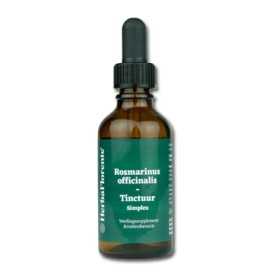
Rosemary Tincture - Rosmarinus officinalis Tincture
Single herbal tincture made with dried leaf of Rosmarinus officinalis (Rosemary).
Rosemary (Rosmarinus officinalis L.) is a fragrant, compact shrub from the Lamiaceae family. Native to the Mediterranean region, it is known for its aromatic leaves and lavender-blue flowers that appear in spring.
The name "rosemary" derives from the Latin: ros meaning "dew" and marinus meaning "sea," together meaning "dew of the sea." Rosemary has been prized for centuries in diverse cultures, from the ancient Greeks to the Romans, and is used in culinary dishes and herbal teas.
Rosemary (Rosmarinus officinalis L.) is a fragrant, compact shrub from the Lamiaceae family. Native to the Mediterranean region, it is known for its aromatic leaves and lavender-blue flowers that appear in spring.
The name "rosemary" derives from the Latin: ros meaning "dew" and marinus meaning "sea," together meaning "dew of the sea." Rosemary has been prized for centuries in diverse cultures, from the ancient Greeks to the Romans, and is used in culinary dishes and herbal teas.
€10.95
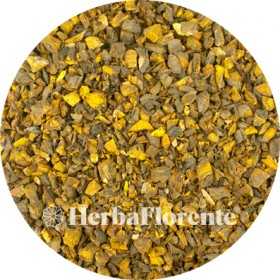
Russian / Chinese Rhubarb - Rheum palmatum / Rheum officinalis
Rheum officinale, also known as Chinese rhubarb or Russian rhubarb, belongs to the knotweed family (Polygonaceae). The plant is native to mountainous regions of western and northwestern China, India, Tibet, Russia, and Turkey, at altitudes between 1,200 and 4,000 meters. Rheum officinale can reach a height of 1.5 to 2 meters.
The stems of the plant are often used as food, while the leaves contain oxalic acid and are therefore unsuitable for consumption.
The stems of the plant are often used as food, while the leaves contain oxalic acid and are therefore unsuitable for consumption.
€2.50
From: €2.50