



Trending
€57.50

€62.50

€35.95
€62.50
€62.50

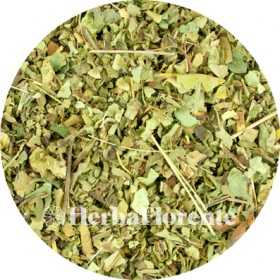
Lungwort - Pulmonaria officinalis
€5.91 €6.95 -15%
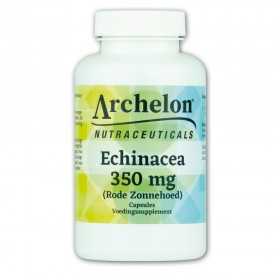
Echinacea (Red Coneflower) - 350 mg
€15.96 €19.95 -20%
List of products by brand HerbaFlorente
There are 288 products.
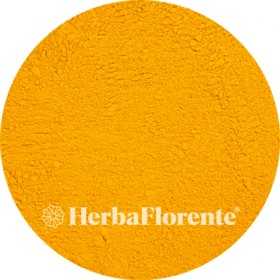
Tumeric long. - Curcumae longae
Turmeric, also known as turmeric (Curcuma longa), is a tropical plant native to India and Southeast Asia. The root has been used for centuries and is best known in powdered form. In the Netherlands, it is often called "geelwortel" (yellow root) because of its bright yellow color, which is used in curry mixtures, mustard, and other culinary preparations.
Turmeric plays an important role in various Asian cuisines, where it is valued for its color, aroma, and distinctive flavor. The root is found in historical and cultural sources and was traditionally incorporated into dishes and spice blends.
Turmeric plays an important role in various Asian cuisines, where it is valued for its color, aroma, and distinctive flavor. The root is found in historical and cultural sources and was traditionally incorporated into dishes and spice blends.
€2.00
From: €2.00
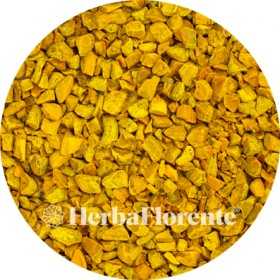
Tumeric long. - Curcumae longae - Cut
Turmeric, also known as turmeric (Curcuma longa), is a tropical plant native to India and Southeast Asia. The root has been used for centuries and is best known in powdered form. In the Netherlands, it is often called "geelwortel" (yellow root) because of its bright yellow color, which is used in curry mixtures, mustard, and other culinary preparations.
Turmeric plays an important role in various Asian cuisines, where it is valued for its color, aroma, and distinctive flavor. The root is found in historical and cultural sources and was traditionally incorporated into dishes and spice blends.
Turmeric plays an important role in various Asian cuisines, where it is valued for its color, aroma, and distinctive flavor. The root is found in historical and cultural sources and was traditionally incorporated into dishes and spice blends.
€2.00
From: €2.00
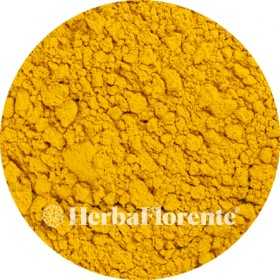
Tumeric zanth. - Curcumae zanthorrhizae
Turmeric, also known as Javanese ginger (Curcuma xanthorrhiza), is a tropical plant native to India and Southeast Asia. The root of this plant has been used for centuries and is best known in powdered form. In the Netherlands, turmeric is also known as yellow root (gelukkigroot) because of its intense yellow color, which is used in curry mixtures and mustard, among other things.
Turmeric plays an important role in various Asian cuisines, where it is valued for its color, aroma, and characteristic flavor. Besides its culinary uses, turmeric is traditionally described in historical and cultural sources from India and Indonesia, where the root played an integral role in daily life.
Turmeric plays an important role in various Asian cuisines, where it is valued for its color, aroma, and characteristic flavor. Besides its culinary uses, turmeric is traditionally described in historical and cultural sources from India and Indonesia, where the root played an integral role in daily life.
€2.40
From: €2.40
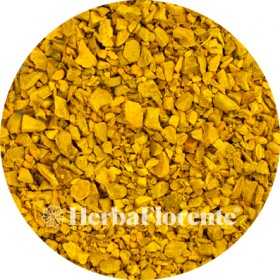
Tumeric zanth. - Curcumae zanthorrhizae - Cut
Turmeric, also known as Javanese ginger (Curcuma xanthorrhiza), is a tropical plant native to India and Southeast Asia. The root of this plant has been used for centuries and is best known in powdered form. In the Netherlands, turmeric is also known as yellow root (gelukkigroot) because of its intense yellow color, which is used in curry mixtures and mustard, among other things.
Turmeric plays an important role in various Asian cuisines, where it is valued for its color, aroma, and characteristic flavor. Besides its culinary uses, turmeric is traditionally described in historical and cultural sources from India and Indonesia, where the root played an integral role in daily life.
Turmeric plays an important role in various Asian cuisines, where it is valued for its color, aroma, and characteristic flavor. Besides its culinary uses, turmeric is traditionally described in historical and cultural sources from India and Indonesia, where the root played an integral role in daily life.
€2.00
From: €2.00
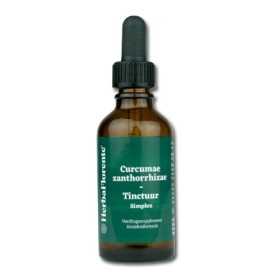
Tumeric zanthorrhiza Tincture - Curcumae zanthorrhizae Tincture
Single herbal tincture made with dried root of Curcumae zanthorrhizae (Tumeric).
Turmeric, also known as Javanese ginger (Curcuma xanthorrhiza), is a tropical plant native to India and Southeast Asia. The root of this plant has been used for centuries and is best known in powdered form. In the Netherlands, turmeric is also known as yellow root (gelukkigroot) because of its intense yellow color, which is used in curry mixtures and mustard, among other things.
Turmeric plays an important role in various Asian cuisines, where it is valued for its color, aroma, and characteristic flavor. Besides its culinary uses, turmeric is traditionally described in historical and cultural sources from India and Indonesia, where the root played an integral role in daily life.
Turmeric, also known as Javanese ginger (Curcuma xanthorrhiza), is a tropical plant native to India and Southeast Asia. The root of this plant has been used for centuries and is best known in powdered form. In the Netherlands, turmeric is also known as yellow root (gelukkigroot) because of its intense yellow color, which is used in curry mixtures and mustard, among other things.
Turmeric plays an important role in various Asian cuisines, where it is valued for its color, aroma, and characteristic flavor. Besides its culinary uses, turmeric is traditionally described in historical and cultural sources from India and Indonesia, where the root played an integral role in daily life.
€9.95
Valerian - Valerianae officinalis
Valerian (Valeriana officinalis) is a plant with a long history of use in Europe. It is still common in the Netherlands and prefers airy, moist soil. The roots of the plant, in particular, are known for their strong and distinctive odor, which attracts cats, among other things.
Valerian has been used in folk customs and traditions since ancient times. Our ancestors employed the herb in rituals and symbolic practices, for example, to ward off evil. Brides and grooms wore wreaths of valerian leaves, and farmers used the herb in traditional agricultural practices.
Valerian's distinct scent is due to the natural plant compounds found in the root. Today, valerian is primarily valued for its characteristic properties and historical significance.
Valerian has been used in folk customs and traditions since ancient times. Our ancestors employed the herb in rituals and symbolic practices, for example, to ward off evil. Brides and grooms wore wreaths of valerian leaves, and farmers used the herb in traditional agricultural practices.
Valerian's distinct scent is due to the natural plant compounds found in the root. Today, valerian is primarily valued for its characteristic properties and historical significance.
€3.70
From: €3.70
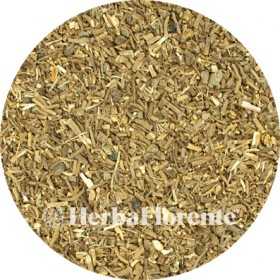
Valerian - Valerianae officinalis - Cut
Valerian (Valeriana officinalis) is a plant with a long history of use in Europe. It is still common in the Netherlands and prefers airy, moist soil. The roots of the plant, in particular, are known for their strong and distinctive odor, which attracts cats, among other things.
Valerian has been used in folk customs and traditions since ancient times. Our ancestors employed the herb in rituals and symbolic practices, for example, to ward off evil. Brides and grooms wore wreaths of valerian leaves, and farmers used the herb in traditional agricultural practices.
Valerian's distinct scent is due to the natural plant compounds found in the root. Today, valerian is primarily valued for its characteristic properties and historical significance.
Valerian has been used in folk customs and traditions since ancient times. Our ancestors employed the herb in rituals and symbolic practices, for example, to ward off evil. Brides and grooms wore wreaths of valerian leaves, and farmers used the herb in traditional agricultural practices.
Valerian's distinct scent is due to the natural plant compounds found in the root. Today, valerian is primarily valued for its characteristic properties and historical significance.
€2.40
From: €2.40
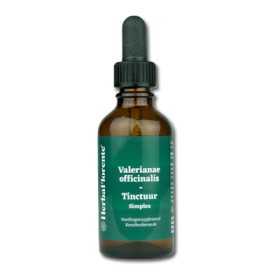
Valerian Tincture - Valerianae officinalis Tincture
Single herbal tincture made with dried root of Valerianae officinalis (Valerian).
Valerian (Valeriana officinalis) is a plant with a long history of use in Europe. It is still common in the Netherlands and prefers airy, moist soil. The roots of the plant, in particular, are known for their strong and distinctive odor, which attracts cats, among other things.
Valerian has been used in folk customs and traditions since ancient times. Our ancestors employed the herb in rituals and symbolic practices, for example, to ward off evil. Brides and grooms wore wreaths of valerian leaves, and farmers used the herb in traditional agricultural practices.
Valerian (Valeriana officinalis) is a plant with a long history of use in Europe. It is still common in the Netherlands and prefers airy, moist soil. The roots of the plant, in particular, are known for their strong and distinctive odor, which attracts cats, among other things.
Valerian has been used in folk customs and traditions since ancient times. Our ancestors employed the herb in rituals and symbolic practices, for example, to ward off evil. Brides and grooms wore wreaths of valerian leaves, and farmers used the herb in traditional agricultural practices.
€10.95
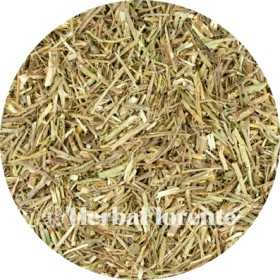
Vervain - Verbena officinalis
Verbena (Verbena officinalis) is a plant that belongs to the Verbena family. It is a perennial herbaceous plant, sometimes annual, with a thin, erect stem that can grow up to 100 cm in height, with the bottom of the stem becoming lignified. The leaves of vervain are hairy and can take different shapes. This plant has no distinctive odor and tastes bitter raw and untreated.
The flowers of vervain appear in spike-shaped clusters in the leaf axils. They are trumpet shaped and vary in color from soft pink to violet. The flowering period extends from June to autumn. The flower spikes are slender yet sturdy and flexible. The fruit of vervain is a split fruit.
The flowers of vervain appear in spike-shaped clusters in the leaf axils. They are trumpet shaped and vary in color from soft pink to violet. The flowering period extends from June to autumn. The flower spikes are slender yet sturdy and flexible. The fruit of vervain is a split fruit.
€2.00
From: €2.00
Vlezige Hokjespeul (Astragalus) - Astragalus chinensis membranus
Astragalus, also known as fleshy box pod (Astragalus membranaceus), is a plant native to Asia. The root of the plant has been used in traditional Chinese culture for thousands of years.
Astragalus holds an important place in this tradition and is associated with the concept of "qi," which represents life energy. Astragalus is used in a variety of applications, such as herbal teas, powders, and other herbal preparations.
The root contains various natural plant compounds and is valued for its long history of traditional use.
Astragalus holds an important place in this tradition and is associated with the concept of "qi," which represents life energy. Astragalus is used in a variety of applications, such as herbal teas, powders, and other herbal preparations.
The root contains various natural plant compounds and is valued for its long history of traditional use.
€2.90
From: €2.90
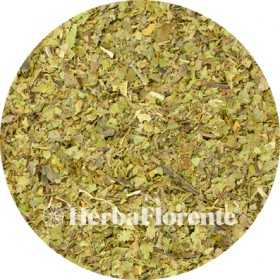
Walnut - Juglans regia
The Juglans regia, also known as walnut, walnut or walnut, belongs to the walnut family (Juglandaceae). This species is also known as common walnut or Persian walnut, to avoid confusion with the genus Juglans. Other species in the genus Juglans include the white walnut and the black walnut.
This deciduous tree can reach a height of up to 30 meters with a crown that can be more than 10 meters wide. The leaves are odd-pinnate and can be 25-40 cm long, consisting of five to nine leaflets per compound leaf. The three largest leaflets are located at the end of the leaf and measure 10-18 cm long and 6-8 cm wide. The leaflets at the base of the leaf are smaller, usually 5-8 cm long.
This deciduous tree can reach a height of up to 30 meters with a crown that can be more than 10 meters wide. The leaves are odd-pinnate and can be 25-40 cm long, consisting of five to nine leaflets per compound leaf. The three largest leaflets are located at the end of the leaf and measure 10-18 cm long and 6-8 cm wide. The leaflets at the base of the leaf are smaller, usually 5-8 cm long.
€2.00
From: €2.00
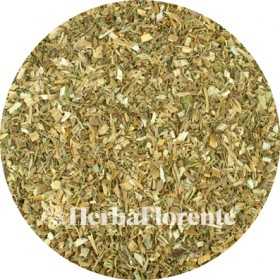
Watercress - Nasturtium officinale
Watercress belongs to the Brassicaceae family and resembles the slender watercress (Rorippa microphylla), but is distinguished by shorter fruits and a different seed structure.
The plant grows in and around water, such as along streams, ditches, ponds, and in marshes. It is a spineless, hairless plant that can grow 10 to 60 cm tall and has a hollow, square stem that often creeps at the base. Watercress blooms with white flowers and petals of 4 to 6 mm.
The plant grows in and around water, such as along streams, ditches, ponds, and in marshes. It is a spineless, hairless plant that can grow 10 to 60 cm tall and has a hollow, square stem that often creeps at the base. Watercress blooms with white flowers and petals of 4 to 6 mm.
€3.75
From: €3.75
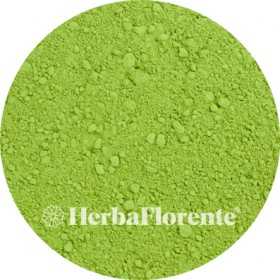
Wheatgrass - Triticum aestivum
Wheatgrass is a plant that naturally contains vitamins A, C, and E, as well as minerals like calcium, magnesium, and iron. It also contains chlorophyll and natural enzymes. The chlorophyll content of wheatgrass is significant.
€2.00
From: €2.00
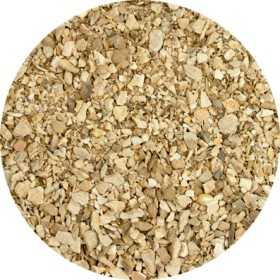
Wild Yam Root - Dioscorea villosa
The yam root is one of the oldest cultivated crops in the world. In Asia, the plant was already being cultivated around 3000 BC. In China, it is known as Chinese yam, and in Japan as nagaimo. In Africa, too, yam still forms an important part of the daily diet today.
The domestication of yam took place independently on different continents. The tubers are highly variable in shape and size. They can be round, elongated, or highly branched. Depending on the species, mature tubers can reach a weight of approximately 1 kilogram to more than 50 kilograms. The flesh also shows variation in color and can be white, yellow, or pink.
The domestication of yam took place independently on different continents. The tubers are highly variable in shape and size. They can be round, elongated, or highly branched. Depending on the species, mature tubers can reach a weight of approximately 1 kilogram to more than 50 kilograms. The flesh also shows variation in color and can be white, yellow, or pink.
€3.80
From: €3.80
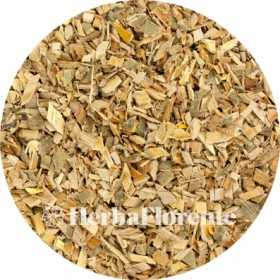
Willow - Salicis alba
The white willow (Salix alba), also known as the "white willow" in English, is a common tree in the Netherlands. The bark of the willow naturally contains salicin, a glycoside identified as early as 1828 by the German pharmacist Johann Andreas Buchner.
The white willow is valued for its long history of use and is botanically interesting for its characteristic leaves and growth habit.
The white willow is valued for its long history of use and is botanically interesting for its characteristic leaves and growth habit.
€2.00
From: €2.00
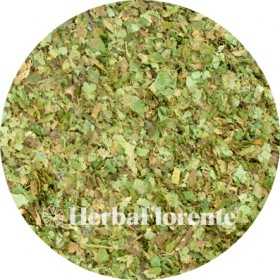
Witch Hazel (Leaf) - Hamamelis virginiana
The American witch hazel (Hamamelis virginiana) is a shrub belonging to the family Hamamelidaceae, native to North America from Nova Scotia to Minnesota, and from southern and central Florida to eastern Texas.
The shrub can reach a height of 6 to sometimes even 10 meters, with a bushy growth thanks to the many branches that arise just above the ground. The bark is light brown, smooth but somewhat flaky, and shows a reddish-purple color on the inside.
Blooming from September through October, the flowers of the American witch hazel display clusters of 4 stamens. They usually range from pale yellow to bright yellow, although orange or red hues also occur. The petals are ribbon-shaped and measure 10-20 mm in length.
The shrub can reach a height of 6 to sometimes even 10 meters, with a bushy growth thanks to the many branches that arise just above the ground. The bark is light brown, smooth but somewhat flaky, and shows a reddish-purple color on the inside.
Blooming from September through October, the flowers of the American witch hazel display clusters of 4 stamens. They usually range from pale yellow to bright yellow, although orange or red hues also occur. The petals are ribbon-shaped and measure 10-20 mm in length.
€5.00
From: €5.00
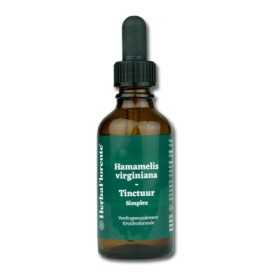
Witch Hazel Tincture - Hamamelis virginiana Tincture
Single herbal tincture made with dried bark of Hamamelis virginiana (Witch Hazel).
The American witch hazel (Hamamelis virginiana) is a shrub belonging to the family Hamamelidaceae, native to North America from Nova Scotia to Minnesota, and from southern and central Florida to eastern Texas.
The shrub can reach a height of 6 to sometimes even 10 meters, with a bushy growth thanks to the many branches that arise just above the ground. The bark is light brown, smooth but somewhat flaky, and shows a reddish-purple color on the inside.
The American witch hazel (Hamamelis virginiana) is a shrub belonging to the family Hamamelidaceae, native to North America from Nova Scotia to Minnesota, and from southern and central Florida to eastern Texas.
The shrub can reach a height of 6 to sometimes even 10 meters, with a bushy growth thanks to the many branches that arise just above the ground. The bark is light brown, smooth but somewhat flaky, and shows a reddish-purple color on the inside.
€10.95
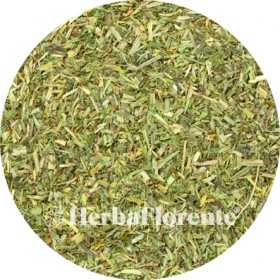
Woddruff Sweet - Galium aparine
Woddruff Sweet (Galium aparine) belongs to the star-leaved family (Rubiaceae). This plant is known for its ability to cling to objects it comes into contact with, thanks to the numerous hooks on both the stem and fruits. This causes plants and fruits to get caught in the fur of animals, resulting in widespread dispersal over great distances.
Cleaver leaves are widest above the middle and have one central vein. They grow together in whorls of seven. These leaves also have hooks, albeit less than the rest of the plant. The stem is thickened at the tips.
Cleaver leaves are widest above the middle and have one central vein. They grow together in whorls of seven. These leaves also have hooks, albeit less than the rest of the plant. The stem is thickened at the tips.
€2.50
From: €2.50
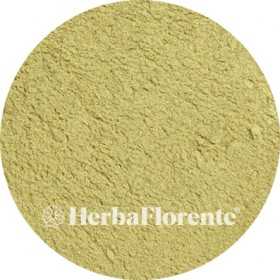
Wormwood Herb - Artemisia absinthium
Absinthe wormwood (Artemisia absinthium) is a plant from the composite family (Asteraceae). This species is on the Dutch Red List of plants as quite rare and moderately reduced in numbers. It is a perennial plant that grows naturally on dry, calcareous, nitrogen-rich and cultivated soils in temperate regions of Europe, Asia and North Africa. The genus name Artemisia is derived from the Greek hunting goddess Artemis.
The bitter extract of these buds is an important ingredient in drinks such as vermouth and classic absinthe. The most important flavorings are absinthine and the menthol-smelling terpene thujone.
The bitter extract of these buds is an important ingredient in drinks such as vermouth and classic absinthe. The most important flavorings are absinthine and the menthol-smelling terpene thujone.
€2.00
From: €2.00
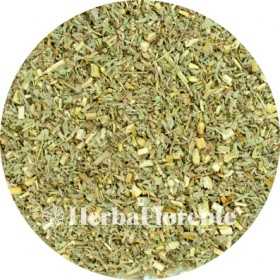
Wormwood Herb - Artemisia absinthium - Cut
Absinthe wormwood (Artemisia absinthium) is a plant from the composite family (Asteraceae). This species is on the Dutch Red List of plants as quite rare and moderately reduced in numbers. It is a perennial plant that grows naturally on dry, calcareous, nitrogen-rich and cultivated soils in temperate regions of Europe, Asia and North Africa. The genus name Artemisia is derived from the Greek hunting goddess Artemis.
The bitter extract of these buds is an important ingredient in drinks such as vermouth and classic absinthe. The most important flavorings are absinthine and the menthol-smelling terpene thujone.
The bitter extract of these buds is an important ingredient in drinks such as vermouth and classic absinthe. The most important flavorings are absinthine and the menthol-smelling terpene thujone.
€2.00
From: €2.00
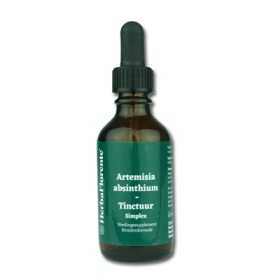
Wormwood Tincture - Artemisia absinthium Tincture
Single herbal tincture made with dried herb of Artemisia absinthium (Wormwood).
Wormwood (Artemisia absinthium) is a plant in the Asteraceae family. This species is listed on the Dutch Red List of Plants as relatively rare and moderately declining. It is a perennial plant that grows naturally in dry, calcareous, nitrogen-rich, and cultivated soils in temperate regions of Europe, Asia, and North Africa. The genus name Artemisia is derived from the Greek goddess of hunting, Artemis.
Wormwood (Artemisia absinthium) is a plant in the Asteraceae family. This species is listed on the Dutch Red List of Plants as relatively rare and moderately declining. It is a perennial plant that grows naturally in dry, calcareous, nitrogen-rich, and cultivated soils in temperate regions of Europe, Asia, and North Africa. The genus name Artemisia is derived from the Greek goddess of hunting, Artemis.
€10.95
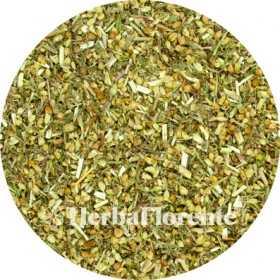
Yarrow - Achillea millefolii
Yarrow (Achillea millefolium) is a herbaceous plant in the daisy family (Asteraceae). It is a hardy perennial species common in the Netherlands and other parts of Europe. The plant is recognizable by its finely divided, feathery leaves and small flower heads, which are usually white but sometimes have a light pink tinge.
Yarrow has a long history and has been described in botanical and historical sources for centuries. The plant is named after the Greek hero Achilles, who, according to tradition, used yarrow, contributing to the herb's fame in classical antiquity.
Yarrow has a long history and has been described in botanical and historical sources for centuries. The plant is named after the Greek hero Achilles, who, according to tradition, used yarrow, contributing to the herb's fame in classical antiquity.
€2.00
From: €2.00
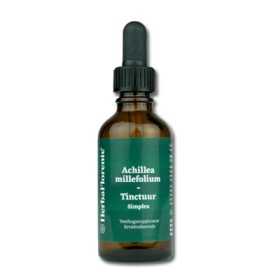
Yarrow Tincture - Achillea millefolium Tincture
Single herbal tincture made with dried herb of Achillea millefolium (Yarrow).
Yarrow (Achillea millefolium) is a herbaceous plant in the daisy family (Asteraceae). It is a hardy perennial species common in the Netherlands and other parts of Europe. The plant is recognizable by its finely divided, feathery leaves and small flower heads, which are usually white but sometimes have a light pink tinge.
Yarrow has a long history and has been described in botanical and historical sources for centuries. The plant is named after the Greek hero Achilles, who, according to tradition, used yarrow, contributing to the herb's fame in classical antiquity.
Yarrow (Achillea millefolium) is a herbaceous plant in the daisy family (Asteraceae). It is a hardy perennial species common in the Netherlands and other parts of Europe. The plant is recognizable by its finely divided, feathery leaves and small flower heads, which are usually white but sometimes have a light pink tinge.
Yarrow has a long history and has been described in botanical and historical sources for centuries. The plant is named after the Greek hero Achilles, who, according to tradition, used yarrow, contributing to the herb's fame in classical antiquity.
€11.95
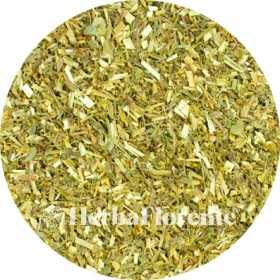
Yellow Sweet Slover - Melilotus officinalis
The Yellow Sweet Slover (Melilotus officinalis) is a biennial or perennial plant from the legume family (Leguminosae). Originally from Southern Europe, this plant has now spread worldwide. It is a slender, hairless plant that is frequently found along roads and on arable land, and is also found in dune areas. The lemon yellow honey clover reaches a height of 30 to 150 cm and blooms from July to October.
€2.00
From: €2.00