



Trending
€57.50
€62.50

€35.95
€62.50
€62.50
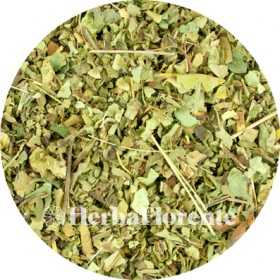
Lungwort - Pulmonaria officinalis
€5.91 €6.95 -15%
Echinacea (Red Coneflower) - 350 mg
€15.96 €19.95 -20%
Menstruation
There are 151 products.
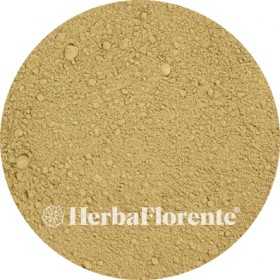
Kelp - Laminariales
Kelp, a member of the brown algae (Laminariales) family, thrives in the cold waters of the major oceans. This large species of seaweed is an excellent source of iodine, an essential element for healthy thyroid function in humans.
In Asia, especially Japan, seaweed has been an integral part of the daily diet for centuries. A well-known kelp species is kombu (Laminaria japonica), which is often cooked with rice for sushi. In addition to being one of the largest plants in the world, kelp is known for growing extremely quickly, sometimes up to three meters per day.
In Asia, especially Japan, seaweed has been an integral part of the daily diet for centuries. A well-known kelp species is kombu (Laminaria japonica), which is often cooked with rice for sushi. In addition to being one of the largest plants in the world, kelp is known for growing extremely quickly, sometimes up to three meters per day.
€2.70
From: €2.70
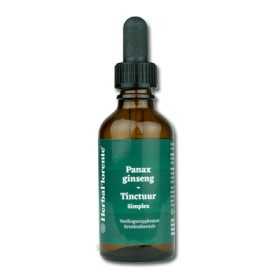
Korean ginseng Tincture - Panax ginseng Tincture
Single herbal tincture made with dried root of Panax ginseng (Korean ginseng).
Panax ginseng is a plant with a slow-growing, sturdy root and belongs to the Araliaceae family. It is one of the most well-known plants in traditional Chinese medicine and has been used in Asia for thousands of years.
The name "Panax" comes from the Greek word for "all-healer," referring to the plant's historical reputation in traditional medicine. Panax ginseng contains unique compounds called ginsenosides, which are found only in this plant.
Panax ginseng is a plant with a slow-growing, sturdy root and belongs to the Araliaceae family. It is one of the most well-known plants in traditional Chinese medicine and has been used in Asia for thousands of years.
The name "Panax" comes from the Greek word for "all-healer," referring to the plant's historical reputation in traditional medicine. Panax ginseng contains unique compounds called ginsenosides, which are found only in this plant.
€14.95
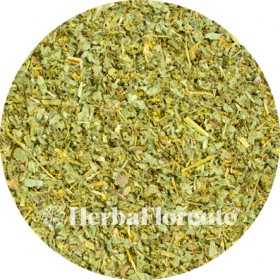
Lady's Mantle - Alchemilla vulgaris
Lady's mantle (Alchemilla vulgaris) belongs to a genus of approximately one thousand species of perennial herbaceous and shrubby plants within the rose family (Rosaceae). The plant is primarily found in Europe and Asia, with some species in mountainous regions of Africa and North and South America. It prefers to grow in damp and disturbed places, such as forest edges, wet grasslands, and roadsides.
€2.50
From: €2.50
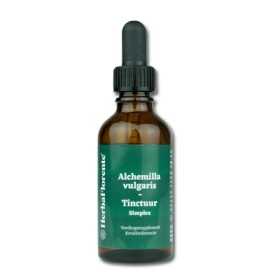
Lady's Mantle Tincture - Alchemilla vulgaris Tincture
Single herbal tincture made with dried herb of Alchemilla vulgaris (Lady's Mantle).
Lady's mantle (Alchemilla vulgaris) belongs to a genus of approximately one thousand species of perennial herbaceous and shrubby plants within the rose family (Rosaceae). The plant is primarily found in Europe and Asia, with some species in mountainous regions of Africa and North and South America. It prefers to grow in damp and disturbed places, such as forest edges, wet grasslands, and roadsides.
Lady's mantle (Alchemilla vulgaris) belongs to a genus of approximately one thousand species of perennial herbaceous and shrubby plants within the rose family (Rosaceae). The plant is primarily found in Europe and Asia, with some species in mountainous regions of Africa and North and South America. It prefers to grow in damp and disturbed places, such as forest edges, wet grasslands, and roadsides.
€12.95
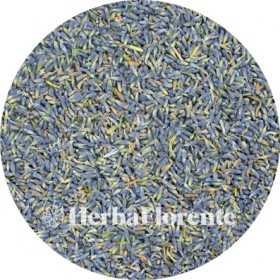
Lavender - Lavendula angustifolia
Lavender (Lavandula) is a genus of aromatic dwarf shrubs belonging to the Lamiaceae family. These plants are especially beloved for their characteristic purple flowers and pleasant fragrance and are widely planted in gardens, borders, and lavender fields.
An important use of lavender is the extraction of lavender oil from the flowering tops. This essential oil is widely used as a fragrance in cosmetic products such as soaps, creams, and perfumes, and also plays a role in aromatic applications.
Lavender also finds its way into the kitchen. The flowers, both fresh and dried, are used as a flavoring and are included in Provençal herb blends, among other things. Lavender can be added to dishes such as cheeses, vegetables, and sweet preparations.
An important use of lavender is the extraction of lavender oil from the flowering tops. This essential oil is widely used as a fragrance in cosmetic products such as soaps, creams, and perfumes, and also plays a role in aromatic applications.
Lavender also finds its way into the kitchen. The flowers, both fresh and dried, are used as a flavoring and are included in Provençal herb blends, among other things. Lavender can be added to dishes such as cheeses, vegetables, and sweet preparations.
€5.00
From: €5.00
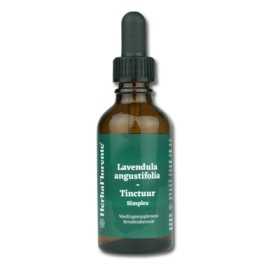
Lavender Tincture - Lavendula angustifolia Tincture
Single herbal tincture made with dried flower of Lavendula angustifolia (Lavender).
Lavender (Lavandula) is a genus of aromatic dwarf shrubs belonging to the Lamiaceae family. These plants are especially beloved for their characteristic purple flowers and pleasant fragrance and are widely planted in gardens, borders, and lavender fields.
An important use of lavender is the extraction of lavender oil from the flowering tops. This essential oil is widely used as a fragrance in cosmetic products such as soaps, creams, and perfumes, and also plays a role in aromatic applications.
Lavender (Lavandula) is a genus of aromatic dwarf shrubs belonging to the Lamiaceae family. These plants are especially beloved for their characteristic purple flowers and pleasant fragrance and are widely planted in gardens, borders, and lavender fields.
An important use of lavender is the extraction of lavender oil from the flowering tops. This essential oil is widely used as a fragrance in cosmetic products such as soaps, creams, and perfumes, and also plays a role in aromatic applications.
€12.95
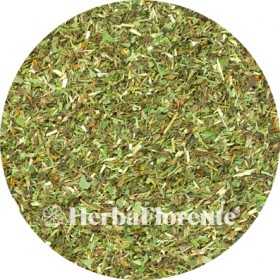
Lemon Balm - Melissa officinalis
Lemon balm (Melissa officinalis) is a perennial plant in the Lamiaceae family and is known for its fresh, lemony scent. The plant is native to Southern Europe but also grows easily in temperate regions such as the Netherlands and Belgium. Thanks to underground rhizomes, lemon balm overwinters easily. The plant typically reaches a height of about 50 centimeters.
Lemon balm has a long history of cultivation and was already documented in ancient times. It is likely that the plant was introduced to Europe by Arab cultures via Spain, after which monasteries played an important role in its further spread and cultivation. Historical sources often mention lemon balm for its aromatic and culinary value.
Lemon balm has a long history of cultivation and was already documented in ancient times. It is likely that the plant was introduced to Europe by Arab cultures via Spain, after which monasteries played an important role in its further spread and cultivation. Historical sources often mention lemon balm for its aromatic and culinary value.
€2.20
From: €2.20
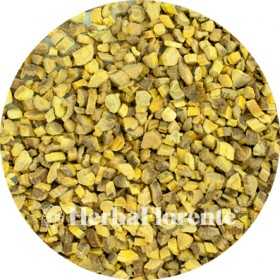
Licorice (Without Bark) - Glycyrrhiza glabra, Liquiritiae
Licorice (Glycyrrhiza glabra) is a versatile herb that has been used for centuries in various traditions, including Ayurvedic culture. The plant is cultivated in various parts of the world, such as Europe, Asia, and the Middle East, and can also grow in the Netherlands. The roots take three to four years to mature before they can be harvested.
Besides the roots, licorice leaves are also used, for example, in making tea. Licorice is known for its characteristic sweet flavor, which is due in part to the natural substance glycyrrhizin. It is widely used in foods and herbal preparations.
Besides the roots, licorice leaves are also used, for example, in making tea. Licorice is known for its characteristic sweet flavor, which is due in part to the natural substance glycyrrhizin. It is widely used in foods and herbal preparations.
€2.25
From: €2.25
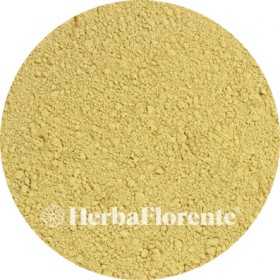
Licorice - Glycyrrhiza glabra, Liquiritiae
Licorice (Glycyrrhiza glabra) is a versatile herb that has been used for centuries in various traditions, including Ayurvedic culture. The plant is cultivated in various parts of the world, such as Europe, Asia, and the Middle East, and can also grow in the Netherlands. The roots take three to four years to mature before they can be harvested.
Besides the roots, licorice leaves are also used, for example, in making tea. Licorice is known for its characteristic sweet flavor, which is due in part to the natural substance glycyrrhizin. It is widely used in foods and herbal preparations.
Besides the roots, licorice leaves are also used, for example, in making tea. Licorice is known for its characteristic sweet flavor, which is due in part to the natural substance glycyrrhizin. It is widely used in foods and herbal preparations.
€2.40
From: €2.40
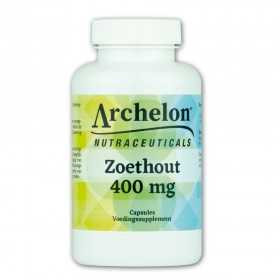
Licorice Root - 400 mg
Licorice (Glycyrrhiza glabra) is a versatile herb traditionally used in various traditional healing methods, including Ayurvedic medicine. It is cultivated worldwide, including in Europe, Asia, and the Middle East, and is a hardy plant that can also grow in the Netherlands. The roots of the plant take three to four years to mature before they can be harvested. Licorice is used in culinary applications as well as in dietary supplements and pharmaceuticals for its natural sweetness. This sweetness is due to the substance glycyrrhizin, which is naturally present in the roots. The leaves can also be used, for example, to make tea.
€17.95
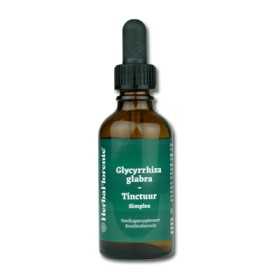
Licorice Tincture - Glycyrrhiza glabra Tincture
Single herbal tincture made with dried root of Glycyrrhiza glabra (Licorice).
Licorice (Glycyrrhiza glabra) is a versatile herb that has been used for centuries in various traditions, including Ayurvedic culture. The plant is cultivated in various parts of the world, such as Europe, Asia, and the Middle East, and can also grow in the Netherlands. The roots take three to four years to mature before they can be harvested.
Besides the roots, licorice leaves are also used, for example, in making tea. Licorice is known for its characteristic sweet flavor, which is due in part to the natural substance glycyrrhizin. It is widely used in foods and herbal preparations.
Licorice (Glycyrrhiza glabra) is a versatile herb that has been used for centuries in various traditions, including Ayurvedic culture. The plant is cultivated in various parts of the world, such as Europe, Asia, and the Middle East, and can also grow in the Netherlands. The roots take three to four years to mature before they can be harvested.
Besides the roots, licorice leaves are also used, for example, in making tea. Licorice is known for its characteristic sweet flavor, which is due in part to the natural substance glycyrrhizin. It is widely used in foods and herbal preparations.
€9.95
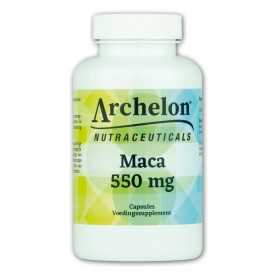
Maca - 550 mg
Maca (Lepidium meyenii) is a herbaceous biennial plant that grows naturally in the central Andes of Peru, at altitudes of over 4,000 meters. The plant is best known for its tuber, which has been harvested and used as a food source by local people for centuries.
The maca tuber naturally contains various nutrients, including vitamins, minerals, and other plant compounds. This composition makes maca suitable for supplementing the diet via capsules, powders, or extracts. Maca is used in supplements to support the easy absorption of these plant compounds into the daily diet.
The maca tuber naturally contains various nutrients, including vitamins, minerals, and other plant compounds. This composition makes maca suitable for supplementing the diet via capsules, powders, or extracts. Maca is used in supplements to support the easy absorption of these plant compounds into the daily diet.
€21.95
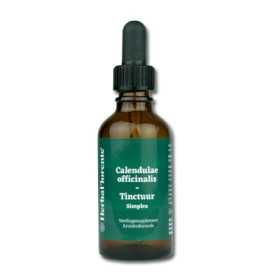
Marigold Tincture - Calendulae officinalis Tincture
Single herbal tincture made with dried flower of Calendulae officinalis (marigold).
The marigold, or Calendula officinalis, belongs to the Asteraceae family (Compositae) and is often cultivated in ornamental gardens. It originates from Southern Europe.
It is an annual plant with usually orange flowers, sometimes yellow, that can reach a height of 30–45 cm. The flowering period runs from May to November, and the fruits are often curved and boat-shaped.
Both fresh and dried flowers can be used in soups and as a natural coloring for cheese, butter, and other foods. Historically, the petals were also used to simulate saffron.
In addition, marigold petals are used in products such as ointments and tinctures. The flowers contain essential oils that are used in the processing of these products.
The marigold, or Calendula officinalis, belongs to the Asteraceae family (Compositae) and is often cultivated in ornamental gardens. It originates from Southern Europe.
It is an annual plant with usually orange flowers, sometimes yellow, that can reach a height of 30–45 cm. The flowering period runs from May to November, and the fruits are often curved and boat-shaped.
Both fresh and dried flowers can be used in soups and as a natural coloring for cheese, butter, and other foods. Historically, the petals were also used to simulate saffron.
In addition, marigold petals are used in products such as ointments and tinctures. The flowers contain essential oils that are used in the processing of these products.
€9.95
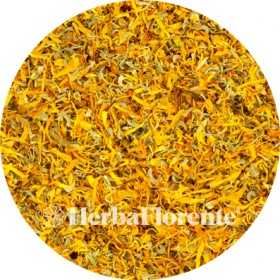
Marygold (Calendula) - Calendulae officinalis
The marigold, or Calendula officinalis, belongs to the Asteraceae family (Compositae) and is often cultivated in ornamental gardens. It originates from Southern Europe.
It is an annual plant with usually orange flowers, sometimes yellow, that can reach a height of 30–45 cm. The flowering period runs from May to November, and the fruits are often curved and boat-shaped.
Both fresh and dried flowers can be used in soups and as a natural coloring for cheese, butter, and other foods. Historically, the petals were also used to simulate saffron.
In addition, marigold petals are used in products such as ointments and tinctures. The flowers contain essential oils that are used in the processing of these products.
It is an annual plant with usually orange flowers, sometimes yellow, that can reach a height of 30–45 cm. The flowering period runs from May to November, and the fruits are often curved and boat-shaped.
Both fresh and dried flowers can be used in soups and as a natural coloring for cheese, butter, and other foods. Historically, the petals were also used to simulate saffron.
In addition, marigold petals are used in products such as ointments and tinctures. The flowers contain essential oils that are used in the processing of these products.
€2.60
From: €2.60
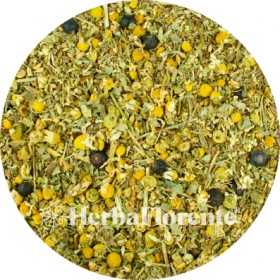
Menstrual Cramp Herbal Tea
Herbal tea composed of various herbs
€3.95
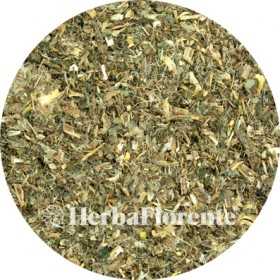
Milk Thistle (Herb) - Sylibum marianum, Cardui Mariae - Cut
Milk thistle (Silybum marianum), also known as milk thistle, is a spiny plant in the Asteraceae family. It originates in the Mediterranean region, but also grows in temperate regions such as the Netherlands and Belgium.
The plant is known for its striking, white-flecked leaves and purple flower heads. Milk thistle seeds contain natural compounds, including silymarin, a group of bioactive compounds considered antioxidants. Because of this composition, milk thistle is traditionally used in various food and herbal products.
The plant is known for its striking, white-flecked leaves and purple flower heads. Milk thistle seeds contain natural compounds, including silymarin, a group of bioactive compounds considered antioxidants. Because of this composition, milk thistle is traditionally used in various food and herbal products.
€2.20
From: €2.20
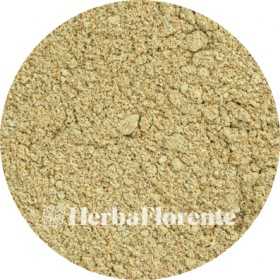
Milk Thistle (Seed) - Sylibum marianum, Cardui Mariae
Milk thistle (Silybum marianum), also known as milk thistle, is a spiny plant in the Asteraceae family. It originates in the Mediterranean region, but also grows in temperate regions such as the Netherlands and Belgium.
The plant is known for its striking, white-flecked leaves and purple flower heads. Milk thistle seeds contain natural compounds, including silymarin, a group of bioactive compounds considered antioxidants. Because of this composition, milk thistle is traditionally used in various food and herbal products.
The plant is known for its striking, white-flecked leaves and purple flower heads. Milk thistle seeds contain natural compounds, including silymarin, a group of bioactive compounds considered antioxidants. Because of this composition, milk thistle is traditionally used in various food and herbal products.
€2.00
From: €2.00
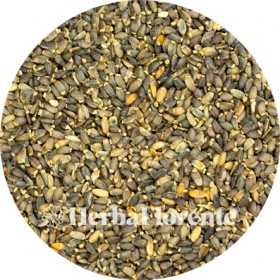
Milk Thistle (Seed) - Sylibum marianum, Cardui Mariae - Whole
Milk thistle (Silybum marianum), also known as milk thistle, is a spiny plant in the Asteraceae family. It originates in the Mediterranean region, but also grows in temperate regions such as the Netherlands and Belgium.
The plant is known for its striking, white-flecked leaves and purple flower heads. Milk thistle seeds contain natural compounds, including silymarin, a group of bioactive compounds considered antioxidants. Because of this composition, milk thistle is traditionally used in various food and herbal products.
The plant is known for its striking, white-flecked leaves and purple flower heads. Milk thistle seeds contain natural compounds, including silymarin, a group of bioactive compounds considered antioxidants. Because of this composition, milk thistle is traditionally used in various food and herbal products.
€2.00
From: €2.00
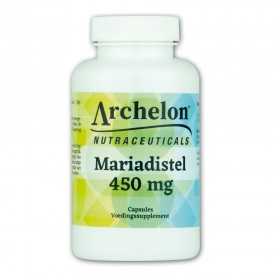
Milk Thistle - 450 mg
Milk thistle (Silybum marianum), also known as milk thistle, is a spiny plant from the Asteraceae family that is native to the Mediterranean region but also grows in other parts of Europe. The plant is best known for its characteristic purple-pink flowers and spotted leaves.
The seeds of the milk thistle are primarily used for supplements. These seeds naturally contain silymarin, a complex of flavonolignans found naturally in this plant. Silymarin is a plant compound often used in dietary supplements based on herbal extracts.
The seeds of the milk thistle are primarily used for supplements. These seeds naturally contain silymarin, a complex of flavonolignans found naturally in this plant. Silymarin is a plant compound often used in dietary supplements based on herbal extracts.
€17.95
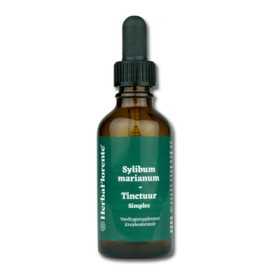
Milk Thistle Tincture - Sylibum marianum (Cardui Mariae) Tincture
Single herbal tincture made with dried seed of Sylibum marianum (Cardui Mariae) (Milk thistle).
Milk thistle, also known as milk thistle, is a spiny plant in the Asteraceae family. It originates in the Mediterranean region, but also grows in temperate regions such as the Netherlands and Belgium.
The plant is known for its striking, white-flecked leaves and purple flower heads. Milk thistle seeds contain natural compounds, including silymarin, a group of bioactive compounds considered antioxidants. Because of this composition, milk thistle is traditionally used in various food and herbal products.
Milk thistle, also known as milk thistle, is a spiny plant in the Asteraceae family. It originates in the Mediterranean region, but also grows in temperate regions such as the Netherlands and Belgium.
The plant is known for its striking, white-flecked leaves and purple flower heads. Milk thistle seeds contain natural compounds, including silymarin, a group of bioactive compounds considered antioxidants. Because of this composition, milk thistle is traditionally used in various food and herbal products.
€9.95
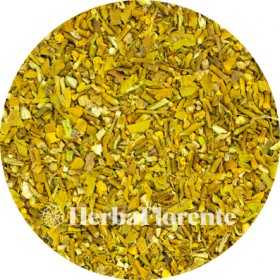
Mistletoe - Viscum alba
Mistletoe (Viscum album) is an evergreen plant belonging to the sandalwood family (Santalaceae). It is also known by common names such as mistletoe, mistletoe, and birdlime. Mistletoe is native to Europe, Northwest Africa, and West and Central Asia. It is a semi-parasitic plant that grows on various types of trees and shrubs, where it extracts water and minerals while photosynthesizing.
Throughout the centuries, mistletoe has become deeply intertwined with legends, rituals, and symbolism. Druids considered mistletoe growing on an oak tree sacred and associated it with the new year, fertility, and prosperity.
Throughout the centuries, mistletoe has become deeply intertwined with legends, rituals, and symbolism. Druids considered mistletoe growing on an oak tree sacred and associated it with the new year, fertility, and prosperity.
€2.00
From: €2.00
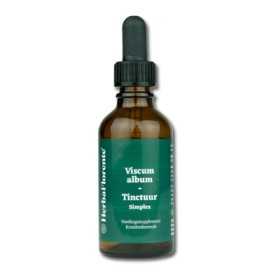
Mistletoe Tincture - Viscum album Tincture
Single herbal tincture made with dried herb of Viscum album (Mistletoe).
Mistletoe (Viscum album) is an evergreen plant belonging to the sandalwood family (Santalaceae). It is also known by common names such as mistletoe, mistletoe, and birdlime. Mistletoe is native to Europe, Northwest Africa, and West and Central Asia. It is a semi-parasitic plant that grows on various types of trees and shrubs, where it extracts water and minerals while photosynthesizing.
Mistletoe (Viscum album) is an evergreen plant belonging to the sandalwood family (Santalaceae). It is also known by common names such as mistletoe, mistletoe, and birdlime. Mistletoe is native to Europe, Northwest Africa, and West and Central Asia. It is a semi-parasitic plant that grows on various types of trees and shrubs, where it extracts water and minerals while photosynthesizing.
€9.95
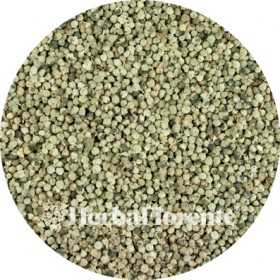
Monk's Pepper - Vitex agnus castus
Chasteberry (Vitex agnus castus L.), also known as chaste tree berries, is a plant native to the Mediterranean region. The name "chasteberry" refers to its historical use by monks, who used the herb for its supposed effects on physical desire.
Today, chasteberry is widely used in herbal products and supplements. The plant's fruits contain various plant compounds, including flavonoids and iridoids, which give the herb its unique properties. Chasteberry is popular in traditional herbalism and is valued for its long history of use.
Today, chasteberry is widely used in herbal products and supplements. The plant's fruits contain various plant compounds, including flavonoids and iridoids, which give the herb its unique properties. Chasteberry is popular in traditional herbalism and is valued for its long history of use.
€2.00
From: €2.00
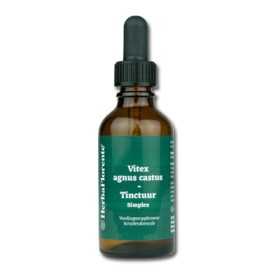
Monk's Pepper Tincture - Vitex agnus castus Tincture
Single herbal tincture made with dried seed of Vitex agnus castus (Monk's Pepper).
Chasteberry (Vitex agnus castus L.), also known as chaste tree berries, is a plant native to the Mediterranean region. The name "chasteberry" refers to its historical use by monks, who used the herb for its supposed effects on physical desire.
Today, chasteberry is widely used in herbal products and supplements. The plant's fruits contain various plant compounds, including flavonoids and iridoids, which give the herb its unique properties. Chasteberry is popular in traditional herbalism and is valued for its long history of use.
Chasteberry (Vitex agnus castus L.), also known as chaste tree berries, is a plant native to the Mediterranean region. The name "chasteberry" refers to its historical use by monks, who used the herb for its supposed effects on physical desire.
Today, chasteberry is widely used in herbal products and supplements. The plant's fruits contain various plant compounds, including flavonoids and iridoids, which give the herb its unique properties. Chasteberry is popular in traditional herbalism and is valued for its long history of use.
€9.95