



Trending
€57.50
€62.50

€35.95
€62.50
€62.50
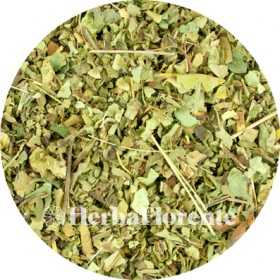
Lungwort - Pulmonaria officinalis
€5.91 €6.95 -15%
Echinacea (Red Coneflower) - 350 mg
€15.96 €19.95 -20%
Menstruation
There are 151 products.
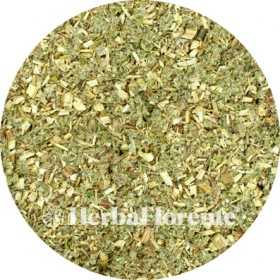
Mugwort - Artemisiae vulgaris - Cut
Mugwort (Artemisia vulgaris) is a plant in the Asteraceae family and is closely related to wormwood. It is a weakly aromatic plant with deeply incised leaves that are white and felt-like hairy on the underside. The stem can reach a length of approximately 60 to 120 centimeters and often exhibits a reddish discoloration.
Mugwort is common in the Netherlands and Belgium. The plant grows primarily in fallow land, along roads, and on other disturbed soil types. Mugwort thrives best in sandy soils and is known for its strong adaptability.
Mugwort is common in the Netherlands and Belgium. The plant grows primarily in fallow land, along roads, and on other disturbed soil types. Mugwort thrives best in sandy soils and is known for its strong adaptability.
€2.00
From: €2.00
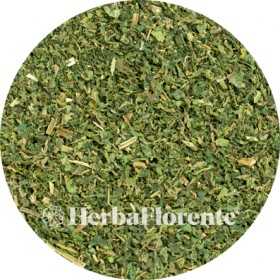
Nettle (Herb) - Urticae dioica
Nettle (Urtica dioica) is a herbaceous plant found in many places and known for its stinging hairs when touched. Despite this characteristic, the plant has long been valued and used in various cultures. Nettle is used in culinary preparations such as soup and herbal tea.
The plant is native to large parts of Europe, Asia, and Africa. The Latin name Urtica dioica refers to the plant's stinging properties. Historical and botanical sources describe both the leaves and the roots as being traditionally collected and processed.
Both nettle leaf and root hold a firm place in herbal tradition. Due to their natural composition and long history, these parts of the plant have been mentioned for centuries in ethnobotanical and historical accounts.
The plant is native to large parts of Europe, Asia, and Africa. The Latin name Urtica dioica refers to the plant's stinging properties. Historical and botanical sources describe both the leaves and the roots as being traditionally collected and processed.
Both nettle leaf and root hold a firm place in herbal tradition. Due to their natural composition and long history, these parts of the plant have been mentioned for centuries in ethnobotanical and historical accounts.
€2.00
From: €2.00
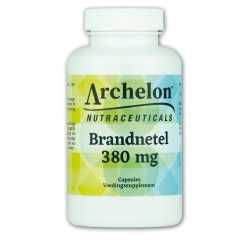
Nettle - 380 mg
Nettle is a versatile plant that has been used for centuries in European herbal traditions. Both the leaves and the roots are used in herbal preparations. Nettle is valued for its wide range of uses and natural composition, making it a suitable addition to a varied and balanced diet. The plant is also widely used in teas and culinary applications, such as soups.
€17.95
Nettle - Urticae dioica
Nettle (Urtica dioica) is a herbaceous plant found in many places and known for its stinging hairs when touched. Despite this characteristic, the plant has long been valued and used in various cultures. Nettle is used in culinary preparations such as soup and herbal tea.
The plant is native to large parts of Europe, Asia, and Africa. The Latin name Urtica dioica refers to the plant's stinging properties. Historical and botanical sources describe both the leaves and the roots as being traditionally collected and processed.
Both nettle leaf and root hold a firm place in herbal tradition. Due to their natural composition and long history, these parts of the plant have been mentioned for centuries in ethnobotanical and historical accounts.
The plant is native to large parts of Europe, Asia, and Africa. The Latin name Urtica dioica refers to the plant's stinging properties. Historical and botanical sources describe both the leaves and the roots as being traditionally collected and processed.
Both nettle leaf and root hold a firm place in herbal tradition. Due to their natural composition and long history, these parts of the plant have been mentioned for centuries in ethnobotanical and historical accounts.
€2.40
From: €2.40
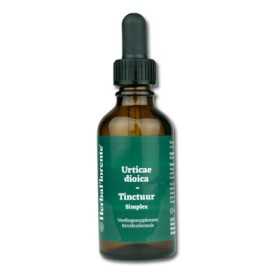
Nettle Tincture - Urticae dioica Tincture
Single herbal tincture made with dried herb of Urticae dioica (Nettle).
The stinging nettle (Urtica dioica) is a herbaceous plant found in many places and known for its stinging hairs, which cause a tingling sensation when touched. Despite this characteristic, the plant has been valued and used in various cultures for centuries. It is used in culinary preparations such as soup and herbal tea.
The plant is native to large parts of Europe, Asia, and Africa. The Latin name Urtica dioica refers to the plant's pungent nature. Historical and botanical sources describe both the leaves and roots as being traditionally collected and processed.
The stinging nettle (Urtica dioica) is a herbaceous plant found in many places and known for its stinging hairs, which cause a tingling sensation when touched. Despite this characteristic, the plant has been valued and used in various cultures for centuries. It is used in culinary preparations such as soup and herbal tea.
The plant is native to large parts of Europe, Asia, and Africa. The Latin name Urtica dioica refers to the plant's pungent nature. Historical and botanical sources describe both the leaves and roots as being traditionally collected and processed.
€10.95
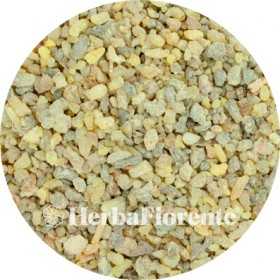
Olibanum Idian - Boswelia serrata
Iceland moss (Cetraria islandica), also known by the basic name Lichen islandicus, is a shrubby lichen belonging to the Parmeliaceae family (shell mosses). The species is native to cold and mountainous regions and is extremely rare in the Netherlands. For this reason, Iceland moss is listed on the Dutch Red List as critically endangered.
Iceland moss has a long cultural and historical background. Botanical and historical sources from the 17th century describe the lichen as part of the botanical knowledge of the time. During that period, the lichen was collected whole and used in traditional practices. These uses are part of historical and folklore.
Iceland moss has a long cultural and historical background. Botanical and historical sources from the 17th century describe the lichen as part of the botanical knowledge of the time. During that period, the lichen was collected whole and used in traditional practices. These uses are part of historical and folklore.
€2.80
From: €2.80
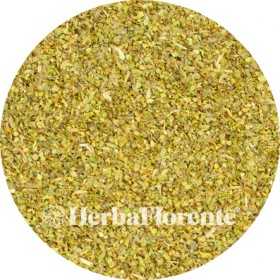
Oregano - Origani vulgaris
Oregano (Origanum vulgare), also known as wild marjoram, is an aromatic herb that has been used for thousands of years in various cuisines and cultures. The herb belongs to the Lamiaceae family, which also includes rosemary, thyme, and mint.
Oregano naturally contains several plant compounds, including carvacrol, which is responsible for its characteristic spicy and slightly bitter flavor. This compound contributes to oregano's distinct aroma.
The most aromatic oregano grows naturally in Mediterranean mountain regions on calcareous soils. Wild oregano blooms in spring, after which it is traditionally harvested. Thanks to its flavor and composition, oregano is widely used in culinary applications and herbal teas.
Oregano naturally contains several plant compounds, including carvacrol, which is responsible for its characteristic spicy and slightly bitter flavor. This compound contributes to oregano's distinct aroma.
The most aromatic oregano grows naturally in Mediterranean mountain regions on calcareous soils. Wild oregano blooms in spring, after which it is traditionally harvested. Thanks to its flavor and composition, oregano is widely used in culinary applications and herbal teas.
€2.80
From: €2.80
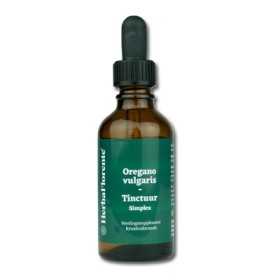
Oregano Tincture - Oregano vulgaris Tincture
Single herbal tincture made with dried herb of Oregano vulgaris (Oregano).
Oregano (Origanum vulgare), also known as wild marjoram, is an aromatic herb that has been used for thousands of years in various cuisines and cultures. The herb belongs to the Lamiaceae family, which also includes rosemary, thyme, and mint.
Oregano naturally contains several plant compounds, including carvacrol, which is responsible for its characteristic spicy and slightly bitter flavor. This compound contributes to oregano's distinct aroma.
The most aromatic oregano grows naturally in Mediterranean mountain regions on calcareous soils. Wild oregano blooms in spring, after which it is traditionally harvested.
Oregano (Origanum vulgare), also known as wild marjoram, is an aromatic herb that has been used for thousands of years in various cuisines and cultures. The herb belongs to the Lamiaceae family, which also includes rosemary, thyme, and mint.
Oregano naturally contains several plant compounds, including carvacrol, which is responsible for its characteristic spicy and slightly bitter flavor. This compound contributes to oregano's distinct aroma.
The most aromatic oregano grows naturally in Mediterranean mountain regions on calcareous soils. Wild oregano blooms in spring, after which it is traditionally harvested.
€10.95
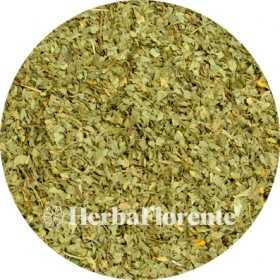
Parsley - Petroselini - Cut
Parsley (Petroselinum crispum) is a biennial, hardy herbaceous plant from the Apiaceae family. The herb is widely used in European, American, and Middle Eastern cuisine for its fresh, aromatic flavor.
In ancient times, parsley had symbolic meaning. For the ancient Greeks, the herb symbolized joy and was frequently used in rituals and traditions. The Romans spread the use of parsley throughout Western Europe. In the Middle Ages, parsley was eaten and cultivated as both an herb and a vegetable, including in the gardens of Charlemagne.
For culinary use, the leaves are primarily used, preferably just before serving. Parsley is often combined with garlic in herb butter, used in salads, and incorporated into a variety of dishes. The seeds can also be ground and used as a spice.
In ancient times, parsley had symbolic meaning. For the ancient Greeks, the herb symbolized joy and was frequently used in rituals and traditions. The Romans spread the use of parsley throughout Western Europe. In the Middle Ages, parsley was eaten and cultivated as both an herb and a vegetable, including in the gardens of Charlemagne.
For culinary use, the leaves are primarily used, preferably just before serving. Parsley is often combined with garlic in herb butter, used in salads, and incorporated into a variety of dishes. The seeds can also be ground and used as a spice.
€2.20
From: €2.20
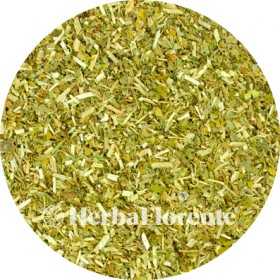
Passionflower - Passiflora incarnata
Passionflower (Passiflora incarnata) is a plant native to Central and North America. Various parts of the plant have long been used in diverse cultures. Today, passionflower is also found in other parts of the world.
The striking flowers of Passiflora incarnata are edible and prized for their distinctive appearance. In autumn, the plant produces fruit, and the leaves are also edible. These leaves naturally contain various plant compounds, including tannins, flavanols, saponins, and choline, as well as minerals such as magnesium.
Passionflower is traditionally used in herbal cultures and is often incorporated into herbal teas and other herbal preparations.
The striking flowers of Passiflora incarnata are edible and prized for their distinctive appearance. In autumn, the plant produces fruit, and the leaves are also edible. These leaves naturally contain various plant compounds, including tannins, flavanols, saponins, and choline, as well as minerals such as magnesium.
Passionflower is traditionally used in herbal cultures and is often incorporated into herbal teas and other herbal preparations.
€2.60
From: €2.60
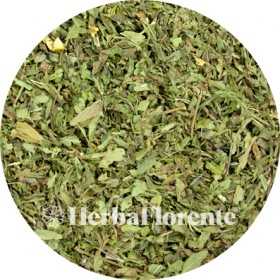
Peppermint - Menthae piperita
Peppermint oil is extracted from the leaves of the peppermint plant (Mentha piperita), a cross between water mint (Mentha aquatica) and spearmint (Mentha spicata). Peppermint belongs to the Lamiaceae family, which also includes other aromatic herbs such as basil and rosemary.
The plant was recognized as a distinct species in England in the 17th century and has been widely cultivated ever since. Peppermint naturally contains several essential oils, including menthol, menthone, and cineole, which together contribute to its characteristic fresh scent and flavor.
Peppermint oil is used as an ingredient in a variety of products, such as peppermint candy, flavorings, and herbal preparations. The leaves of the peppermint plant are also traditionally made into tea.
The plant was recognized as a distinct species in England in the 17th century and has been widely cultivated ever since. Peppermint naturally contains several essential oils, including menthol, menthone, and cineole, which together contribute to its characteristic fresh scent and flavor.
Peppermint oil is used as an ingredient in a variety of products, such as peppermint candy, flavorings, and herbal preparations. The leaves of the peppermint plant are also traditionally made into tea.
€2.00
From: €2.00
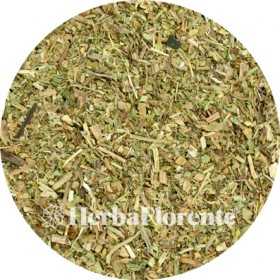
Plantain Broadleaf - Plantaginis major
The Plantain Broadleaf (Plantago major) is a plant belonging to the plantain family (Plantaginaceae) and varies in size from 10 to 50 cm. It forms a dense leaf rosette that is resistant to foot traffic, which is why it is often considered a weed. This plant species is common in gardens, along roads and paths, and is sometimes derisively called the "white man's footprint". Nevertheless, there is a cultivated variety known as Plantago major 'Rosularis'.
€2.00
From: €2.00
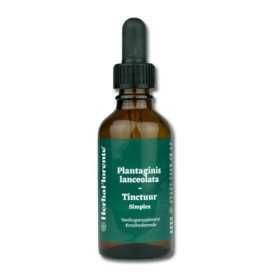
Plantain Narrow Tincture - Plantago lanceolata Tincture
Single herbal tincture made with dried herb of Plantaginis (Plantago) lanceolata (Plantain Narrow).
Ribwort plantain (Plantago lanceolata) is a native plant found in Europe, parts of Asia, North Africa, and North America. It prefers moist, sandy soil and can be found in grasslands, along roads and railways, and even between paving stones.
Ribwort plantain can reach a height of about 75 centimeters and has long, narrow leaves. Starting in May, the plant blooms with light green flower spikes bearing striking white stamens.
Ribwort plantain (Plantago lanceolata) is a native plant found in Europe, parts of Asia, North Africa, and North America. It prefers moist, sandy soil and can be found in grasslands, along roads and railways, and even between paving stones.
Ribwort plantain can reach a height of about 75 centimeters and has long, narrow leaves. Starting in May, the plant blooms with light green flower spikes bearing striking white stamens.
€9.95
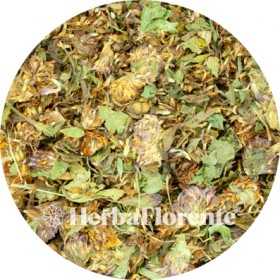
Red Clover (Flower) - Trifolii Rubr. pratense - Whole
Red clover (Trifolium pratense) is a plant native to Europe and Central Asia. It is characterized by its compound leaves, which usually consist of three leaflets, and its light purple flower heads.
Red clover flower heads naturally contain various plant compounds, including isoflavones. Isoflavones belong to the polyphenol group and are part of the plant's natural composition. Red clover also contains vitamins such as vitamin C, B1, B2, B3, beta-carotene, and choline.
Red clover has a long history of use in various cultures and is now incorporated into a variety of herbal preparations, such as teas and other plant products.
Red clover flower heads naturally contain various plant compounds, including isoflavones. Isoflavones belong to the polyphenol group and are part of the plant's natural composition. Red clover also contains vitamins such as vitamin C, B1, B2, B3, beta-carotene, and choline.
Red clover has a long history of use in various cultures and is now incorporated into a variety of herbal preparations, such as teas and other plant products.
€3.60
From: €3.60
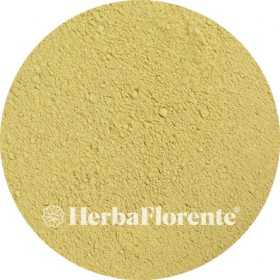
Red Clover - Trifolii Rubr. pratense
Red clover (Trifolium pratense) is a plant native to Europe and Central Asia. It is characterized by its compound leaves, which usually consist of three leaflets, and its light purple flower heads.
Red clover flower heads naturally contain various plant compounds, including isoflavones. Isoflavones belong to the polyphenol group and are part of the plant's natural composition. Red clover also contains vitamins such as vitamin C, B1, B2, B3, beta-carotene, and choline.
Red clover has a long history of use in various cultures and is now incorporated into a variety of herbal preparations, such as teas and other plant products.
Red clover flower heads naturally contain various plant compounds, including isoflavones. Isoflavones belong to the polyphenol group and are part of the plant's natural composition. Red clover also contains vitamins such as vitamin C, B1, B2, B3, beta-carotene, and choline.
Red clover has a long history of use in various cultures and is now incorporated into a variety of herbal preparations, such as teas and other plant products.
€4.20
From: €4.20
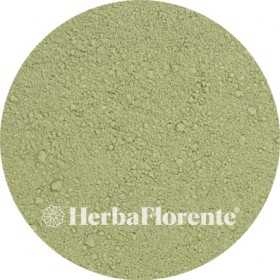
Ribwort Plantain - Plantaginis lanceolata
Ribwort plantain (Plantago lanceolata) is a native plant found in Europe, parts of Asia, North Africa, and North America. It prefers moist, sandy soil and can be found in grasslands, along roads and railways, and even between paving stones.
Ribwort plantain can reach a height of about 75 centimeters and has long, narrow leaves. Starting in May, the plant blooms with light green flower spikes bearing striking white stamens.
The young leaves contain various natural plant compounds, including mucilage, tannins, bitter substances, and flavonoids, as well as minerals such as potassium and zinc. Ribwort plantain has a long history of traditional and folklore uses and is often considered a common wild plant.
Ribwort plantain can reach a height of about 75 centimeters and has long, narrow leaves. Starting in May, the plant blooms with light green flower spikes bearing striking white stamens.
The young leaves contain various natural plant compounds, including mucilage, tannins, bitter substances, and flavonoids, as well as minerals such as potassium and zinc. Ribwort plantain has a long history of traditional and folklore uses and is often considered a common wild plant.
€2.40
From: €2.40
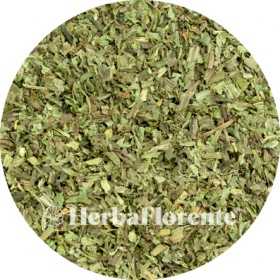
Ribwort Plantain - Plantaginis lanceolata - Cut
Ribwort plantain (Plantago lanceolata) is a native plant found in Europe, parts of Asia, North Africa, and North America. It prefers moist, sandy soil and can be found in grasslands, along roads and railways, and even between paving stones.
Ribwort plantain can reach a height of about 75 centimeters and has long, narrow leaves. Starting in May, the plant blooms with light green flower spikes bearing striking white stamens.
The young leaves contain various natural plant compounds, including mucilage, tannins, bitter substances, and flavonoids, as well as minerals such as potassium and zinc. Ribwort plantain has a long history of traditional and folklore uses and is often considered a common wild plant.
Ribwort plantain can reach a height of about 75 centimeters and has long, narrow leaves. Starting in May, the plant blooms with light green flower spikes bearing striking white stamens.
The young leaves contain various natural plant compounds, including mucilage, tannins, bitter substances, and flavonoids, as well as minerals such as potassium and zinc. Ribwort plantain has a long history of traditional and folklore uses and is often considered a common wild plant.
€2.00
From: €2.00
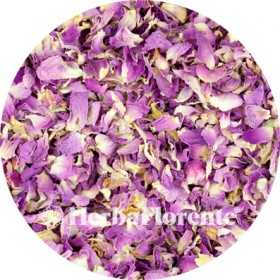
Rose - Rosae damascena
Rosae damascena, also known as the damask rose, is a versatile flower with many names, including the Iranian rose, Bulgarian rose, Taif rose, Ispahan rose and Castile rose.
These flowers are known for their delicate fragrance and are grown commercially for rose oil, both "rose otto" and "rose absolute", which is widely used in perfumery. They are also used to make rose water and "rose concrete". The petals are even edible and are used to flavor dishes, as a garnish, to make herbal tea and to preserve gulkand in sugar. Moreover, the damask rose is the national flower of Iran.
These flowers are known for their delicate fragrance and are grown commercially for rose oil, both "rose otto" and "rose absolute", which is widely used in perfumery. They are also used to make rose water and "rose concrete". The petals are even edible and are used to flavor dishes, as a garnish, to make herbal tea and to preserve gulkand in sugar. Moreover, the damask rose is the national flower of Iran.
€12.50
From: €12.50
Rose Root - Rhodiola rosea
Out-of-Stock
Rhodiola rosea (Rhodiola rosea), also known as "golden root," is a succulent plant that grows naturally in cold, rocky regions around the world. The plant's roots have a distinctive scent reminiscent of roses.
Rhodiola rosea is traditionally used in various cultures and is incorporated into herbal preparations. The root naturally contains several plant compounds, including rosavin and salidroside. These compounds are part of the root's composition and contribute to the herb's characteristic properties.
Rhodiola rosea can be used in herbal teas and other herbal products and is prized for its natural origins and rich composition.
Rhodiola rosea is traditionally used in various cultures and is incorporated into herbal preparations. The root naturally contains several plant compounds, including rosavin and salidroside. These compounds are part of the root's composition and contribute to the herb's characteristic properties.
Rhodiola rosea can be used in herbal teas and other herbal products and is prized for its natural origins and rich composition.
€20.00
From: €20.00
Rosemary - 250 mg
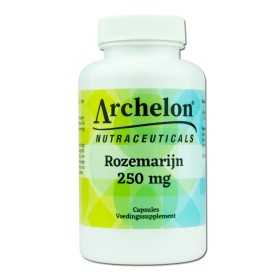
Rosemary (Rosmarinus officinalis L.) is a fragrant, compact shrub from the Lamiaceae family. This versatile herb has been used for centuries in cooking and for various purposes. Native to Mediterranean regions, rosemary blooms in spring with small, lavender-blue flowers.
The name "rosemary" comes from the Latin ros ("dew") and marinus ("sea"), which together mean "dew of the sea." Rosemary contains various natural plant compounds and aromas that contribute to its characteristic scent and flavor. It is used in herb blends, teas, and food products.
The name "rosemary" comes from the Latin ros ("dew") and marinus ("sea"), which together mean "dew of the sea." Rosemary contains various natural plant compounds and aromas that contribute to its characteristic scent and flavor. It is used in herb blends, teas, and food products.
€19.95
Rosemary - Rosmarini officinalis
Rosemary (Rosmarinus officinalis L.) is a fragrant, compact shrub from the Lamiaceae family. Native to the Mediterranean region, it is known for its aromatic leaves and lavender-blue flowers that appear in spring.
The name "rosemary" derives from the Latin: ros meaning "dew" and marinus meaning "sea," together meaning "dew of the sea." Rosemary has been prized for centuries in diverse cultures, from the ancient Greeks to the Romans, and is used in culinary dishes and herbal teas.
Rosemary naturally contains plant compounds, including aromatic oils and antioxidants, which contribute to the herb's characteristic aroma and flavor. It is used in a wide variety of dishes, from meat and fish dishes to sauces and marinades, and is also popular in aromatic oils and spice blends.
The name "rosemary" derives from the Latin: ros meaning "dew" and marinus meaning "sea," together meaning "dew of the sea." Rosemary has been prized for centuries in diverse cultures, from the ancient Greeks to the Romans, and is used in culinary dishes and herbal teas.
Rosemary naturally contains plant compounds, including aromatic oils and antioxidants, which contribute to the herb's characteristic aroma and flavor. It is used in a wide variety of dishes, from meat and fish dishes to sauces and marinades, and is also popular in aromatic oils and spice blends.
€2.00
From: €2.00
Rosemary - Rosmarini officinalis - Cut
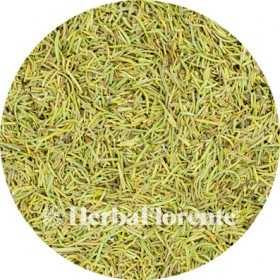
Rosemary (Rosmarinus officinalis L.) is a fragrant, compact shrub from the Lamiaceae family. Native to the Mediterranean region, it is known for its aromatic leaves and lavender-blue flowers that appear in spring.
The name "rosemary" derives from the Latin: ros meaning "dew" and marinus meaning "sea," together meaning "dew of the sea." Rosemary has been prized for centuries in diverse cultures, from the ancient Greeks to the Romans, and is used in culinary dishes and herbal teas.
Rosemary naturally contains plant compounds, including aromatic oils and antioxidants, which contribute to the herb's characteristic aroma and flavor. It is used in a wide variety of dishes, from meat and fish dishes to sauces and marinades, and is also popular in aromatic oils and spice blends.
The name "rosemary" derives from the Latin: ros meaning "dew" and marinus meaning "sea," together meaning "dew of the sea." Rosemary has been prized for centuries in diverse cultures, from the ancient Greeks to the Romans, and is used in culinary dishes and herbal teas.
Rosemary naturally contains plant compounds, including aromatic oils and antioxidants, which contribute to the herb's characteristic aroma and flavor. It is used in a wide variety of dishes, from meat and fish dishes to sauces and marinades, and is also popular in aromatic oils and spice blends.
€2.00
From: €2.00
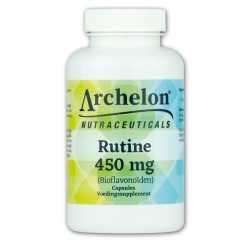
Rutin - 450 mg
Rutin, also known as a flavonoid or bioflavonoid, is a naturally occurring substance in vegetables, fruits, herbs, and plants. It is known for its vibrant pigmentation and can appear in various colors. Rutin plays several important roles in plants, such as regulating growth, protecting against UV radiation, oxidation, and heat, and maintaining the plant's metabolism.
€29.95
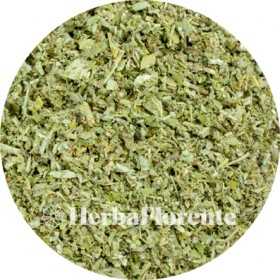
Sage - Salviae officinalis - Cut
Common sage (Salvia officinalis L.) is a well-known herb that has been used for centuries, from China to ancient Rome. Symbolic and magical properties were even attributed to the purple flowers.
Sage belongs to the Lamiaceae family and is prized for its aromatic leaves and characteristic scent. The herb naturally contains various plant compounds, including antioxidants, which contribute to sage's characteristic properties.
Sage is traditionally used in culinary applications, such as sauces, meat dishes, and herbal teas. The leaves can be used fresh or dried and are also popular in aromatic oils and spice blends.
Sage belongs to the Lamiaceae family and is prized for its aromatic leaves and characteristic scent. The herb naturally contains various plant compounds, including antioxidants, which contribute to sage's characteristic properties.
Sage is traditionally used in culinary applications, such as sauces, meat dishes, and herbal teas. The leaves can be used fresh or dried and are also popular in aromatic oils and spice blends.
€2.30
From: €2.30