



Trending
€57.50
€62.50

€35.95
€62.50
€62.50
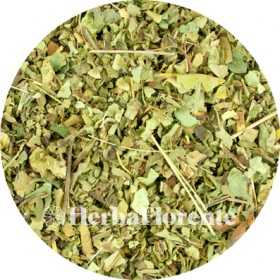
Lungwort - Pulmonaria officinalis
€5.91 €6.95 -15%
Echinacea (Red Coneflower) - 350 mg
€15.96 €19.95 -20%
Menstruation
There are 151 products.
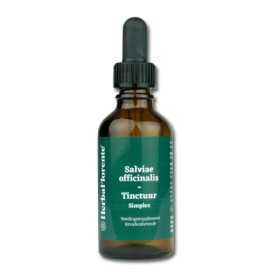
Sage Tincture - Salviae officinalis Tincture
Single herbal tincture made with dried herb of Salviae officinalis (Sage).
Common sage (Salvia officinalis L.) is a well-known herb that has been used for centuries, from China to ancient Rome. Symbolic and magical properties were even attributed to the purple flowers.
Sage belongs to the Lamiaceae family and is prized for its aromatic leaves and characteristic scent. The herb naturally contains various plant compounds, including antioxidants, which contribute to sage's characteristic properties.
Sage is traditionally used in culinary applications, such as sauces, meat dishes, and herbal teas. The leaves can be used fresh or dried and are also popular in aromatic oils and spice blends.
Common sage (Salvia officinalis L.) is a well-known herb that has been used for centuries, from China to ancient Rome. Symbolic and magical properties were even attributed to the purple flowers.
Sage belongs to the Lamiaceae family and is prized for its aromatic leaves and characteristic scent. The herb naturally contains various plant compounds, including antioxidants, which contribute to sage's characteristic properties.
Sage is traditionally used in culinary applications, such as sauces, meat dishes, and herbal teas. The leaves can be used fresh or dried and are also popular in aromatic oils and spice blends.
€11.95
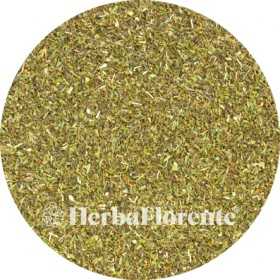
Savory Wort - Satureja hortensis
Savory (Satureja), also known as winter or summer savory, belongs to the Lamiaceae or Labiatae family. The scientific name is derived from the Latin word "satyr."
Historical and Cultural Context
During Roman times, savory was often used in rituals and cultural practices. It was incorporated into wreaths and jewelry and featured in traditional dishes. Historical sources describe it as playing an important role in Roman cuisine.
Culinary Uses
Savory is traditionally used as a seasoning in a variety of dishes. In ancient times, it was used in sauces for fish and meat, stuffings for veal, and in sausages or pork pies. Over the centuries, chefs have developed their own recipes using this aromatic herb.
Historical and Cultural Context
During Roman times, savory was often used in rituals and cultural practices. It was incorporated into wreaths and jewelry and featured in traditional dishes. Historical sources describe it as playing an important role in Roman cuisine.
Culinary Uses
Savory is traditionally used as a seasoning in a variety of dishes. In ancient times, it was used in sauces for fish and meat, stuffings for veal, and in sausages or pork pies. Over the centuries, chefs have developed their own recipes using this aromatic herb.
€2.00
From: €2.00
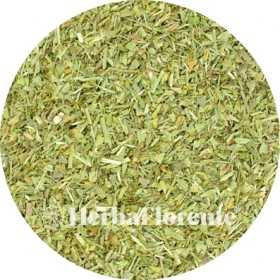
Shepherds Purse - Capsella Bursa postoris
Shepherd's purse (Capsella bursa-pastoris) is a plant in the Brassicaceae family. It is an annual or biennial, upright-growing plant that can reach a height of approximately 5 to 60 centimeters. The plant is winter-hardy and usually has a woody taproot. The sinuously serrated leaves form a rosette around the spindle-shaped root.
Shepherd's purse is common in temperate regions and grows in a variety of locations, such as fields, roadsides, and fallow land. Its distinctive heart-shaped seed pods make the plant easy to identify.
In historical and folklore sources, shepherd's purse is mentioned as part of traditional plant knowledge. The young rosette leaves are also used in culinary dishes. They can be used raw in salads or added to soups and other hot dishes.
Shepherd's purse is common in temperate regions and grows in a variety of locations, such as fields, roadsides, and fallow land. Its distinctive heart-shaped seed pods make the plant easy to identify.
In historical and folklore sources, shepherd's purse is mentioned as part of traditional plant knowledge. The young rosette leaves are also used in culinary dishes. They can be used raw in salads or added to soups and other hot dishes.
€2.00
From: €2.00
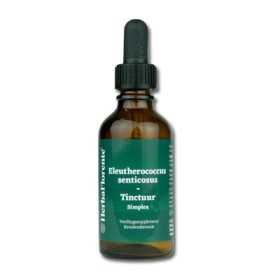
Siberian Ginseng Tincture - Eleutherococcus senticosus Tincture
Single herbal tincture made with dried root of Eleutherococcus senticosus (Siberian ginseng).
Siberian ginseng (Eleutherococcus senticosus) is a shrubby plant native to parts of Russia, China, Korea, and Japan. The plant belongs to the Araliaceae family and is botanically related to, but distinct from, the better-known Panax species such as Korean ginseng (Panax ginseng) and American ginseng (Panax quinquefolius).
The roots of Siberian ginseng have long been mentioned in East Asian and Russian botanical literature. These historical and cultural sources describe the plant as part of traditional practices. This long history of use has also led to Siberian ginseng becoming known beyond its native range.
Siberian ginseng (Eleutherococcus senticosus) is a shrubby plant native to parts of Russia, China, Korea, and Japan. The plant belongs to the Araliaceae family and is botanically related to, but distinct from, the better-known Panax species such as Korean ginseng (Panax ginseng) and American ginseng (Panax quinquefolius).
The roots of Siberian ginseng have long been mentioned in East Asian and Russian botanical literature. These historical and cultural sources describe the plant as part of traditional practices. This long history of use has also led to Siberian ginseng becoming known beyond its native range.
€9.95
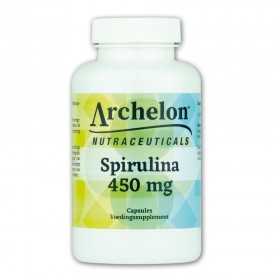
Spirulina - 450 mg
Spirulina is a blue-green, single-celled algae that grows in warm, freshwater. This microscopic algae has spiral-shaped strands and contains natural pigments such as chlorophyll (green) and phycocyanin (blue).
Spirulina naturally contains a broad spectrum of nutrients, including protein, B-complex vitamins, vitamin E, carotenoids, iron, manganese, zinc, and essential fatty acids such as gamma-linolenic acid. It is known as a rich source of beta-carotene and other carotenoids. Spirulina is often included in nutritional supplements and can be included as part of a varied and balanced diet.
Spirulina naturally contains a broad spectrum of nutrients, including protein, B-complex vitamins, vitamin E, carotenoids, iron, manganese, zinc, and essential fatty acids such as gamma-linolenic acid. It is known as a rich source of beta-carotene and other carotenoids. Spirulina is often included in nutritional supplements and can be included as part of a varied and balanced diet.
€19.95
Spirulina - Spirulina platensis
Spirulina is a type of single-celled algae that contains both chlorophyll (a green pigment) and phycocyanin (a blue pigment). The algae forms spiral-shaped microscopic strands and grows naturally in warm, freshwater.
Spirulina contains various nutrients, including protein, vitamins (such as B-complex and E), carotenoids, iron, manganese, zinc, and some fatty acids. Because of this composition, spirulina is often used as part of a varied diet.
The algae can grow in warm environments and retain many of their nutrients, even during processing at higher temperatures..
Spirulina contains various nutrients, including protein, vitamins (such as B-complex and E), carotenoids, iron, manganese, zinc, and some fatty acids. Because of this composition, spirulina is often used as part of a varied diet.
The algae can grow in warm environments and retain many of their nutrients, even during processing at higher temperatures..
€2.80
From: €2.80
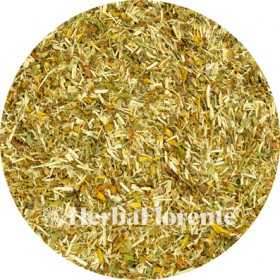
St John's Wort - Hyperici perforatum
St. John's Wort (Hypericum perforatum) has had a positive reputation in European herbal medicine for centuries. It can be used to support both moments of depression and cheerfulness, and it promotes a good night's sleep. In addition, St. John's wort is beneficial for bile function and contributes to healthy digestion, thanks to the presence of bioflavonoids, tannins and essential oils.
The use of St. John's wort dates back to the times of the Ancient Greeks and is traditionally harvested between June 21 and 24, on the occasion of the Feast of St. John, in both pagan and Christian traditions.
The use of St. John's wort dates back to the times of the Ancient Greeks and is traditionally harvested between June 21 and 24, on the occasion of the Feast of St. John, in both pagan and Christian traditions.
€2.00
From: €2.00
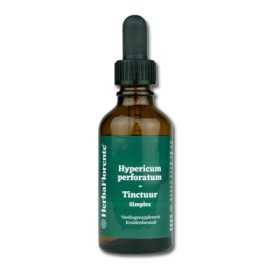
St. John's Wort Tincture - Hypericum perforatum Tincture
Single herbal tincture made with dried herb of Hypericum perforatum (St John's wort).
St. John's wort (Hypericum perforatum) is a plant that has been used for centuries in European herbal medicine. Its use dates back to the time of the Ancient Greeks. Traditionally, it is harvested between June 21st and 24th, the feast of St. John's Day, in both pagan and Christian traditions.
The plant contains bioflavonoids, tannins, and essential oils. In folk medicine, St. John's wort is used in oils, tinctures, or supplements.
St. John's wort (Hypericum perforatum) is a plant that has been used for centuries in European herbal medicine. Its use dates back to the time of the Ancient Greeks. Traditionally, it is harvested between June 21st and 24th, the feast of St. John's Day, in both pagan and Christian traditions.
The plant contains bioflavonoids, tannins, and essential oils. In folk medicine, St. John's wort is used in oils, tinctures, or supplements.
€10.95
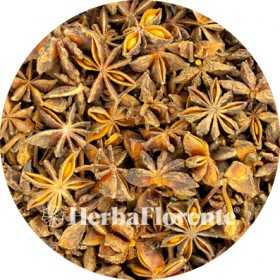
Star Anise - Anisi stell.
Star anise is a tree or shrub whose fruits serve as a spice. Originally from southern China and Vietnam, it is now also grown in Cambodia, Laos, Japan and the Philippines. Best known for its eight-armed fruits, this tree has been known as a spice in Europe since the 17th century, but is best known for its Asian flavor profile. Star anise thrives in warm tropical areas.
The fruits are often used whole or ground into an easily dosed powder. The spicy taste is not in the seeds, but in the lignified peel of the fruit. Star anise has an intense scent of anise due to the large amount of anethole in the essential oil. The taste of the fruit is richer and firmer than that of the anise plant.
The fruits are often used whole or ground into an easily dosed powder. The spicy taste is not in the seeds, but in the lignified peel of the fruit. Star anise has an intense scent of anise due to the large amount of anethole in the essential oil. The taste of the fruit is richer and firmer than that of the anise plant.
€6.00
From: €6.00
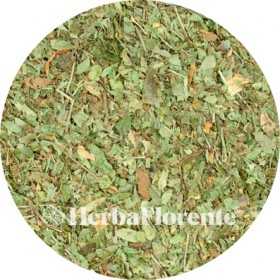
Sweet Woodruff - Asperula odorata
Sweet woodruff (Galium odoratum; synonym: Asperula odorata) is a perennial, hardy herbaceous plant in the Rubiaceae family. It grows naturally in deciduous woodlands and shady areas and is known for its delicate fragrance, which becomes more pronounced after drying.
The plant has a thin, creeping root with numerous stolons. The upright, square stem is delicate, unbranched, and typically grows 10 to 30 cm tall. The leaves are arranged in whorls of six to nine and are lance-shaped, 1 to 4 cm long. Botanically, only two of these are true leaves; the others are stipules that resemble each other in shape and function and together form a star-shaped cluster.
The plant has a thin, creeping root with numerous stolons. The upright, square stem is delicate, unbranched, and typically grows 10 to 30 cm tall. The leaves are arranged in whorls of six to nine and are lance-shaped, 1 to 4 cm long. Botanically, only two of these are true leaves; the others are stipules that resemble each other in shape and function and together form a star-shaped cluster.
€6.40
From: €6.40
Thyme - Thymii vulgaris
Thyme is a herb valued in both cooking and traditional applications. It is recognizable by its distinctive aroma and can be used in teas, spice blends, syrups, or as a seasoning in dishes.
Thyme grows naturally in Europe, Asia, and Africa, forming hardy shrubs approximately 40 centimeters tall. The herb thrives in dry and stony soils. Both the leaves and flowers of thyme contain various plant compounds, including essential oils and flavonoids.
Thyme was used by the Greeks and Romans since ancient times, primarily for its aroma and culinary uses. Today, thyme is still valued for its fragrance and flavor.
Thyme grows naturally in Europe, Asia, and Africa, forming hardy shrubs approximately 40 centimeters tall. The herb thrives in dry and stony soils. Both the leaves and flowers of thyme contain various plant compounds, including essential oils and flavonoids.
Thyme was used by the Greeks and Romans since ancient times, primarily for its aroma and culinary uses. Today, thyme is still valued for its fragrance and flavor.
€2.20
From: €2.20
Thyme - Thymii vulgaris - Cut
Thyme is a herb valued in both cooking and traditional applications. It is recognizable by its distinctive aroma and can be used in teas, spice blends, syrups, or as a seasoning in dishes.
Thyme grows naturally in Europe, Asia, and Africa, forming hardy shrubs approximately 40 centimeters tall. The herb thrives in dry and stony soils. Both the leaves and flowers of thyme contain various plant compounds, including essential oils and flavonoids.
Thyme was used by the Greeks and Romans since ancient times, primarily for its aroma and culinary uses. Today, thyme is still valued for its fragrance and flavor.
Thyme grows naturally in Europe, Asia, and Africa, forming hardy shrubs approximately 40 centimeters tall. The herb thrives in dry and stony soils. Both the leaves and flowers of thyme contain various plant compounds, including essential oils and flavonoids.
Thyme was used by the Greeks and Romans since ancient times, primarily for its aroma and culinary uses. Today, thyme is still valued for its fragrance and flavor.
€2.20
From: €2.20
Tumeric long. - Curcumae longae
Turmeric, also known as turmeric (Curcuma longa), is a tropical plant native to India and Southeast Asia. The root has been used for centuries and is best known in powdered form. In the Netherlands, it is often called "geelwortel" (yellow root) because of its bright yellow color, which is used in curry mixtures, mustard, and other culinary preparations.
Turmeric plays an important role in various Asian cuisines, where it is valued for its color, aroma, and distinctive flavor. The root is found in historical and cultural sources and was traditionally incorporated into dishes and spice blends.
Turmeric plays an important role in various Asian cuisines, where it is valued for its color, aroma, and distinctive flavor. The root is found in historical and cultural sources and was traditionally incorporated into dishes and spice blends.
€2.00
From: €2.00
Tumeric long. - Curcumae longae - Cut
Turmeric, also known as turmeric (Curcuma longa), is a tropical plant native to India and Southeast Asia. The root has been used for centuries and is best known in powdered form. In the Netherlands, it is often called "geelwortel" (yellow root) because of its bright yellow color, which is used in curry mixtures, mustard, and other culinary preparations.
Turmeric plays an important role in various Asian cuisines, where it is valued for its color, aroma, and distinctive flavor. The root is found in historical and cultural sources and was traditionally incorporated into dishes and spice blends.
Turmeric plays an important role in various Asian cuisines, where it is valued for its color, aroma, and distinctive flavor. The root is found in historical and cultural sources and was traditionally incorporated into dishes and spice blends.
€2.00
From: €2.00
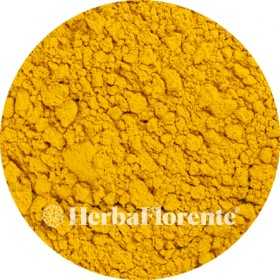
Tumeric zanth. - Curcumae zanthorrhizae
Turmeric, also known as Javanese ginger (Curcuma xanthorrhiza), is a tropical plant native to India and Southeast Asia. The root of this plant has been used for centuries and is best known in powdered form. In the Netherlands, turmeric is also known as yellow root (gelukkigroot) because of its intense yellow color, which is used in curry mixtures and mustard, among other things.
Turmeric plays an important role in various Asian cuisines, where it is valued for its color, aroma, and characteristic flavor. Besides its culinary uses, turmeric is traditionally described in historical and cultural sources from India and Indonesia, where the root played an integral role in daily life.
Turmeric plays an important role in various Asian cuisines, where it is valued for its color, aroma, and characteristic flavor. Besides its culinary uses, turmeric is traditionally described in historical and cultural sources from India and Indonesia, where the root played an integral role in daily life.
€2.40
From: €2.40
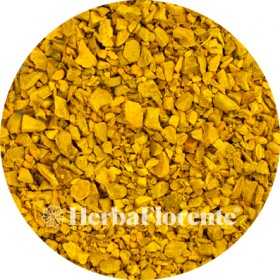
Tumeric zanth. - Curcumae zanthorrhizae - Cut
Turmeric, also known as Javanese ginger (Curcuma xanthorrhiza), is a tropical plant native to India and Southeast Asia. The root of this plant has been used for centuries and is best known in powdered form. In the Netherlands, turmeric is also known as yellow root (gelukkigroot) because of its intense yellow color, which is used in curry mixtures and mustard, among other things.
Turmeric plays an important role in various Asian cuisines, where it is valued for its color, aroma, and characteristic flavor. Besides its culinary uses, turmeric is traditionally described in historical and cultural sources from India and Indonesia, where the root played an integral role in daily life.
Turmeric plays an important role in various Asian cuisines, where it is valued for its color, aroma, and characteristic flavor. Besides its culinary uses, turmeric is traditionally described in historical and cultural sources from India and Indonesia, where the root played an integral role in daily life.
€2.00
From: €2.00
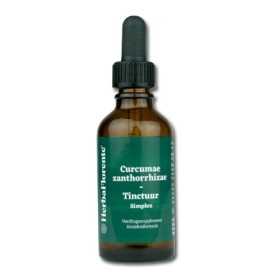
Tumeric zanthorrhiza Tincture - Curcumae zanthorrhizae Tincture
Single herbal tincture made with dried root of Curcumae zanthorrhizae (Tumeric).
Turmeric, also known as Javanese ginger (Curcuma xanthorrhiza), is a tropical plant native to India and Southeast Asia. The root of this plant has been used for centuries and is best known in powdered form. In the Netherlands, turmeric is also known as yellow root (gelukkigroot) because of its intense yellow color, which is used in curry mixtures and mustard, among other things.
Turmeric plays an important role in various Asian cuisines, where it is valued for its color, aroma, and characteristic flavor. Besides its culinary uses, turmeric is traditionally described in historical and cultural sources from India and Indonesia, where the root played an integral role in daily life.
Turmeric, also known as Javanese ginger (Curcuma xanthorrhiza), is a tropical plant native to India and Southeast Asia. The root of this plant has been used for centuries and is best known in powdered form. In the Netherlands, turmeric is also known as yellow root (gelukkigroot) because of its intense yellow color, which is used in curry mixtures and mustard, among other things.
Turmeric plays an important role in various Asian cuisines, where it is valued for its color, aroma, and characteristic flavor. Besides its culinary uses, turmeric is traditionally described in historical and cultural sources from India and Indonesia, where the root played an integral role in daily life.
€9.95
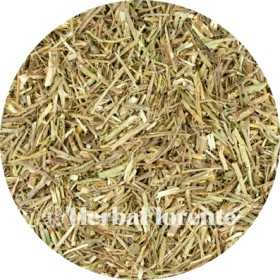
Vervain - Verbena officinalis
Verbena (Verbena officinalis) is a plant that belongs to the Verbena family. It is a perennial herbaceous plant, sometimes annual, with a thin, erect stem that can grow up to 100 cm in height, with the bottom of the stem becoming lignified. The leaves of vervain are hairy and can take different shapes. This plant has no distinctive odor and tastes bitter raw and untreated.
The flowers of vervain appear in spike-shaped clusters in the leaf axils. They are trumpet shaped and vary in color from soft pink to violet. The flowering period extends from June to autumn. The flower spikes are slender yet sturdy and flexible. The fruit of vervain is a split fruit.
The flowers of vervain appear in spike-shaped clusters in the leaf axils. They are trumpet shaped and vary in color from soft pink to violet. The flowering period extends from June to autumn. The flower spikes are slender yet sturdy and flexible. The fruit of vervain is a split fruit.
€2.00
From: €2.00
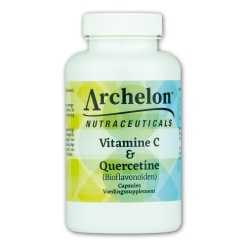
Vitamin C & Quercetin (Bioflavonoids)
Vitamin C (ascorbic acid) is the pure form of vitamin C. Buffered forms of ascorbic acid also exist, which are generally more easily tolerated by the gastrointestinal tract. Vitamin C is a water-soluble vitamin found naturally in various fruits and vegetables, such as citrus fruits, kiwi, bell peppers, and broccoli. Vitamin C is often added to dietary supplements in powder, tablet, or capsule form to supplement daily intake.
Quercetin is a flavonoid (also called a bioflavonoid) found naturally in various plants, fruits, and vegetables. Flavonoids are responsible for the vibrant colors in plants and contribute to various biochemical processes, such as regulating growth and protecting against UV light, oxidation, and heat.
Quercetin is a flavonoid (also called a bioflavonoid) found naturally in various plants, fruits, and vegetables. Flavonoids are responsible for the vibrant colors in plants and contribute to various biochemical processes, such as regulating growth and protecting against UV light, oxidation, and heat.
€29.95
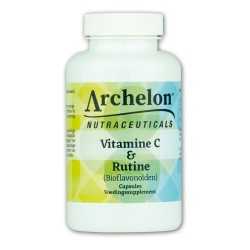
Vitamin C & Rutin (Bioflavonoids)
Vitamin C (ascorbic acid) is the pure form of vitamin C. Buffered forms of ascorbic acid also exist, which are generally more easily tolerated by the gastrointestinal tract. Vitamin C is a water-soluble vitamin found naturally in various fruits and vegetables, such as citrus fruits, kiwi, bell peppers, and broccoli. Vitamin C is often added to dietary supplements in powder, tablet, or capsule form to supplement daily intake.
Rutin is also a flavonoid found in citrus fruits, grapes, apple and pear peel, apricots, raspberries, onions, asparagus, tea, rhubarb, blueberries, and elderberries. Like other flavonoids, rutin contributes to the color and pigmentation of plants and plays a role in their metabolism and protection against environmental influences.
Rutin is also a flavonoid found in citrus fruits, grapes, apple and pear peel, apricots, raspberries, onions, asparagus, tea, rhubarb, blueberries, and elderberries. Like other flavonoids, rutin contributes to the color and pigmentation of plants and plays a role in their metabolism and protection against environmental influences.
€29.95
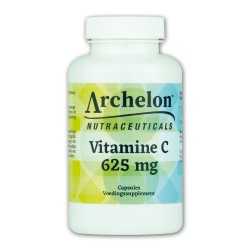
Vitamin C (Sodium Ascorbic Acid) - 625 mg
Vitamin C (ascorbic acid) is the pure form of vitamin C. There are also buffered forms of ascorbic acid, which are generally more easily tolerated by the gastrointestinal tract. Vitamin C is a water-soluble vitamin found naturally in various fruits and vegetables, such as citrus fruits, kiwi, bell peppers, and broccoli. Vitamin C is often added to dietary supplements in powder, tablet, or capsule form to supplement daily intake.
€17.95
Vlezige Hokjespeul (Astragalus) - Astragalus chinensis membranus
Astragalus, also known as fleshy box pod (Astragalus membranaceus), is a plant native to Asia. The root of the plant has been used in traditional Chinese culture for thousands of years.
Astragalus holds an important place in this tradition and is associated with the concept of "qi," which represents life energy. Astragalus is used in a variety of applications, such as herbal teas, powders, and other herbal preparations.
The root contains various natural plant compounds and is valued for its long history of traditional use.
Astragalus holds an important place in this tradition and is associated with the concept of "qi," which represents life energy. Astragalus is used in a variety of applications, such as herbal teas, powders, and other herbal preparations.
The root contains various natural plant compounds and is valued for its long history of traditional use.
€2.90
From: €2.90
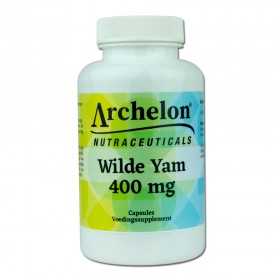
Wild Yam - 400 mg
Wild yam (Dioscorea villosa) is a plant native to Central America. The tuber of the wild yam can grow up to two meters long and is used as a food in South America and Africa, similar to the potato in the Netherlands. The root contains various natural nutrients, including vitamins and minerals. Wild yam is used in foods, powders, and supplements and is a versatile plant with both culinary and traditional uses.
€19.95
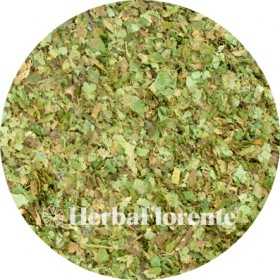
Witch Hazel (Leaf) - Hamamelis virginiana
The American witch hazel (Hamamelis virginiana) is a shrub belonging to the family Hamamelidaceae, native to North America from Nova Scotia to Minnesota, and from southern and central Florida to eastern Texas.
The shrub can reach a height of 6 to sometimes even 10 meters, with a bushy growth thanks to the many branches that arise just above the ground. The bark is light brown, smooth but somewhat flaky, and shows a reddish-purple color on the inside.
Blooming from September through October, the flowers of the American witch hazel display clusters of 4 stamens. They usually range from pale yellow to bright yellow, although orange or red hues also occur. The petals are ribbon-shaped and measure 10-20 mm in length.
The shrub can reach a height of 6 to sometimes even 10 meters, with a bushy growth thanks to the many branches that arise just above the ground. The bark is light brown, smooth but somewhat flaky, and shows a reddish-purple color on the inside.
Blooming from September through October, the flowers of the American witch hazel display clusters of 4 stamens. They usually range from pale yellow to bright yellow, although orange or red hues also occur. The petals are ribbon-shaped and measure 10-20 mm in length.
€5.00
From: €5.00