



Trending
€57.50
€62.50
€35.95
€62.50
€62.50
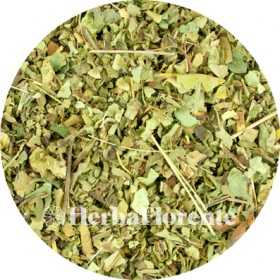
Lungwort - Pulmonaria officinalis
€5.91 €6.95 -15%
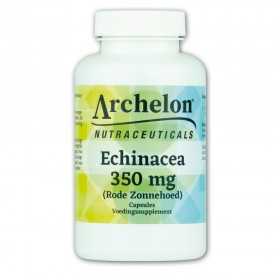
Echinacea (Red Coneflower) - 350 mg
€15.96 €19.95 -20%
Stomach
There are 228 products.
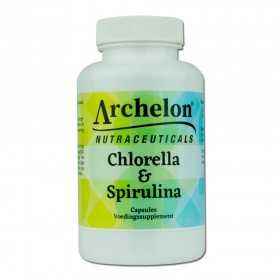
Chlorella 200 mg & Spirulina 200 mg
This dietary supplement combines chlorella and spirulina, two single-celled algae naturally rich in nutrients such as protein, vitamins, and minerals. Together, they form a natural source of diverse nutrients and can be included as part of a varied and balanced diet.
€19.95
Cinnamon - Cinnamomi ceylon
Cinnamon (Cinnamomum ceylon) is an ancient spice extracted from the bark of the cinnamon tree. A section of the bark is carefully cut away, after which the rough outer layer is removed. The familiar cinnamon sticks or cinnamon powder are created from the inner layer of the bark. Cinnamon has been valued for centuries for its culinary and cultural uses.
In Asian and other cultures, cinnamon is traditionally used for various purposes, with its delightful aroma playing a significant role. This aroma is primarily determined by the volatile oil cinnamaldehyde. Cinnamon also naturally contains substances such as eugenol, coumarins, tannins, OPCs, and terpenes.
In Asian and other cultures, cinnamon is traditionally used for various purposes, with its delightful aroma playing a significant role. This aroma is primarily determined by the volatile oil cinnamaldehyde. Cinnamon also naturally contains substances such as eugenol, coumarins, tannins, OPCs, and terpenes.
€2.95
From: €2.95
Cinnamon - Cinnamomi ceylon - Cut
Cinnamon (Cinnamomum ceylon) is an ancient spice extracted from the bark of the cinnamon tree. A section of the bark is carefully cut away, after which the rough outer layer is removed. The familiar cinnamon sticks or cinnamon powder are created from the inner layer of the bark. Cinnamon has been valued for centuries for its culinary and cultural uses.
In Asian and other cultures, cinnamon is traditionally used for various purposes, with its delightful aroma playing a significant role. This aroma is primarily determined by the volatile oil cinnamaldehyde. Cinnamon also naturally contains substances such as eugenol, coumarins, tannins, OPCs, and terpenes.
In Asian and other cultures, cinnamon is traditionally used for various purposes, with its delightful aroma playing a significant role. This aroma is primarily determined by the volatile oil cinnamaldehyde. Cinnamon also naturally contains substances such as eugenol, coumarins, tannins, OPCs, and terpenes.
€3.00
From: €3.00
Citrus Blend Herbal Tea
Herbal tea composed of various herbs
Delicious for every moment
Delicious for every moment
€3.95
Clove - Syzygium aromaticum
Cloves are the dried flower buds of the clove tree (Syzygium aromaticum), an evergreen tree native to the Moluccas. The flower buds are harvested before they fully open and then dried. This drying process gives them their characteristic dark color and intensely aromatic scent.
The spice is characterized by its strong flavor and warm, spicy aroma. These properties are primarily due to the presence of essential oils, of which eugenol is the most important component. Eugenol largely determines the scent and flavor profile of cloves and contributes to the stability of the product.
The spice is characterized by its strong flavor and warm, spicy aroma. These properties are primarily due to the presence of essential oils, of which eugenol is the most important component. Eugenol largely determines the scent and flavor profile of cloves and contributes to the stability of the product.
€3.10
From: €3.10
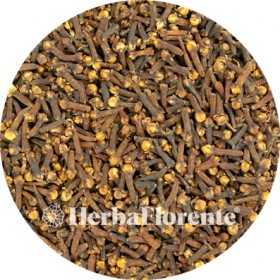
Clove - Syzygium aromaticum - Whole
Cloves are the dried flower buds of the clove tree (Syzygium aromaticum), an evergreen tree native to the Moluccas. The flower buds are harvested before they fully open and then dried. This drying process gives them their characteristic dark color and intensely aromatic scent.
The spice is characterized by its strong flavor and warm, spicy aroma. These properties are primarily due to the presence of essential oils, of which eugenol is the most important component. Eugenol largely determines the scent and flavor profile of cloves and contributes to the stability of the product.
The spice is characterized by its strong flavor and warm, spicy aroma. These properties are primarily due to the presence of essential oils, of which eugenol is the most important component. Eugenol largely determines the scent and flavor profile of cloves and contributes to the stability of the product.
€3.00
From: €3.00
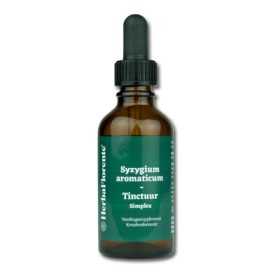
Clove Tincture - Syzygium aromaticum Tincture
Single herbal tincture made with dried flower of Syzygium aromaticum (Clove).
Cloves are the dried flower buds of the clove tree (Syzygium aromaticum), an evergreen tree native to the Moluccas. The flower buds are harvested before they fully open and then dried. This drying process gives them their characteristic dark color and intensely aromatic scent.
The spice is characterized by its strong flavor and warm, spicy aroma. These properties are primarily due to the presence of essential oils, of which eugenol is the most important component. Eugenol largely determines the scent and flavor profile of cloves and contributes to the stability of the product.
Cloves are the dried flower buds of the clove tree (Syzygium aromaticum), an evergreen tree native to the Moluccas. The flower buds are harvested before they fully open and then dried. This drying process gives them their characteristic dark color and intensely aromatic scent.
The spice is characterized by its strong flavor and warm, spicy aroma. These properties are primarily due to the presence of essential oils, of which eugenol is the most important component. Eugenol largely determines the scent and flavor profile of cloves and contributes to the stability of the product.
€10.95
Coriander - Coriandrum sativum
Coriander seeds have been used for thousands of years in various cultures and cuisines worldwide. Traditionally, the seeds are part of spice blends and are prized for their warm, slightly citrusy, and spicy aroma. This long-standing use has led to coriander seeds holding a permanent place in both culinary and traditional herbal practices to this day.
Coriander (Coriandrum sativum) is a versatile plant, with both the leaves and seeds used. The seeds are distinguished by their specific composition and concentrated aromatic compounds. They naturally contain various vitamins and minerals, including vitamins A, C, and K, folic acid, and minerals such as iron, manganese, potassium, magnesium, and calcium.
Coriander (Coriandrum sativum) is a versatile plant, with both the leaves and seeds used. The seeds are distinguished by their specific composition and concentrated aromatic compounds. They naturally contain various vitamins and minerals, including vitamins A, C, and K, folic acid, and minerals such as iron, manganese, potassium, magnesium, and calcium.
€2.00
From: €2.00
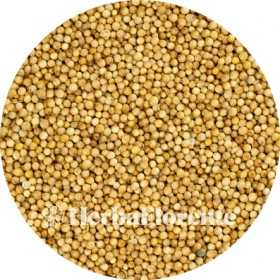
Coriander - Coriandrum sativum - Whole
Coriander seeds have been used for thousands of years in various cultures and cuisines worldwide. Traditionally, the seeds are part of spice blends and are prized for their warm, slightly citrusy, and spicy aroma. This long-standing use has led to coriander seeds holding a permanent place in both culinary and traditional herbal practices to this day.
Coriander (Coriandrum sativum) is a versatile plant, with both the leaves and seeds used. The seeds are distinguished by their specific composition and concentrated aromatic compounds. They naturally contain various vitamins and minerals, including vitamins A, C, and K, folic acid, and minerals such as iron, manganese, potassium, magnesium, and calcium.
Coriander (Coriandrum sativum) is a versatile plant, with both the leaves and seeds used. The seeds are distinguished by their specific composition and concentrated aromatic compounds. They naturally contain various vitamins and minerals, including vitamins A, C, and K, folic acid, and minerals such as iron, manganese, potassium, magnesium, and calcium.
€2.00
From: €2.00
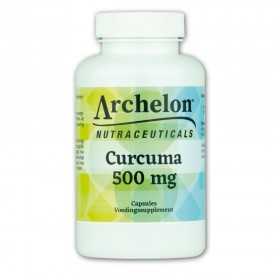
Curcuma - 500 mg
Turmeric, also known as yellow root, is a spice native to the tropical regions of India and Southeast Asia. The root powder is widely used in Asian cuisine and is known in the Netherlands as yellow root because of the striking yellow color it can impart to dishes like curry and mustard. Turmeric contains natural pigments and bioactive compounds and is used in nutritional supplements as part of a varied and balanced diet.
€19.95
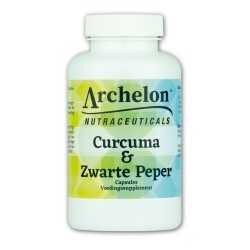
Curcuma 480 mg & Black Pepper 20 mg
Turmeric, also known as yellow root, is a spice native to the tropical regions of India and Southeast Asia. The root powder is widely used in Asian cuisine and is known in the Netherlands as yellow root because of the striking yellow color it can impart to dishes like curry and mustard. Turmeric contains natural pigments and bioactive compounds and is used in nutritional supplements as part of a varied and balanced diet.
€21.95
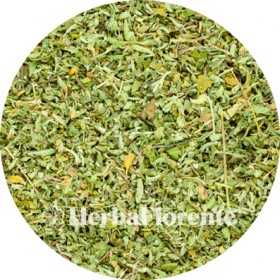
Damiana - Damianae mex. (Turnera diffusa) - Cut
Damiana (Turnera diffusa) is a shrub native to southern Texas, Mexico, Central and South America, and the Caribbean. The plant belongs to the Passifloraceae family and is known for its aromatic leaves.
In Mexico and other parts of Latin America, damiana has been used for centuries in culinary and cultural traditions. The leaves are made into herbal teas and sometimes smoked, among other things. Damiana is also a traditional ingredient in Mexican liqueurs and is sometimes used in cocktails, such as margaritas, where it complements the flavor or replaces part of the liqueur.
Damiana leaves naturally contain various plant compounds, such as beta-sitosterol, arbutin, and various alkaloids.
In Mexico and other parts of Latin America, damiana has been used for centuries in culinary and cultural traditions. The leaves are made into herbal teas and sometimes smoked, among other things. Damiana is also a traditional ingredient in Mexican liqueurs and is sometimes used in cocktails, such as margaritas, where it complements the flavor or replaces part of the liqueur.
Damiana leaves naturally contain various plant compounds, such as beta-sitosterol, arbutin, and various alkaloids.
€4.60
From: €4.60
Damiana - Damianae mex. (Turnera diffusa) - Grounded
Damiana (Turnera diffusa) is a shrub native to southern Texas, Mexico, Central and South America, and the Caribbean. The plant belongs to the Passifloraceae family and is known for its aromatic leaves.
In Mexico and other parts of Latin America, damiana has been used for centuries in culinary and cultural traditions. The leaves are made into herbal teas and sometimes smoked, among other things. Damiana is also a traditional ingredient in Mexican liqueurs and is sometimes used in cocktails, such as margaritas, where it complements the flavor or replaces part of the liqueur.
Damiana leaves naturally contain various plant compounds, such as beta-sitosterol, arbutin, and various alkaloids.
In Mexico and other parts of Latin America, damiana has been used for centuries in culinary and cultural traditions. The leaves are made into herbal teas and sometimes smoked, among other things. Damiana is also a traditional ingredient in Mexican liqueurs and is sometimes used in cocktails, such as margaritas, where it complements the flavor or replaces part of the liqueur.
Damiana leaves naturally contain various plant compounds, such as beta-sitosterol, arbutin, and various alkaloids.
€4.40
From: €4.40
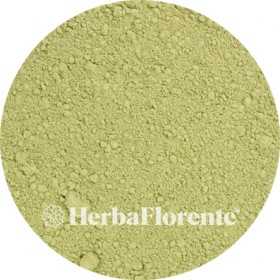
Dandelion (Herb & Root) - Taraxum officinale
Dandelion (Taraxacum officinale) is a plant that has been used for centuries in various cultures. Both the root and the aerial parts of the plant are used and are known for their versatile uses.
The young leaves of the dandelion are traditionally used in dishes such as salads, especially in spring. The yellow flowers can be used as decoration and are also suitable for drying and making into herbal tea.
Dandelions naturally contain various plant compounds, including bitter substances, flavonoids, and fatty acids. They are also a source of vitamins, such as B vitamins and vitamin C, and contain minerals such as calcium, magnesium, zinc, and manganese. Because of this composition, the dandelion is valued as an edible wild plant in herbal culture.
The young leaves of the dandelion are traditionally used in dishes such as salads, especially in spring. The yellow flowers can be used as decoration and are also suitable for drying and making into herbal tea.
Dandelions naturally contain various plant compounds, including bitter substances, flavonoids, and fatty acids. They are also a source of vitamins, such as B vitamins and vitamin C, and contain minerals such as calcium, magnesium, zinc, and manganese. Because of this composition, the dandelion is valued as an edible wild plant in herbal culture.
€2.40
From: €2.40
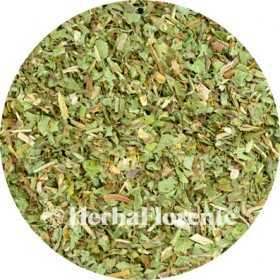
Dandelion (Herb) - Taraxum officinale - Cut
Dandelion (Taraxacum officinale) is a plant that has been used for centuries in various cultures. Both the root and the aerial parts of the plant are used and are known for their versatile uses.
The young leaves of the dandelion are traditionally used in dishes such as salads, especially in spring. The yellow flowers can be used as decoration and are also suitable for drying and making into herbal tea.
Dandelions naturally contain various plant compounds, including bitter substances, flavonoids, and fatty acids. They are also a source of vitamins, such as B vitamins and vitamin C, and contain minerals such as calcium, magnesium, zinc, and manganese. Because of this composition, the dandelion is valued as an edible wild plant in herbal culture.
The young leaves of the dandelion are traditionally used in dishes such as salads, especially in spring. The yellow flowers can be used as decoration and are also suitable for drying and making into herbal tea.
Dandelions naturally contain various plant compounds, including bitter substances, flavonoids, and fatty acids. They are also a source of vitamins, such as B vitamins and vitamin C, and contain minerals such as calcium, magnesium, zinc, and manganese. Because of this composition, the dandelion is valued as an edible wild plant in herbal culture.
€2.50
From: €2.50
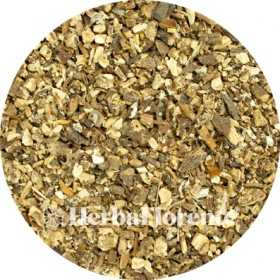
Dandelion (Root) - Taraxum officinale
Dandelion (Taraxacum officinale) is a plant that has been used for centuries in various cultures. Both the root and the aerial parts of the plant are used and are known for their versatile uses.
The young leaves of the dandelion are traditionally used in dishes such as salads, especially in spring. The yellow flowers can be used as decoration and are also suitable for drying and making into herbal tea.
Dandelions naturally contain various plant compounds, including bitter substances, flavonoids, and fatty acids. They are also a source of vitamins, such as B vitamins and vitamin C, and contain minerals such as calcium, magnesium, zinc, and manganese.
The young leaves of the dandelion are traditionally used in dishes such as salads, especially in spring. The yellow flowers can be used as decoration and are also suitable for drying and making into herbal tea.
Dandelions naturally contain various plant compounds, including bitter substances, flavonoids, and fatty acids. They are also a source of vitamins, such as B vitamins and vitamin C, and contain minerals such as calcium, magnesium, zinc, and manganese.
€2.70
From: €2.70
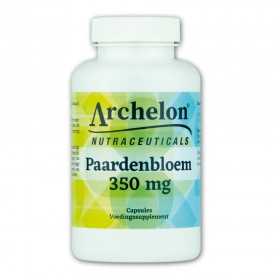
Dandelion - 350 mg
Dandelion (Taraxacum officinale) is a plant known for centuries and used both in its wild form and in nutritional supplements. Both the root and the above-ground parts contain a wide range of natural substances. Dandelion contains bitter substances, phytosterols, fatty acids such as linoleic acid, linolenic acid, palmitic acid, and oleic acid, flavonoids, various B vitamins, vitamin C, beta-carotene, and minerals such as calcium, chromium, magnesium, zinc, manganese, selenium, and sulfur.
€19.95
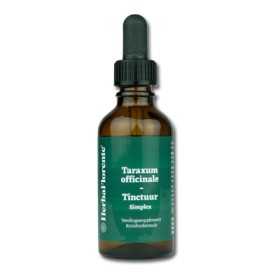
Dandelion Tincture - Taraxum officinale Tincture
Single herbal tincture made with dried herb & root of Taraxum officinale (Dandelion).
Dandelion (Taraxacum officinale) is a plant that has been used for centuries in various cultures. Both the root and the aerial parts of the plant are used and are known for their versatile uses.
The young leaves of the dandelion are traditionally used in dishes such as salads, especially in spring. The yellow flowers can be used as decoration and are also suitable for drying and making into herbal tea.
Dandelion (Taraxacum officinale) is a plant that has been used for centuries in various cultures. Both the root and the aerial parts of the plant are used and are known for their versatile uses.
The young leaves of the dandelion are traditionally used in dishes such as salads, especially in spring. The yellow flowers can be used as decoration and are also suitable for drying and making into herbal tea.
€9.95
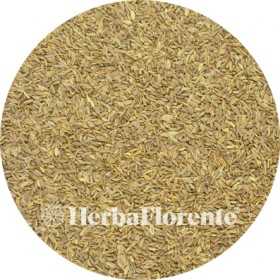
Dill - Anethum graveolens
Dill seed has a refreshing, spicy flavor reminiscent of anise and fennel, and it is more powerful in flavor than dill tops. Whole dill seeds retain their aroma and flavor longer than ground dill seeds. Our dried dill seed is completely natural and free of additives.
Dill is an indispensable seasoning in the kitchen and is often used for preserving vegetables, salmon, mayonnaise and potato salad. It is also delicious in bread, stews, salads, soups, on fish, peas, beans, carrots, pumpkin, beets and potatoes.
Dill is an indispensable seasoning in the kitchen and is often used for preserving vegetables, salmon, mayonnaise and potato salad. It is also delicious in bread, stews, salads, soups, on fish, peas, beans, carrots, pumpkin, beets and potatoes.
€2.50
From: €2.50
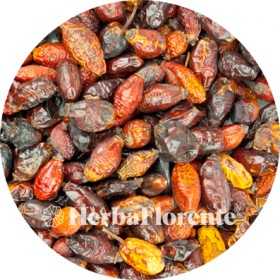
Dogrose - Rosa canina
The dog rose (Rosa canina) is a native rose species in the Benelux region and is native to Europe, Northwest Africa, and West Asia. It was later introduced to North America. The plant often grows along forest edges, hedgerows, and thickets.
It is a large, upright shrub that can reach a height of approximately 1 to 4 meters. The long, arching branches can partially arch. The glandless leaves and branches are green and sometimes have a reddish tinge.
Flowering occurs from June to July. The flowers are usually light pink, sometimes white, and are approximately 3.5 to 4.5 centimeters in diameter. They appear singly or in small clusters of one to ten flowers.
It is a large, upright shrub that can reach a height of approximately 1 to 4 meters. The long, arching branches can partially arch. The glandless leaves and branches are green and sometimes have a reddish tinge.
Flowering occurs from June to July. The flowers are usually light pink, sometimes white, and are approximately 3.5 to 4.5 centimeters in diameter. They appear singly or in small clusters of one to ten flowers.
€2.00
From: €2.00
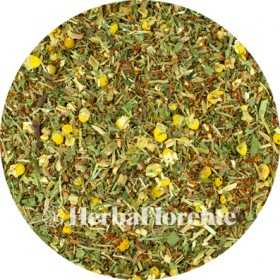
Early Morning Herbal Tea
Herbal tea composed of various herbs
Nice for early morning
Nice for early morning
€3.95
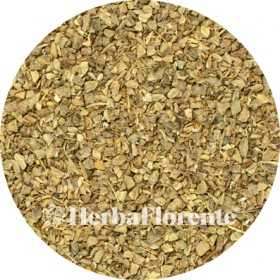
Elecampane - Inula helenium
The Elecampane (Inula helenium) is a perennial plant that belongs to the composite family (Compositae or Asteraceae). This plant is naturally found in Western and Central Asia and has been known for its culinary and medicinal uses since ancient times.
The ancient Greeks called the plant helenion, which means "the radiant, the splendid." This name is related to hèlios, which means "sun". There are several myths surrounding the naming. The Romans adopted the Greek name and called the plant inula. When Linnaeus introduced the scientific Latin name Inula helenium in 1753, he combined the Roman genus name with the Greek specific name.
The ancient Greeks called the plant helenion, which means "the radiant, the splendid." This name is related to hèlios, which means "sun". There are several myths surrounding the naming. The Romans adopted the Greek name and called the plant inula. When Linnaeus introduced the scientific Latin name Inula helenium in 1753, he combined the Roman genus name with the Greek specific name.
€2.20
From: €2.20
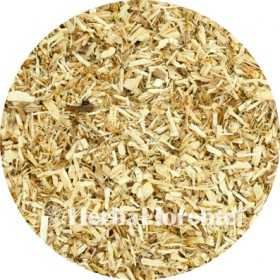
Elm - Ulmi camp. - Cut
The elm (Ulmus), also known as olm, is a genus of deciduous trees. These trees have feather-veined leaves with a serrate or double-serrate leaf edge. They bloom before the leaves appear, with small green perianths whose petals are fused together. Above the perianths are the stamens with purple anthers and the pistil. The seeds of the elm are flattened and have a broad, winged edge. Elms thrive best in fairly nutrient-rich, moist and calcareous soil.
€2.00
From: €2.00
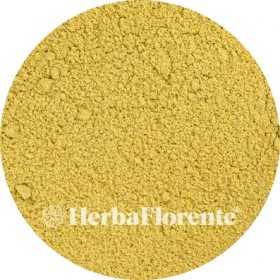
Fennel - Foeniculum vulgare - Grounded
Fennel (Foeniculum vulgare) is a plant that belongs to the Apiaceae family. The plant has a characteristic, anise-like flavor. Both the thread-like leaves and the seeds are used as herbs and spices in various cuisines.
Fennel originates from Asia and the Mediterranean and was introduced to Europe via medieval trade routes. Fennel is particularly widely cultivated in Southern Europe, where it is frequently used in salads and cooked dishes.
Fennel seed has a long history of traditional use. In the past, chewing fennel seeds was part of certain customs and rituals, including religious traditions.
Fennel originates from Asia and the Mediterranean and was introduced to Europe via medieval trade routes. Fennel is particularly widely cultivated in Southern Europe, where it is frequently used in salads and cooked dishes.
Fennel seed has a long history of traditional use. In the past, chewing fennel seeds was part of certain customs and rituals, including religious traditions.
€2.60
From: €2.60