



Trending
€57.50
€62.50
€35.95
€62.50
€62.50
Lungwort - Pulmonaria officinalis
€5.91 €6.95 -15%
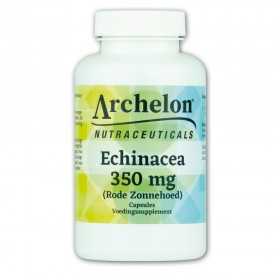
Echinacea (Red Coneflower) - 350 mg
€15.96 €19.95 -20%
Latest Blog


Best sellers
There are 368 products.
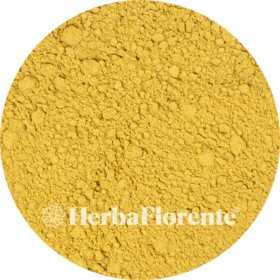
Ginger - Zingiberis Thiz. Mund. officinalis
Ginger comes from the root of the ginger plant (Zingiber officinale) and is used worldwide as a spice for its characteristic flavor. The root contains natural compounds such as gingerol, shogaol, and zingiberene, which contribute to ginger's characteristic aromas and flavors.
Ginger is a versatile plant used in cuisines around the world, both fresh and dried, and can be incorporated into teas, spice blends, or dishes.
Ginger is a versatile plant used in cuisines around the world, both fresh and dried, and can be incorporated into teas, spice blends, or dishes.
€2.40
From: €2.40
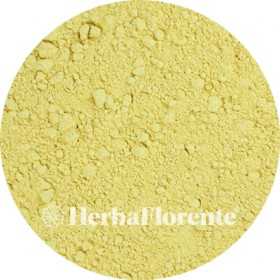
Fenugreek - Foenugraeci graecum
Fenugreek (Trigonella foenum-graecum), also known as fenugreek, fenugreek, or Greek hay, is a versatile plant native to the Mediterranean and later became popular in parts of Asia.
The aromatic seeds and leaves are widely used as a spice in Indian cuisine and can help soften bitter flavors in dishes or products. Fenugreek contains minerals such as iron and copper, and naturally occurring compounds like saponins and coumarins, the latter contributing to its characteristic hay-like aroma.
The aromatic seeds and leaves are widely used as a spice in Indian cuisine and can help soften bitter flavors in dishes or products. Fenugreek contains minerals such as iron and copper, and naturally occurring compounds like saponins and coumarins, the latter contributing to its characteristic hay-like aroma.
€2.00
From: €2.00
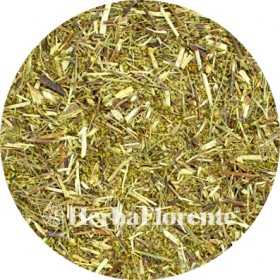
Herb Royal - Artemisia abrotani
Southernwood (Artemisia abrotanum) is a bushy, aromatic shrub belonging to the Asteraceae family. The plant is native to Southern Europe but was introduced early on to more northerly parts of Europe, where it adapted well.
Summer lemongrass has a long cultural and historical background. In ancient traditions of Germanic peoples, the plant was used symbolically in rituals, while the Romans prized it for its fragrance and made the perfume Abrotenum from it. Due to its aromatic properties, summer lemongrass was also used for household and cosmetic purposes.
Summer lemongrass has a long cultural and historical background. In ancient traditions of Germanic peoples, the plant was used symbolically in rituals, while the Romans prized it for its fragrance and made the perfume Abrotenum from it. Due to its aromatic properties, summer lemongrass was also used for household and cosmetic purposes.
€2.40
From: €2.40
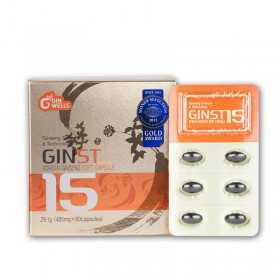
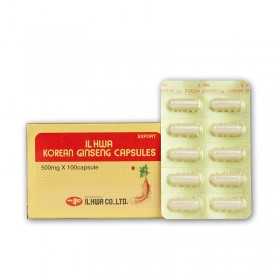
ILHWA GINST15 Korean Ginseng Soft Capsules - 60 caps
These soft capsules contain hydrolyzed ginseng extract (GINST15) and are easy to swallow, ideal for those who prefer to avoid the taste or smell of Panax Ginseng. The capsules are packaged in blister packs of six, making them easy to carry.
Panax Ginseng is a slow-growing plant with a sturdy root that has been part of traditional Chinese medicine for thousands of years. The name Panax comes from the Greek "panacea," meaning "all-healer." Only true Panax Ginseng contains unique substances, ginsenosides. Other plants with "ginseng" in their name, such as Siberian ginseng, Ashwagandha, or Brazilian ginseng, do not contain these specific substances.
Panax Ginseng is a slow-growing plant with a sturdy root that has been part of traditional Chinese medicine for thousands of years. The name Panax comes from the Greek "panacea," meaning "all-healer." Only true Panax Ginseng contains unique substances, ginsenosides. Other plants with "ginseng" in their name, such as Siberian ginseng, Ashwagandha, or Brazilian ginseng, do not contain these specific substances.
€58.95
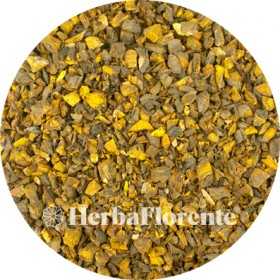
Russian / Chinese Rhubarb - Rheum palmatum / Rheum officinalis
Rheum officinale, also known as Chinese rhubarb or Russian rhubarb, belongs to the knotweed family (Polygonaceae). The plant is native to mountainous regions of western and northwestern China, India, Tibet, Russia, and Turkey, at altitudes between 1,200 and 4,000 meters. Rheum officinale can reach a height of 1.5 to 2 meters.
The stems of the plant are often used as food, while the leaves contain oxalic acid and are therefore unsuitable for consumption.
The stems of the plant are often used as food, while the leaves contain oxalic acid and are therefore unsuitable for consumption.
€2.50
From: €2.50
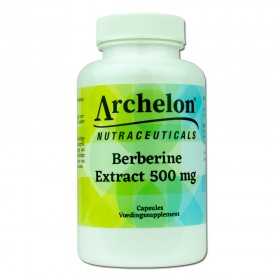
Berberine Extract - 500 mg
Berberine is a plant compound found naturally in various plants, including Berberis aristata. This shrub belongs to the Berberidaceae family and is also known as Indian barberry, chutro, or tree turmeric. Various parts of this plant are used in traditional herbal systems, such as Ayurveda.
Our berberine extract is obtained from the root of Berberis aristata. The root bark naturally contains the alkaloid berberine, a characteristic bittering agent. The extract is standardized to 97% berberine salts, ensuring a consistent and controlled composition.
Berberine has long been used in traditional herbalism and is now popular as an ingredient in nutritional supplements.
Our berberine extract is obtained from the root of Berberis aristata. The root bark naturally contains the alkaloid berberine, a characteristic bittering agent. The extract is standardized to 97% berberine salts, ensuring a consistent and controlled composition.
Berberine has long been used in traditional herbalism and is now popular as an ingredient in nutritional supplements.
€49.95
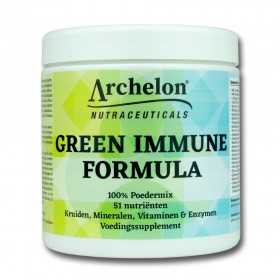
Green Immune Formula
Green Immune Formula is a carefully formulated powder mix containing 50 nutrients, including herbs, vitamins, minerals, and enzymes. The formula was developed to complement a varied diet and a conscious lifestyle.
The ingredients have been selected with a focus on balance and coherence, making Green Immune Formula a complete and user-friendly formula. The powder form makes it easy to take and integrate flexibly into your daily routine.
The ingredients have been selected with a focus on balance and coherence, making Green Immune Formula a complete and user-friendly formula. The powder form makes it easy to take and integrate flexibly into your daily routine.
€62.50
Chamomile Tincture - Matricaria recutita Tincture
Single herbal tincture made with dried flower of Matricaria recutita (True Chamomile).
Chamomile (Matricaria chamomilla, synonym Matricaria recutita) is an annual, aromatic plant from the Asteraceae family. The plant is native to large parts of Europe and is now widely cultivated, including in Hungary and several Eastern European countries.
Chamomile has a long cultural and historical background. In ancient Egypt, the plant was symbolically worshipped and associated with the sun god Ra. Throughout the centuries, chamomile has been frequently described in botanical and historical sources, contributing to its fame and spread.
Chamomile (Matricaria chamomilla, synonym Matricaria recutita) is an annual, aromatic plant from the Asteraceae family. The plant is native to large parts of Europe and is now widely cultivated, including in Hungary and several Eastern European countries.
Chamomile has a long cultural and historical background. In ancient Egypt, the plant was symbolically worshipped and associated with the sun god Ra. Throughout the centuries, chamomile has been frequently described in botanical and historical sources, contributing to its fame and spread.
€11.95
Ginko (Maidenhair tree) Tincture - Ginkgo bilobae Tincture
Single herbal tincture made with dried leaves of Ginkgo bilobae (Ginko - Maidenhair tree).
The Ginkgo biloba Maidenhair tree), also known as the Japanese temple tree, is a unique deciduous tree with a very long history. The species has been mentioned for centuries in botanical and cultural sources from East Asia and is native to China.
Ginkgo biloba is unique within the plant kingdom and is considered a species with no direct relatives. For this reason, Charles Darwin called the ginkgo a "living fossil." The tree has existed for approximately 250 million years and has survived several mass extinctions. Today, it is planted worldwide as an ornamental and avenue tree.
The Ginkgo biloba Maidenhair tree), also known as the Japanese temple tree, is a unique deciduous tree with a very long history. The species has been mentioned for centuries in botanical and cultural sources from East Asia and is native to China.
Ginkgo biloba is unique within the plant kingdom and is considered a species with no direct relatives. For this reason, Charles Darwin called the ginkgo a "living fossil." The tree has existed for approximately 250 million years and has survived several mass extinctions. Today, it is planted worldwide as an ornamental and avenue tree.
€10.95
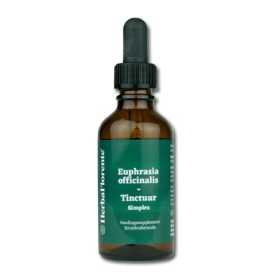
Eyebright Tincture - Euphrasia officinalis Tincture
Single herbal tincture made with dried herb of Euphrasia officinalis (Eyebright).
The Eyebright (Euphrasia officinalis) belongs to the broomrape family (Orobanchaceae) and mainly thrives in France, with the exception of the Mediterranean region. This plant can also be found in other parts of Europe, such as Germany, Austria and Scotland.
The Eyebright is an annual plant that usually grows between 10 and 25 cm high and is covered with numerous long glandular hairs. From May to September the plant blooms with white flowers that often have a light purple upper lip and a yellow spot on the lower lip.
The Eyebright (Euphrasia officinalis) belongs to the broomrape family (Orobanchaceae) and mainly thrives in France, with the exception of the Mediterranean region. This plant can also be found in other parts of Europe, such as Germany, Austria and Scotland.
The Eyebright is an annual plant that usually grows between 10 and 25 cm high and is covered with numerous long glandular hairs. From May to September the plant blooms with white flowers that often have a light purple upper lip and a yellow spot on the lower lip.
€10.95
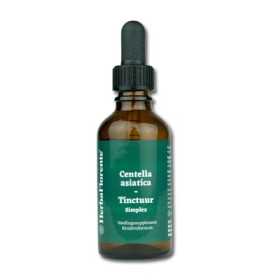
Asiatic Pennywort Tincture - Centella asiatica (Hydrocotyles) Tincture
Single herbal tincture made with dried herb of Centella asiatica (Hydrocotyles) (Asiatic Pennywort) (Gotu kola).
Centella asiatica, also known as Gotu kola (Centella asiatica), is a low-growing plant native to parts of Southeast Asia. It prefers humid areas and has played an important role in traditional systems such as Ayurveda for centuries.
Within these traditions, Centella asiatica is valued for its long history and diverse cultural applications. Due to the presence of various natural plant compounds, the plant has earned a permanent place in Asian herbal traditions.
Centella asiatica is recognizable by its creeping stems and small, rounded leaves. During the flowering period, small white to light pink flowers appear. Traditionally, the above-ground parts of the plant are primarily used.
Centella asiatica, also known as Gotu kola (Centella asiatica), is a low-growing plant native to parts of Southeast Asia. It prefers humid areas and has played an important role in traditional systems such as Ayurveda for centuries.
Within these traditions, Centella asiatica is valued for its long history and diverse cultural applications. Due to the presence of various natural plant compounds, the plant has earned a permanent place in Asian herbal traditions.
Centella asiatica is recognizable by its creeping stems and small, rounded leaves. During the flowering period, small white to light pink flowers appear. Traditionally, the above-ground parts of the plant are primarily used.
€9.95
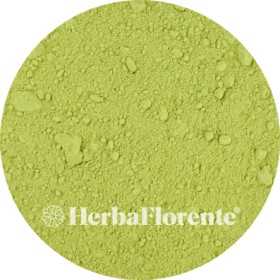
Berk - Betula pendula Roth, Betulae (Leaf Grounded)
The birch (Betula) is a tree that has held a special place in European cultures and traditions for centuries. Historically, the birch was sometimes seen as a symbolic or even sacred tree, partly due to its role in seasonal rituals and folk customs.
In early spring, just before the tree begins to bud, birch sap can be tapped. This time coincides with the period when the sap flow is most active. Young birch leaves are also traditionally collected during this phase. Both the sap and the leaves are part of ancient customs and have long been described in botanical and herbal sources.
Birch leaves naturally contain various plant compounds, including flavonoids, saponins, and tannins.
In early spring, just before the tree begins to bud, birch sap can be tapped. This time coincides with the period when the sap flow is most active. Young birch leaves are also traditionally collected during this phase. Both the sap and the leaves are part of ancient customs and have long been described in botanical and herbal sources.
Birch leaves naturally contain various plant compounds, including flavonoids, saponins, and tannins.
€2.10
From: €2.10
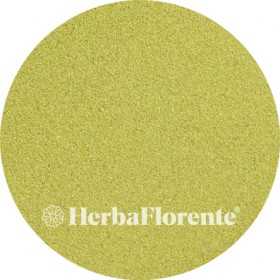
Rosemary - Rosmarini officinalis
Rosemary (Rosmarinus officinalis L.) is a fragrant, compact shrub from the Lamiaceae family. Native to the Mediterranean region, it is known for its aromatic leaves and lavender-blue flowers that appear in spring.
The name "rosemary" derives from the Latin: ros meaning "dew" and marinus meaning "sea," together meaning "dew of the sea." Rosemary has been prized for centuries in diverse cultures, from the ancient Greeks to the Romans, and is used in culinary dishes and herbal teas.
Rosemary naturally contains plant compounds, including aromatic oils and antioxidants, which contribute to the herb's characteristic aroma and flavor. It is used in a wide variety of dishes, from meat and fish dishes to sauces and marinades, and is also popular in aromatic oils and spice blends.
The name "rosemary" derives from the Latin: ros meaning "dew" and marinus meaning "sea," together meaning "dew of the sea." Rosemary has been prized for centuries in diverse cultures, from the ancient Greeks to the Romans, and is used in culinary dishes and herbal teas.
Rosemary naturally contains plant compounds, including aromatic oils and antioxidants, which contribute to the herb's characteristic aroma and flavor. It is used in a wide variety of dishes, from meat and fish dishes to sauces and marinades, and is also popular in aromatic oils and spice blends.
€2.00
From: €2.00
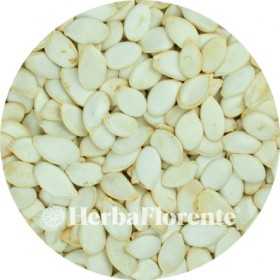
Pumpkin Seeds - Cucurbitae incortis
Pumpkin seeds are rich in nutrients and calories, with a particularly high fat content (especially linoleic acid and oleic acid), protein, dietary fiber and numerous micronutrients. Pumpkin seeds are a common ingredient in Mexican cuisine and are also roasted and served as a snack.
€2.00
From: €2.00
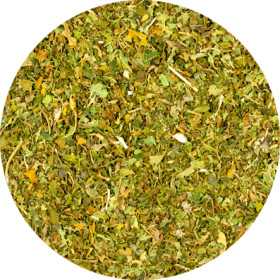
Papaya - Carica papaya
The papaya (Carica papaya) belongs to the Caricaceae family and is imported to Belgium and the Netherlands from Central America, Asia, Central and South Africa. Recently, the papaya has also been grown in greenhouses in the Netherlands, which requires special soil. This fruit is available all year round, without significant seasonality.
The papaya grows on the trunk of a melon tree and is therefore also called "tree melon". The origin of the papaya tree is in Mexico. This tree can grow up to six meters tall, with a hollow trunk and large, finger-shaped leaves. There are several subspecies of the papaya.
The papaya grows on the trunk of a melon tree and is therefore also called "tree melon". The origin of the papaya tree is in Mexico. This tree can grow up to six meters tall, with a hollow trunk and large, finger-shaped leaves. There are several subspecies of the papaya.
€3.60
From: €3.60
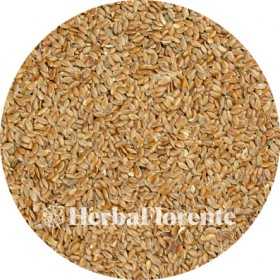
Lijnzaad - Linum usitatissimum
Flaxseed is a nutritious seed known for its rich composition of fatty acids and other natural components. It contains a high level of omega-3 fatty acids, of which approximately 55% consists of alpha-linolenic acid (ALA). In addition, approximately 20% of the fatty acid profile consists of omega-9 (oleic acid).
In addition to fatty acids, flaxseed also contains lignans (phytosterols), as well as tocopherols, carotenoids, and various minerals. This combination makes flaxseed a valuable plant-based food source.
According to the Netherlands Nutrition Centre, omega-3 fatty acids contribute to the maintenance of normal cardiovascular function when consumed as part of a varied and balanced diet.
In addition to fatty acids, flaxseed also contains lignans (phytosterols), as well as tocopherols, carotenoids, and various minerals. This combination makes flaxseed a valuable plant-based food source.
According to the Netherlands Nutrition Centre, omega-3 fatty acids contribute to the maintenance of normal cardiovascular function when consumed as part of a varied and balanced diet.
€2.00
From: €2.00
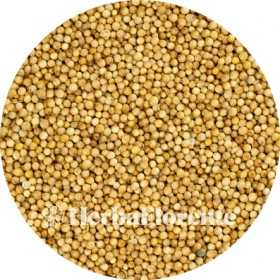
Coriander - Coriandrum sativum - Whole
Coriander seeds have been used for thousands of years in various cultures and cuisines worldwide. Traditionally, the seeds are part of spice blends and are prized for their warm, slightly citrusy, and spicy aroma. This long-standing use has led to coriander seeds holding a permanent place in both culinary and traditional herbal practices to this day.
Coriander (Coriandrum sativum) is a versatile plant, with both the leaves and seeds used. The seeds are distinguished by their specific composition and concentrated aromatic compounds. They naturally contain various vitamins and minerals, including vitamins A, C, and K, folic acid, and minerals such as iron, manganese, potassium, magnesium, and calcium.
Coriander (Coriandrum sativum) is a versatile plant, with both the leaves and seeds used. The seeds are distinguished by their specific composition and concentrated aromatic compounds. They naturally contain various vitamins and minerals, including vitamins A, C, and K, folic acid, and minerals such as iron, manganese, potassium, magnesium, and calcium.
€2.00
From: €2.00
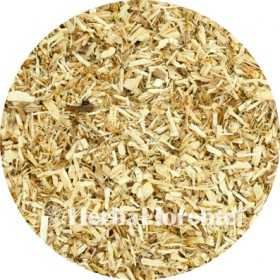
Elm - Ulmi camp. - Cut
The elm (Ulmus), also known as olm, is a genus of deciduous trees. These trees have feather-veined leaves with a serrate or double-serrate leaf edge. They bloom before the leaves appear, with small green perianths whose petals are fused together. Above the perianths are the stamens with purple anthers and the pistil. The seeds of the elm are flattened and have a broad, winged edge. Elms thrive best in fairly nutrient-rich, moist and calcareous soil.
€2.00
From: €2.00
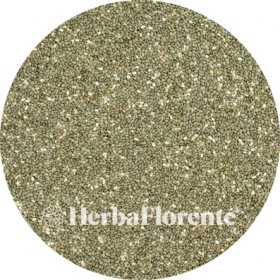
Chia seeds - Salviae Sem. Hispanica nigri albi
Chia, also known as Salvia hispanica, is a plant from the Lamiaceae family, originally from central and southern Mexico and Guatemala. The Aztecs cultivated this plant even before Columbus discovered America, and chia seeds were used as currency to the rulers. Today, chia is still prized in Mexico and Guatemala; the ground seeds are used in dishes, while whole seeds are often added to nutritious drinks.
The main purpose of growing chia is for its seeds, which are rich in omega-3 fatty acids. About 25-30% of the seed contains vegetable oil, including alpha-linolenic acid (ALA). Chia seeds are small and oval, about 1 mm in diameter, and have a color palette of brown, gray-black and white.
The main purpose of growing chia is for its seeds, which are rich in omega-3 fatty acids. About 25-30% of the seed contains vegetable oil, including alpha-linolenic acid (ALA). Chia seeds are small and oval, about 1 mm in diameter, and have a color palette of brown, gray-black and white.
€2.00
From: €2.00
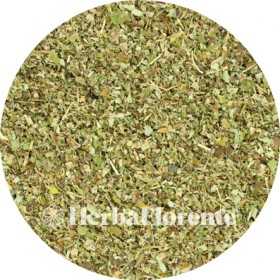
Blackberry (Leaf) - Rubus fructicosus, Frucus Rubi
The genus Blackberry (Rubus) belongs to the rose family and has more than 1400 species worldwide. More than 200 of these species grow in the Netherlands and Belgium.
Blackberries are prized primarily for their fruits, which range in color from red to dark blue. They have a sweet taste and can be eaten fresh or processed into jam, for example.
The leaves of the blackberry can be used to make herbal tea. After picking, the leaves should be dried in a dry and airy place, after which they can be used to make tea.
Blackberries are prized primarily for their fruits, which range in color from red to dark blue. They have a sweet taste and can be eaten fresh or processed into jam, for example.
The leaves of the blackberry can be used to make herbal tea. After picking, the leaves should be dried in a dry and airy place, after which they can be used to make tea.
€2.00
From: €2.00
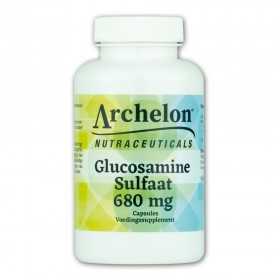
Glucosamine Sulfate - 680mg
Glucosamine is an amino sugar that occurs naturally in the human body. It is a natural substance and is present in various tissues. The body can produce glucosamine from glucose and the amino acid glutamine. Glucosamine also occurs in small amounts in certain food sources.
For supplement use, glucosamine is usually extracted from shellfish or produced through fermentation. In dietary supplements, glucosamine is available in various forms, such as glucosamine sulfate and glucosamine hydrochloride. These forms are often used in products aimed at supplementing the daily diet.
For supplement use, glucosamine is usually extracted from shellfish or produced through fermentation. In dietary supplements, glucosamine is available in various forms, such as glucosamine sulfate and glucosamine hydrochloride. These forms are often used in products aimed at supplementing the daily diet.
€27.95
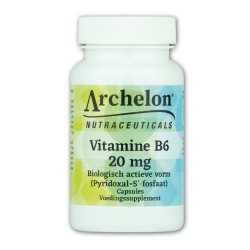
Vitamin B6 (P-5-F) (Biologically Active Form) - 20mg
Vitamin B6 (pyridoxal-5'-phosphate, P-5'-P) is the biologically active form of vitamin B6. Unlike pyridoxine HCL, this form does not need to be converted in the body. P-5'-P is used in the body by enzymes involved in various biochemical reactions, including amino acid and glycogen metabolism. Vitamin B6 occurs naturally in foods such as meat, fish, potatoes, bananas, and whole grains.
€22.95
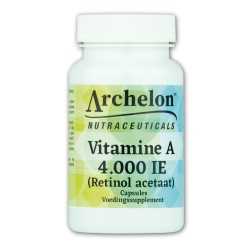
Vitamine A (acétate de rétinol) - 4,000 UI - 1,200 mcg
Vitamin A is a fat-soluble vitamin found in foods such as liver, eggs, dairy products, carrots, spinach, and other orange or green vegetables. In the body, vitamin A is involved in various biochemical processes and is present in cells. It can be found in various forms, such as retinol in animal products and carotenoids in plant foods. Vitamin A is stored in the liver and can be supplemented with food. It is an important part of a varied diet.
€15.95
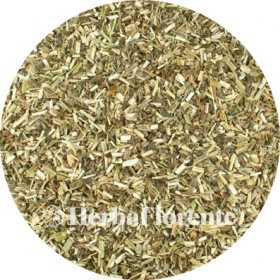
Betony - Wood Betony - Betonica officinalis
Betony, also known as feverwort (Betonica officinalis, synonym Stachys officinalis), is a herbaceous plant in the Lamiaceae family. In the Netherlands and Belgium, the species is listed on the Red List of Plants and is classified as very rare, with a sharply declining population. In addition to its natural habitat, betony is also frequently cultivated as an ornamental.
The plant reaches a height of approximately 30 to 90 centimeters and blooms from June to August. The flowers are usually purplish-red, although white varieties also occur. They are clustered in dense, spike-shaped, pseudo-inflorescences. Most leaves form a basal rosette; the lower leaves have long petioles, while the upper leaves have short petioles. All leaves have distinctly reticulate venation.
The plant reaches a height of approximately 30 to 90 centimeters and blooms from June to August. The flowers are usually purplish-red, although white varieties also occur. They are clustered in dense, spike-shaped, pseudo-inflorescences. Most leaves form a basal rosette; the lower leaves have long petioles, while the upper leaves have short petioles. All leaves have distinctly reticulate venation.
€3.20
From: €3.20