



Trending
€57.50
€62.50

€35.95
€62.50
€62.50

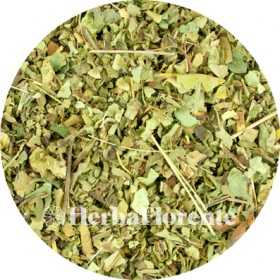
Lungwort - Pulmonaria officinalis
€5.91 €6.95 -15%
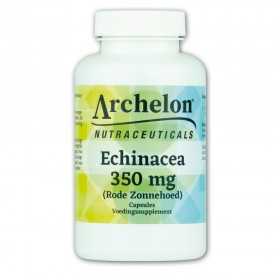
Echinacea (Red Coneflower) - 350 mg
€15.96 €19.95 -20%
Stress
There are 156 products.
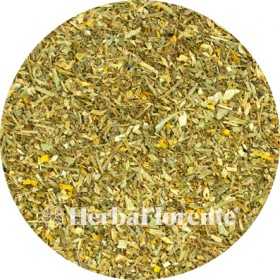
California Poppy - Eschscholzia californica
California poppy, also known as golden poppy (Eschscholtzia californica), is a plant with golden-yellow flowers belonging to the poppy family. The plant is native to California, which explains its name.
The aerial parts of the golden poppy contain various natural compounds, including quinolide alkaloids, rutin, phytosterols, carotenoids, and cyanogen glycosides. Indigenous peoples in North America used the plant for their traditional purposes.
Today, California poppy is used in herbal teas and other herbal preparations and is valued for its botanical characteristics and aromatic properties.
The aerial parts of the golden poppy contain various natural compounds, including quinolide alkaloids, rutin, phytosterols, carotenoids, and cyanogen glycosides. Indigenous peoples in North America used the plant for their traditional purposes.
Today, California poppy is used in herbal teas and other herbal preparations and is valued for its botanical characteristics and aromatic properties.
€2.40
From: €2.40
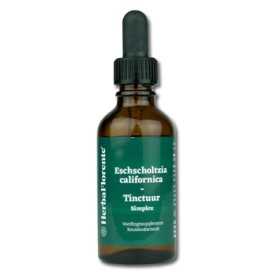
California Poppy Tincture - Eschscholtzia californica Tincture
Single herbal tincture made with dried herb of Eschscholtzia californica (California Poppy).
California poppy, also known as golden poppy (Eschscholtzia californica), is a plant with golden-yellow flowers belonging to the poppy family. The plant is native to California, which explains its name.
The aerial parts of the golden poppy contain various natural compounds, including quinolide alkaloids, rutin, phytosterols, carotenoids, and cyanogen glycosides. Indigenous peoples in North America used the plant for their traditional purposes.
Today, California poppy is used in herbal teas and other herbal preparations and is valued for its botanical characteristics and aromatic properties.
California poppy, also known as golden poppy (Eschscholtzia californica), is a plant with golden-yellow flowers belonging to the poppy family. The plant is native to California, which explains its name.
The aerial parts of the golden poppy contain various natural compounds, including quinolide alkaloids, rutin, phytosterols, carotenoids, and cyanogen glycosides. Indigenous peoples in North America used the plant for their traditional purposes.
Today, California poppy is used in herbal teas and other herbal preparations and is valued for its botanical characteristics and aromatic properties.
€10.95
Cat's Claw - Uncaria tomentosa
Cat's claw (Uncaria tomentosa), also known as cat's claw, is a climbing plant native to the Amazon region of Brazil and Peru, among other places. The plant grows in rainforests and can cling to trees with its characteristic, claw-shaped thorns. These thorns, located at the base of the leaves, give the plant its name and enable it to climb to great heights.
In the Peruvian Amazon, cat's claw has special cultural significance and is considered part of traditional plant knowledge. Due to its origins and ecological importance, the species is a protected plant in certain regions.
In the Peruvian Amazon, cat's claw has special cultural significance and is considered part of traditional plant knowledge. Due to its origins and ecological importance, the species is a protected plant in certain regions.
€2.60
From: €2.60
Cat's Claw - Uncaria tomentosa - Cut
Cat's claw (Uncaria tomentosa), also known as cat's claw, is a climbing plant native to the Amazon region of Brazil and Peru, among other places. The plant grows in rainforests and can cling to trees with its characteristic, claw-shaped thorns. These thorns, located at the base of the leaves, give the plant its name and enable it to climb to great heights.
In the Peruvian Amazon, cat's claw has special cultural significance and is considered part of traditional plant knowledge. Due to its origins and ecological importance, the species is a protected plant in certain regions.
In the Peruvian Amazon, cat's claw has special cultural significance and is considered part of traditional plant knowledge. Due to its origins and ecological importance, the species is a protected plant in certain regions.
€2.40
From: €2.40
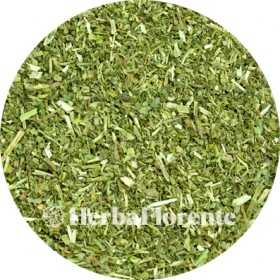
Catnip - Nepetae catariae
Wild catnip (Nepeta cataria) belongs to a genus of 250 species in the family Lamiaceae. The genus is closely related to Glechoma, Stachys and Prunella. This genus originally occurs in Europe and Asia. The stems grow in nodes and often form dense carpets on the ground. The leaves are coarsely toothed and feel soft because of the hairs. The erect stems bear small, tubular flowers in pairs that are located in the axils of the leaves.
€2.20
From: €2.20
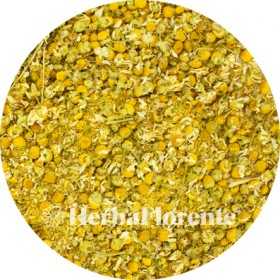
Chamomile (Flower) - Matricaria recutita, Chamomillae europ. - Whole
Chamomile (Matricaria chamomilla, synonym Matricaria recutita) is an annual, aromatic plant from the Asteraceae family. Originally native to large parts of Europe, it is now widely cultivated, including in Hungary and several Eastern European countries.
Chamomile has a long cultural and historical background. In ancient Egypt, the plant was symbolically worshipped and associated with the sun god Ra. Throughout the centuries, chamomile has been frequently described in botanical and historical sources, contributing to its fame and spread.
Chamomile has a long cultural and historical background. In ancient Egypt, the plant was symbolically worshipped and associated with the sun god Ra. Throughout the centuries, chamomile has been frequently described in botanical and historical sources, contributing to its fame and spread.
€3.20
From: €3.20
Chamomile - Matricaria recutita, Chamomillae europ.
Chamomile (Matricaria chamomilla, synonym Matricaria recutita) is an annual, aromatic plant from the Asteraceae family. Originally native to large parts of Europe, it is now widely cultivated, including in Hungary and several Eastern European countries.
Chamomile has a long cultural and historical background. In ancient Egypt, the plant was symbolically worshipped and associated with the sun god Ra. Throughout the centuries, chamomile has been frequently described in botanical and historical sources, contributing to its fame and spread.
Chamomile has a long cultural and historical background. In ancient Egypt, the plant was symbolically worshipped and associated with the sun god Ra. Throughout the centuries, chamomile has been frequently described in botanical and historical sources, contributing to its fame and spread.
€3.40
From: €3.40
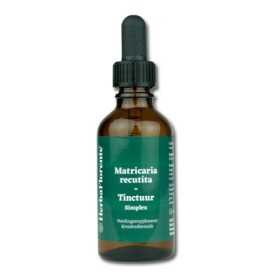
Chamomile Tincture - Matricaria recutita Tincture
Single herbal tincture made with dried flower of Matricaria recutita (True Chamomile).
Chamomile (Matricaria chamomilla, synonym Matricaria recutita) is an annual, aromatic plant from the Asteraceae family. The plant is native to large parts of Europe and is now widely cultivated, including in Hungary and several Eastern European countries.
Chamomile has a long cultural and historical background. In ancient Egypt, the plant was symbolically worshipped and associated with the sun god Ra. Throughout the centuries, chamomile has been frequently described in botanical and historical sources, contributing to its fame and spread.
Chamomile (Matricaria chamomilla, synonym Matricaria recutita) is an annual, aromatic plant from the Asteraceae family. The plant is native to large parts of Europe and is now widely cultivated, including in Hungary and several Eastern European countries.
Chamomile has a long cultural and historical background. In ancient Egypt, the plant was symbolically worshipped and associated with the sun god Ra. Throughout the centuries, chamomile has been frequently described in botanical and historical sources, contributing to its fame and spread.
€11.95
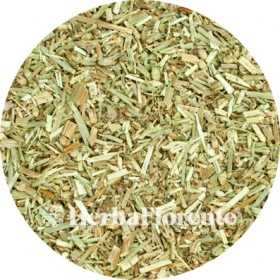
Chicory (Herb) - Cichorium Intybus
Chicory (Cichorium) belongs to the composite family (Compositae or Asteraceae) and includes well-known vegetables such as chicory and endive. It is mainly consumed for health reasons.
Since the late years of the twentieth century, chicory roots have been cultivated not only for chicory, but also for the production of inulin and sweeteners, especially fructose. Both inulin (a dietary fiber) and fructose are widely used in the food industry.
Roasted chicory root is used as a coffee substitute or as an ingredient in coffee brewing. In the past, this was done out of necessity, such as during the Napoleonic blockade during the French occupation.
Since the late years of the twentieth century, chicory roots have been cultivated not only for chicory, but also for the production of inulin and sweeteners, especially fructose. Both inulin (a dietary fiber) and fructose are widely used in the food industry.
Roasted chicory root is used as a coffee substitute or as an ingredient in coffee brewing. In the past, this was done out of necessity, such as during the Napoleonic blockade during the French occupation.
€2.00
From: €2.00
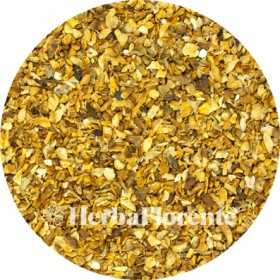
Chicory (Root) - Cichorium Intybus - Cut
Chicory (Cichorium) belongs to the composite family (Compositae or Asteraceae) and includes well-known vegetables such as chicory and endive. It is mainly consumed for health reasons.
Since the late years of the twentieth century, chicory roots have been cultivated not only for chicory, but also for the production of inulin and sweeteners, especially fructose. Both inulin (a dietary fiber) and fructose are widely used in the food industry.
Roasted chicory root is used as a coffee substitute or as an ingredient in coffee brewing. In the past, this was done out of necessity, such as during the Napoleonic blockade during the French occupation.
Since the late years of the twentieth century, chicory roots have been cultivated not only for chicory, but also for the production of inulin and sweeteners, especially fructose. Both inulin (a dietary fiber) and fructose are widely used in the food industry.
Roasted chicory root is used as a coffee substitute or as an ingredient in coffee brewing. In the past, this was done out of necessity, such as during the Napoleonic blockade during the French occupation.
€2.00
From: €2.00
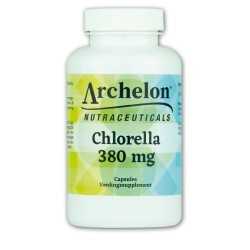
Chlorella - 380 mg
Chlorella is a single-celled green algae from the green algae family, native to lakes and rivers in Southeast Asia. The name "chlorella" comes from the Greek words chloros (green) and ella (small).
This microscopic algae naturally contains a broad spectrum of nutrients, including proteins, vitamins (such as A, B1, C, E, and K), trace elements, beta-carotene, lutein, omega-3 fatty acids, and chlorophyll. Chlorella is often used as an ingredient in nutritional supplements and is suitable for a varied and balanced diet, including vegetarians and vegans.
This microscopic algae naturally contains a broad spectrum of nutrients, including proteins, vitamins (such as A, B1, C, E, and K), trace elements, beta-carotene, lutein, omega-3 fatty acids, and chlorophyll. Chlorella is often used as an ingredient in nutritional supplements and is suitable for a varied and balanced diet, including vegetarians and vegans.
€17.95
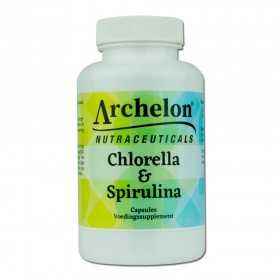
Chlorella 200 mg & Spirulina 200 mg
This dietary supplement combines chlorella and spirulina, two single-celled algae naturally rich in nutrients such as protein, vitamins, and minerals. Together, they form a natural source of diverse nutrients and can be included as part of a varied and balanced diet.
€19.95
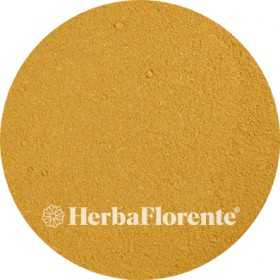
Cinnamon - Cinnamomi ceylon
Cinnamon (Cinnamomum ceylon) is an ancient spice extracted from the bark of the cinnamon tree. A section of the bark is carefully cut away, after which the rough outer layer is removed. The familiar cinnamon sticks or cinnamon powder are created from the inner layer of the bark. Cinnamon has been valued for centuries for its culinary and cultural uses.
In Asian and other cultures, cinnamon is traditionally used for various purposes, with its delightful aroma playing a significant role. This aroma is primarily determined by the volatile oil cinnamaldehyde. Cinnamon also naturally contains substances such as eugenol, coumarins, tannins, OPCs, and terpenes.
In Asian and other cultures, cinnamon is traditionally used for various purposes, with its delightful aroma playing a significant role. This aroma is primarily determined by the volatile oil cinnamaldehyde. Cinnamon also naturally contains substances such as eugenol, coumarins, tannins, OPCs, and terpenes.
€2.95
From: €2.95
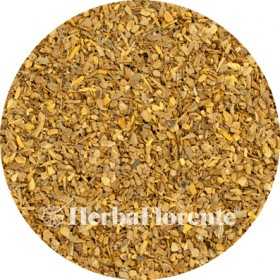
Cinnamon - Cinnamomi ceylon - Cut
Cinnamon (Cinnamomum ceylon) is an ancient spice extracted from the bark of the cinnamon tree. A section of the bark is carefully cut away, after which the rough outer layer is removed. The familiar cinnamon sticks or cinnamon powder are created from the inner layer of the bark. Cinnamon has been valued for centuries for its culinary and cultural uses.
In Asian and other cultures, cinnamon is traditionally used for various purposes, with its delightful aroma playing a significant role. This aroma is primarily determined by the volatile oil cinnamaldehyde. Cinnamon also naturally contains substances such as eugenol, coumarins, tannins, OPCs, and terpenes.
In Asian and other cultures, cinnamon is traditionally used for various purposes, with its delightful aroma playing a significant role. This aroma is primarily determined by the volatile oil cinnamaldehyde. Cinnamon also naturally contains substances such as eugenol, coumarins, tannins, OPCs, and terpenes.
€3.00
From: €3.00
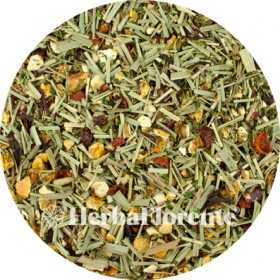
Citrus Blend Herbal Tea
Herbal tea composed of various herbs
Delicious for every moment
Delicious for every moment
€3.95

Cordyceps - 500 mg
Cordyceps (Cordyceps sinensis) is a mushroom native to the Far East and belongs to the fungus family. This fungus lives as a parasite on the caterpillars of certain moths, from which the characteristic club-shaped fruiting bodies develop. The name "Cordyceps" is derived from the Latin "cordy" (club) and "ceps" (head), while "sinensis" means "Chinese." In the Netherlands, this mushroom is also known as "caterpillar fungus" or "Chinese caterpillar killer." Cordyceps is offered in nutritional supplements as part of a varied and balanced diet.
€34.95
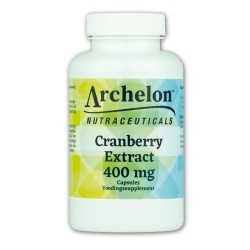
Cranberry Extract - 400 mg
Cranberry (Vaccinium macrocarpon). Cranberries are small, red berries that naturally contain anthocyanins, pigments belonging to the flavonoid family and responsible for their vibrant color. Anthocyanins are found in many vegetables, fruits, and herbs. Cranberries also provide a wide range of nutrients, including vitamins, minerals, and antioxidants, and are often included in dietary supplements as part of a varied and balanced diet.
€34.95
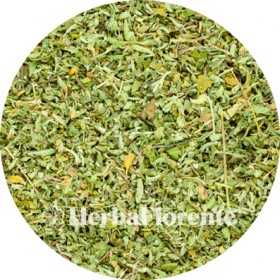
Damiana - Damianae mex. (Turnera diffusa) - Cut
Damiana (Turnera diffusa) is a shrub native to southern Texas, Mexico, Central and South America, and the Caribbean. The plant belongs to the Passifloraceae family and is known for its aromatic leaves.
In Mexico and other parts of Latin America, damiana has been used for centuries in culinary and cultural traditions. The leaves are made into herbal teas and sometimes smoked, among other things. Damiana is also a traditional ingredient in Mexican liqueurs and is sometimes used in cocktails, such as margaritas, where it complements the flavor or replaces part of the liqueur.
Damiana leaves naturally contain various plant compounds, such as beta-sitosterol, arbutin, and various alkaloids.
In Mexico and other parts of Latin America, damiana has been used for centuries in culinary and cultural traditions. The leaves are made into herbal teas and sometimes smoked, among other things. Damiana is also a traditional ingredient in Mexican liqueurs and is sometimes used in cocktails, such as margaritas, where it complements the flavor or replaces part of the liqueur.
Damiana leaves naturally contain various plant compounds, such as beta-sitosterol, arbutin, and various alkaloids.
€4.60
From: €4.60
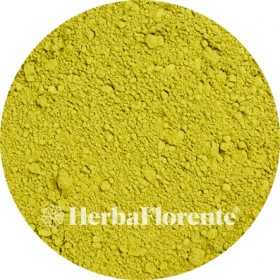
Damiana - Damianae mex. (Turnera diffusa) - Grounded
Damiana (Turnera diffusa) is a shrub native to southern Texas, Mexico, Central and South America, and the Caribbean. The plant belongs to the Passifloraceae family and is known for its aromatic leaves.
In Mexico and other parts of Latin America, damiana has been used for centuries in culinary and cultural traditions. The leaves are made into herbal teas and sometimes smoked, among other things. Damiana is also a traditional ingredient in Mexican liqueurs and is sometimes used in cocktails, such as margaritas, where it complements the flavor or replaces part of the liqueur.
Damiana leaves naturally contain various plant compounds, such as beta-sitosterol, arbutin, and various alkaloids.
In Mexico and other parts of Latin America, damiana has been used for centuries in culinary and cultural traditions. The leaves are made into herbal teas and sometimes smoked, among other things. Damiana is also a traditional ingredient in Mexican liqueurs and is sometimes used in cocktails, such as margaritas, where it complements the flavor or replaces part of the liqueur.
Damiana leaves naturally contain various plant compounds, such as beta-sitosterol, arbutin, and various alkaloids.
€4.40
From: €4.40
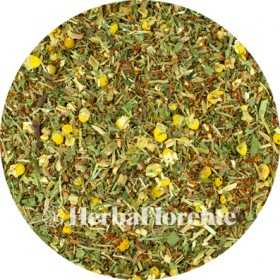
Early Morning Herbal Tea
Herbal tea composed of various herbs
Nice for early morning
Nice for early morning
€3.95
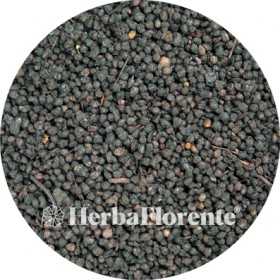
Elder - Sambuci nigri
The elderberry (Sambucus nigra L.) is a native tree or shrub that grows widely in the Netherlands. It grows in a variety of locations, such as along roads, in forest edges, and in gardens.
At the end of May, the elderberry blooms with large umbels of small, creamy-white flowers that exude a sweet, floral fragrance. These blossoms are traditionally used to make elderflower liqueur, syrup, and pancakes, among other things.
The flowers contain various natural plant compounds, including flavonoids such as rutin, quercetin, and astragalin. They also contain tannins, triterpenes, fatty acids, and essential oils.
At the end of May, the elderberry blooms with large umbels of small, creamy-white flowers that exude a sweet, floral fragrance. These blossoms are traditionally used to make elderflower liqueur, syrup, and pancakes, among other things.
The flowers contain various natural plant compounds, including flavonoids such as rutin, quercetin, and astragalin. They also contain tannins, triterpenes, fatty acids, and essential oils.
€3.00
From: €3.00
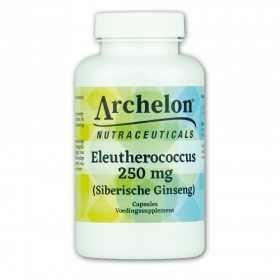
Eleutherococcus (Siberian Ginseng) - 250 mg
Siberian ginseng is a perennial plant native to Russia, Japan, Korea, and China. The roots of the plant have been used in traditional herbal medicine for centuries. Siberian ginseng is often used in supplements and herbal preparations. It is important not to confuse this species with Korean ginseng (Panax ginseng) or American ginseng (Panax quinquefolius), as they are different plants.
€14.36
€17.95
Eleutherococcus (Siberian Ginseng) - Eleutherococcus
Siberian ginseng (Eleutherococcus senticosus) is a shrubby plant native to parts of Russia, China, Korea, and Japan. The plant belongs to the Araliaceae family and is botanically related to, but distinct from, the better-known Panax species such as Korean ginseng (Panax ginseng) and American ginseng (Panax quinquefolius).
The roots of Siberian ginseng have long been mentioned in East Asian and Russian botanical literature. These historical and cultural sources describe the plant as part of traditional practices. This long history of use has also led to Siberian ginseng becoming known beyond its native range.
The roots of Siberian ginseng have long been mentioned in East Asian and Russian botanical literature. These historical and cultural sources describe the plant as part of traditional practices. This long history of use has also led to Siberian ginseng becoming known beyond its native range.
€2.80
From: €2.80
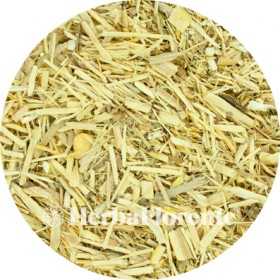
Eleutherococcus (Siberian Ginseng) - Eleutherococcus - Cut
Siberian ginseng (Eleutherococcus senticosus) is a shrubby plant native to parts of Russia, China, Korea, and Japan. The plant belongs to the Araliaceae family and is botanically related to, but distinct from, the better-known Panax species such as Korean ginseng (Panax ginseng) and American ginseng (Panax quinquefolius).
The roots of Siberian ginseng have long been mentioned in East Asian and Russian botanical literature. These historical and cultural sources describe the plant as part of traditional practices. This long history of use has also led to Siberian ginseng becoming known beyond its native range.
The roots of Siberian ginseng have long been mentioned in East Asian and Russian botanical literature. These historical and cultural sources describe the plant as part of traditional practices. This long history of use has also led to Siberian ginseng becoming known beyond its native range.
€2.20
From: €2.20