



Trending
€57.50
€62.50

€35.95
€62.50
€62.50
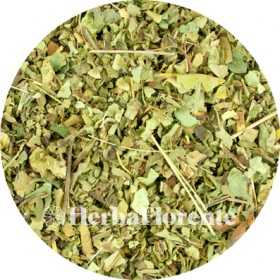
Lungwort - Pulmonaria officinalis
€5.91 €6.95 -15%
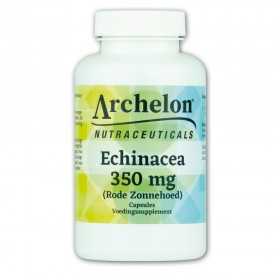
Echinacea (Red Coneflower) - 350 mg
€15.96 €19.95 -20%

HerbaFlorente
There are 287 products.
Cat's Claw - Uncaria tomentosa - Cut
Cat's claw (Uncaria tomentosa), also known as cat's claw, is a climbing plant native to the Amazon region of Brazil and Peru, among other places. The plant grows in rainforests and can cling to trees with its characteristic, claw-shaped thorns. These thorns, located at the base of the leaves, give the plant its name and enable it to climb to great heights.
In the Peruvian Amazon, cat's claw has special cultural significance and is considered part of traditional plant knowledge. Due to its origins and ecological importance, the species is a protected plant in certain regions.
In the Peruvian Amazon, cat's claw has special cultural significance and is considered part of traditional plant knowledge. Due to its origins and ecological importance, the species is a protected plant in certain regions.
€2.40
From: €2.40
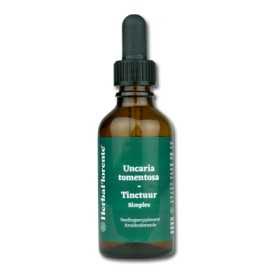
Cat's Claw Tincture - Uncaria tomentosa Tincture
Single herbal tincture made with dried bark of Uncaria tomentosa (Cat's Claw).
Cat's claw (Uncaria tomentosa), also known as cat's claw, is a climbing plant native to the Amazon region of Brazil and Peru, among other places. The plant grows in rainforests and can cling to trees with its characteristic, claw-shaped thorns. These thorns, located at the base of the leaves, give the plant its name and enable it to climb to great heights.
In the Peruvian Amazon, cat's claw has special cultural significance and is considered part of traditional plant knowledge. Due to its origins and ecological importance, the species is a protected plant in certain regions.
Cat's claw (Uncaria tomentosa), also known as cat's claw, is a climbing plant native to the Amazon region of Brazil and Peru, among other places. The plant grows in rainforests and can cling to trees with its characteristic, claw-shaped thorns. These thorns, located at the base of the leaves, give the plant its name and enable it to climb to great heights.
In the Peruvian Amazon, cat's claw has special cultural significance and is considered part of traditional plant knowledge. Due to its origins and ecological importance, the species is a protected plant in certain regions.
€9.95
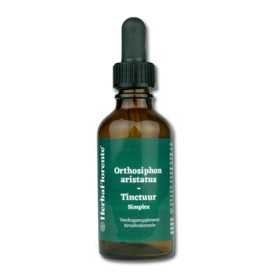
Cat's whiskers Tincture - Orthosiphon aristatus Tincture
Single herbal tincture made with dried herb of Orthosiphon aristatus (Cat's whiskers).
Cat's whiskers, also known as Kumis Kutjing, is a plant traditionally used in various Asian herbal traditions. The species belongs to the Lamiaceae family and is native to tropical and subtropical regions, particularly Southeast Asia, including Malaysia and Java.
The plant prefers moist habitats, such as wetlands, riverbanks, and swampy areas. Cat's whiskers is most recognizable by its white to pale lilac flowers with strikingly long, thread-like stamens that can grow up to approximately three centimeters long. These characteristics have led to the Dutch name "kattensnor" (cat's whiskers).
Cat's whiskers, also known as Kumis Kutjing, is a plant traditionally used in various Asian herbal traditions. The species belongs to the Lamiaceae family and is native to tropical and subtropical regions, particularly Southeast Asia, including Malaysia and Java.
The plant prefers moist habitats, such as wetlands, riverbanks, and swampy areas. Cat's whiskers is most recognizable by its white to pale lilac flowers with strikingly long, thread-like stamens that can grow up to approximately three centimeters long. These characteristics have led to the Dutch name "kattensnor" (cat's whiskers).
€10.95
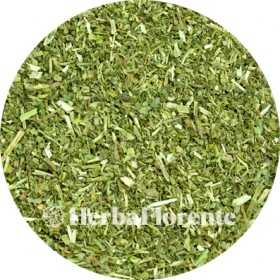
Catnip - Nepetae catariae
Wild catnip (Nepeta cataria) belongs to a genus of 250 species in the family Lamiaceae. The genus is closely related to Glechoma, Stachys and Prunella. This genus originally occurs in Europe and Asia. The stems grow in nodes and often form dense carpets on the ground. The leaves are coarsely toothed and feel soft because of the hairs. The erect stems bear small, tubular flowers in pairs that are located in the axils of the leaves.
€2.20
From: €2.20
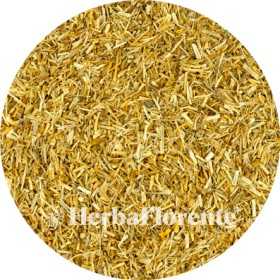
Centaury - Centaurium erythraea
Centaury is the Dutch name for various herbaceous plants from the genus Centaurium (synonym: Erythraea), belonging to the gentian family (Gentianaceae). The genus contains approximately fifty species. The botanical name is often associated with the centaur Chiron from Greek mythology, who was known for his knowledge of plants. Another explanation refers to the Latin centum (hundred) and aurum (gold), possibly indicating the historical value attributed to the herb.
Centaury is native to large parts of Europe and the Mediterranean region. The plants prefer sunny and slightly moist locations, such as dunes, grasslands, forest edges, and meadows.
Centaury is native to large parts of Europe and the Mediterranean region. The plants prefer sunny and slightly moist locations, such as dunes, grasslands, forest edges, and meadows.
€2.50
From: €2.50
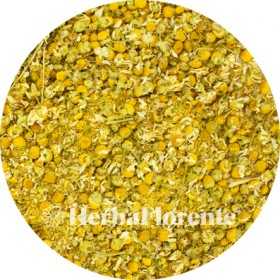
Chamomile (Flower) - Matricaria recutita, Chamomillae europ. - Whole
Chamomile (Matricaria chamomilla, synonym Matricaria recutita) is an annual, aromatic plant from the Asteraceae family. Originally native to large parts of Europe, it is now widely cultivated, including in Hungary and several Eastern European countries.
Chamomile has a long cultural and historical background. In ancient Egypt, the plant was symbolically worshipped and associated with the sun god Ra. Throughout the centuries, chamomile has been frequently described in botanical and historical sources, contributing to its fame and spread.
Chamomile has a long cultural and historical background. In ancient Egypt, the plant was symbolically worshipped and associated with the sun god Ra. Throughout the centuries, chamomile has been frequently described in botanical and historical sources, contributing to its fame and spread.
€3.20
From: €3.20
Chamomile - Matricaria recutita, Chamomillae europ.
Chamomile (Matricaria chamomilla, synonym Matricaria recutita) is an annual, aromatic plant from the Asteraceae family. Originally native to large parts of Europe, it is now widely cultivated, including in Hungary and several Eastern European countries.
Chamomile has a long cultural and historical background. In ancient Egypt, the plant was symbolically worshipped and associated with the sun god Ra. Throughout the centuries, chamomile has been frequently described in botanical and historical sources, contributing to its fame and spread.
Chamomile has a long cultural and historical background. In ancient Egypt, the plant was symbolically worshipped and associated with the sun god Ra. Throughout the centuries, chamomile has been frequently described in botanical and historical sources, contributing to its fame and spread.
€3.40
From: €3.40
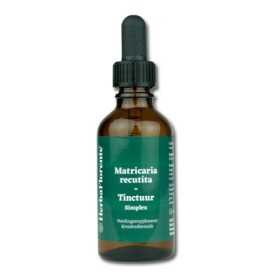
Chamomile Tincture - Matricaria recutita Tincture
Single herbal tincture made with dried flower of Matricaria recutita (True Chamomile).
Chamomile (Matricaria chamomilla, synonym Matricaria recutita) is an annual, aromatic plant from the Asteraceae family. The plant is native to large parts of Europe and is now widely cultivated, including in Hungary and several Eastern European countries.
Chamomile has a long cultural and historical background. In ancient Egypt, the plant was symbolically worshipped and associated with the sun god Ra. Throughout the centuries, chamomile has been frequently described in botanical and historical sources, contributing to its fame and spread.
Chamomile (Matricaria chamomilla, synonym Matricaria recutita) is an annual, aromatic plant from the Asteraceae family. The plant is native to large parts of Europe and is now widely cultivated, including in Hungary and several Eastern European countries.
Chamomile has a long cultural and historical background. In ancient Egypt, the plant was symbolically worshipped and associated with the sun god Ra. Throughout the centuries, chamomile has been frequently described in botanical and historical sources, contributing to its fame and spread.
€11.95
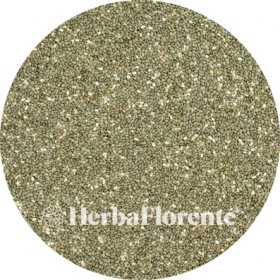
Chia seeds - Salviae Sem. Hispanica nigri albi
Chia, also known as Salvia hispanica, is a plant from the Lamiaceae family, originally from central and southern Mexico and Guatemala. The Aztecs cultivated this plant even before Columbus discovered America, and chia seeds were used as currency to the rulers. Today, chia is still prized in Mexico and Guatemala; the ground seeds are used in dishes, while whole seeds are often added to nutritious drinks.
The main purpose of growing chia is for its seeds, which are rich in omega-3 fatty acids. About 25-30% of the seed contains vegetable oil, including alpha-linolenic acid (ALA). Chia seeds are small and oval, about 1 mm in diameter, and have a color palette of brown, gray-black and white.
The main purpose of growing chia is for its seeds, which are rich in omega-3 fatty acids. About 25-30% of the seed contains vegetable oil, including alpha-linolenic acid (ALA). Chia seeds are small and oval, about 1 mm in diameter, and have a color palette of brown, gray-black and white.
€2.00
From: €2.00
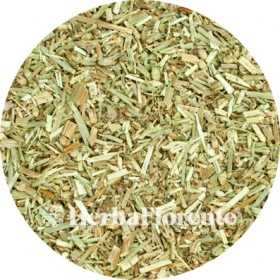
Chicory (Herb) - Cichorium Intybus
Chicory (Cichorium) belongs to the composite family (Compositae or Asteraceae) and includes well-known vegetables such as chicory and endive. It is mainly consumed for health reasons.
Since the late years of the twentieth century, chicory roots have been cultivated not only for chicory, but also for the production of inulin and sweeteners, especially fructose. Both inulin (a dietary fiber) and fructose are widely used in the food industry.
Roasted chicory root is used as a coffee substitute or as an ingredient in coffee brewing. In the past, this was done out of necessity, such as during the Napoleonic blockade during the French occupation.
Since the late years of the twentieth century, chicory roots have been cultivated not only for chicory, but also for the production of inulin and sweeteners, especially fructose. Both inulin (a dietary fiber) and fructose are widely used in the food industry.
Roasted chicory root is used as a coffee substitute or as an ingredient in coffee brewing. In the past, this was done out of necessity, such as during the Napoleonic blockade during the French occupation.
€2.00
From: €2.00
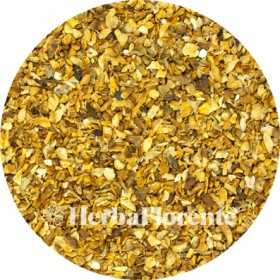
Chicory (Root) - Cichorium Intybus - Cut
Chicory (Cichorium) belongs to the composite family (Compositae or Asteraceae) and includes well-known vegetables such as chicory and endive. It is mainly consumed for health reasons.
Since the late years of the twentieth century, chicory roots have been cultivated not only for chicory, but also for the production of inulin and sweeteners, especially fructose. Both inulin (a dietary fiber) and fructose are widely used in the food industry.
Roasted chicory root is used as a coffee substitute or as an ingredient in coffee brewing. In the past, this was done out of necessity, such as during the Napoleonic blockade during the French occupation.
Since the late years of the twentieth century, chicory roots have been cultivated not only for chicory, but also for the production of inulin and sweeteners, especially fructose. Both inulin (a dietary fiber) and fructose are widely used in the food industry.
Roasted chicory root is used as a coffee substitute or as an ingredient in coffee brewing. In the past, this was done out of necessity, such as during the Napoleonic blockade during the French occupation.
€2.00
From: €2.00
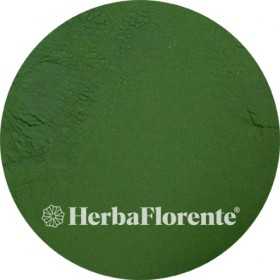
Chlorella - Chlorella
Chlorella is a single-celled green algae belonging to the green algae group. This microscopic algae occurs naturally in freshwater environments such as lakes and rivers and is cultivated worldwide. The name chlorella is derived from the Greek words chloros (green) and ella (small), which refers to its color and size.
Chlorella is known for its natural composition and is described in nutritional and botanical sources as an algae that naturally contains various nutrients, including proteins, vitamins, minerals, and fatty acids. In addition, chlorella contains chlorophyll, the green pigment that plays an essential role in photosynthesis.
Furthermore, descriptions of chlorella often mention plant-based compounds such as beta-carotene and lutein.
Chlorella is known for its natural composition and is described in nutritional and botanical sources as an algae that naturally contains various nutrients, including proteins, vitamins, minerals, and fatty acids. In addition, chlorella contains chlorophyll, the green pigment that plays an essential role in photosynthesis.
Furthermore, descriptions of chlorella often mention plant-based compounds such as beta-carotene and lutein.
€4.60
From: €4.60
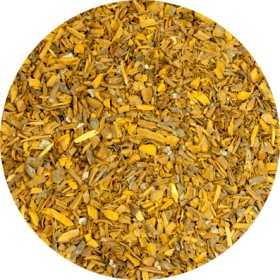
Cinchona tree (Kina - Quina) - Cinchona officinalis
Cinchona, also known as quina, is the collective name for the genus Cinchona, which consists of approximately 38 species in the Rubiaceae family. These trees and shrubs originate from the tropical mountain forests of the Andes in Western South America. Cinchona is primarily known for its medicinal significance: the bark contains quinine and other alkaloids that have traditionally been used in the treatment of malaria.
€4.00
From: €4.00
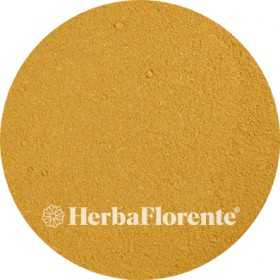
Cinnamon - Cinnamomi ceylon
Cinnamon (Cinnamomum ceylon) is an ancient spice extracted from the bark of the cinnamon tree. A section of the bark is carefully cut away, after which the rough outer layer is removed. The familiar cinnamon sticks or cinnamon powder are created from the inner layer of the bark. Cinnamon has been valued for centuries for its culinary and cultural uses.
In Asian and other cultures, cinnamon is traditionally used for various purposes, with its delightful aroma playing a significant role. This aroma is primarily determined by the volatile oil cinnamaldehyde. Cinnamon also naturally contains substances such as eugenol, coumarins, tannins, OPCs, and terpenes.
In Asian and other cultures, cinnamon is traditionally used for various purposes, with its delightful aroma playing a significant role. This aroma is primarily determined by the volatile oil cinnamaldehyde. Cinnamon also naturally contains substances such as eugenol, coumarins, tannins, OPCs, and terpenes.
€2.95
From: €2.95
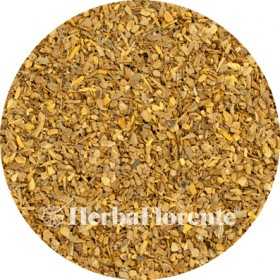
Cinnamon - Cinnamomi ceylon - Cut
Cinnamon (Cinnamomum ceylon) is an ancient spice extracted from the bark of the cinnamon tree. A section of the bark is carefully cut away, after which the rough outer layer is removed. The familiar cinnamon sticks or cinnamon powder are created from the inner layer of the bark. Cinnamon has been valued for centuries for its culinary and cultural uses.
In Asian and other cultures, cinnamon is traditionally used for various purposes, with its delightful aroma playing a significant role. This aroma is primarily determined by the volatile oil cinnamaldehyde. Cinnamon also naturally contains substances such as eugenol, coumarins, tannins, OPCs, and terpenes.
In Asian and other cultures, cinnamon is traditionally used for various purposes, with its delightful aroma playing a significant role. This aroma is primarily determined by the volatile oil cinnamaldehyde. Cinnamon also naturally contains substances such as eugenol, coumarins, tannins, OPCs, and terpenes.
€3.00
From: €3.00
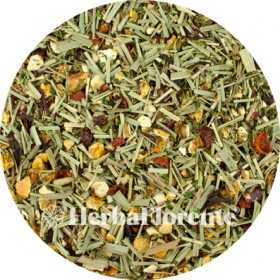
Citrus Blend Herbal Tea
Herbal tea composed of various herbs
Delicious for every moment
Delicious for every moment
€3.95
Clove - Syzygium aromaticum
Cloves are the dried flower buds of the clove tree (Syzygium aromaticum), an evergreen tree native to the Moluccas. The flower buds are harvested before they fully open and then dried. This drying process gives them their characteristic dark color and intensely aromatic scent.
The spice is characterized by its strong flavor and warm, spicy aroma. These properties are primarily due to the presence of essential oils, of which eugenol is the most important component. Eugenol largely determines the scent and flavor profile of cloves and contributes to the stability of the product.
The spice is characterized by its strong flavor and warm, spicy aroma. These properties are primarily due to the presence of essential oils, of which eugenol is the most important component. Eugenol largely determines the scent and flavor profile of cloves and contributes to the stability of the product.
€3.10
From: €3.10
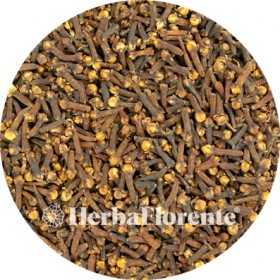
Clove - Syzygium aromaticum - Whole
Cloves are the dried flower buds of the clove tree (Syzygium aromaticum), an evergreen tree native to the Moluccas. The flower buds are harvested before they fully open and then dried. This drying process gives them their characteristic dark color and intensely aromatic scent.
The spice is characterized by its strong flavor and warm, spicy aroma. These properties are primarily due to the presence of essential oils, of which eugenol is the most important component. Eugenol largely determines the scent and flavor profile of cloves and contributes to the stability of the product.
The spice is characterized by its strong flavor and warm, spicy aroma. These properties are primarily due to the presence of essential oils, of which eugenol is the most important component. Eugenol largely determines the scent and flavor profile of cloves and contributes to the stability of the product.
€3.00
From: €3.00
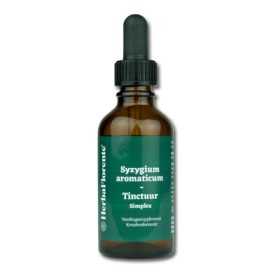
Clove Tincture - Syzygium aromaticum Tincture
Single herbal tincture made with dried flower of Syzygium aromaticum (Clove).
Cloves are the dried flower buds of the clove tree (Syzygium aromaticum), an evergreen tree native to the Moluccas. The flower buds are harvested before they fully open and then dried. This drying process gives them their characteristic dark color and intensely aromatic scent.
The spice is characterized by its strong flavor and warm, spicy aroma. These properties are primarily due to the presence of essential oils, of which eugenol is the most important component. Eugenol largely determines the scent and flavor profile of cloves and contributes to the stability of the product.
Cloves are the dried flower buds of the clove tree (Syzygium aromaticum), an evergreen tree native to the Moluccas. The flower buds are harvested before they fully open and then dried. This drying process gives them their characteristic dark color and intensely aromatic scent.
The spice is characterized by its strong flavor and warm, spicy aroma. These properties are primarily due to the presence of essential oils, of which eugenol is the most important component. Eugenol largely determines the scent and flavor profile of cloves and contributes to the stability of the product.
€10.95
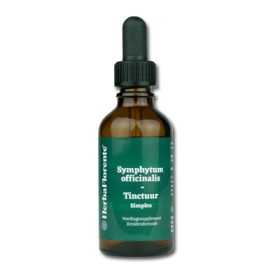
Comfrey Tincture - Symphytum officinalis Tincture
Single herbal tincture made with dried root of Symphytum officinalis (Comfrey).
Common comfrey (Symphytum officinale) is common in the Netherlands and Belgium. It belongs to the Boraginaceae family, a genus of primarily perennial herbs. The flowers have a calyx that is quarter- or completely incised, while the leaves are oblong to lance-shaped and spread out along the stem.
Traditionally, comfrey was used in folk medicine to make ointments, poultices, and compresses.
Common comfrey (Symphytum officinale) is common in the Netherlands and Belgium. It belongs to the Boraginaceae family, a genus of primarily perennial herbs. The flowers have a calyx that is quarter- or completely incised, while the leaves are oblong to lance-shaped and spread out along the stem.
Traditionally, comfrey was used in folk medicine to make ointments, poultices, and compresses.
€12.95
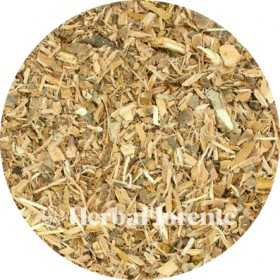
copy of Witch Hazel (Bark) - Hamamelis virginiana
The American witch hazel (Hamamelis virginiana) is a shrub belonging to the family Hamamelidaceae, native to North America from Nova Scotia to Minnesota, and from southern and central Florida to eastern Texas.
The shrub can reach a height of 6 to sometimes even 10 meters, with a bushy growth thanks to the many branches that arise just above the ground. The bark is light brown, smooth but somewhat flaky, and shows a reddish-purple color on the inside.
Blooming from September through October, the flowers of the American witch hazel display clusters of 4 stamens. They usually range from pale yellow to bright yellow, although orange or red hues also occur. The petals are ribbon-shaped and measure 10-20 mm in length.
The shrub can reach a height of 6 to sometimes even 10 meters, with a bushy growth thanks to the many branches that arise just above the ground. The bark is light brown, smooth but somewhat flaky, and shows a reddish-purple color on the inside.
Blooming from September through October, the flowers of the American witch hazel display clusters of 4 stamens. They usually range from pale yellow to bright yellow, although orange or red hues also occur. The petals are ribbon-shaped and measure 10-20 mm in length.
€5.20
From: €5.20
Coriander - Coriandrum sativum
Coriander seeds have been used for thousands of years in various cultures and cuisines worldwide. Traditionally, the seeds are part of spice blends and are prized for their warm, slightly citrusy, and spicy aroma. This long-standing use has led to coriander seeds holding a permanent place in both culinary and traditional herbal practices to this day.
Coriander (Coriandrum sativum) is a versatile plant, with both the leaves and seeds used. The seeds are distinguished by their specific composition and concentrated aromatic compounds. They naturally contain various vitamins and minerals, including vitamins A, C, and K, folic acid, and minerals such as iron, manganese, potassium, magnesium, and calcium.
Coriander (Coriandrum sativum) is a versatile plant, with both the leaves and seeds used. The seeds are distinguished by their specific composition and concentrated aromatic compounds. They naturally contain various vitamins and minerals, including vitamins A, C, and K, folic acid, and minerals such as iron, manganese, potassium, magnesium, and calcium.
€2.00
From: €2.00
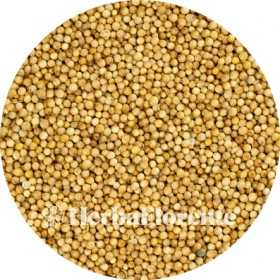
Coriander - Coriandrum sativum - Whole
Coriander seeds have been used for thousands of years in various cultures and cuisines worldwide. Traditionally, the seeds are part of spice blends and are prized for their warm, slightly citrusy, and spicy aroma. This long-standing use has led to coriander seeds holding a permanent place in both culinary and traditional herbal practices to this day.
Coriander (Coriandrum sativum) is a versatile plant, with both the leaves and seeds used. The seeds are distinguished by their specific composition and concentrated aromatic compounds. They naturally contain various vitamins and minerals, including vitamins A, C, and K, folic acid, and minerals such as iron, manganese, potassium, magnesium, and calcium.
Coriander (Coriandrum sativum) is a versatile plant, with both the leaves and seeds used. The seeds are distinguished by their specific composition and concentrated aromatic compounds. They naturally contain various vitamins and minerals, including vitamins A, C, and K, folic acid, and minerals such as iron, manganese, potassium, magnesium, and calcium.
€2.00
From: €2.00
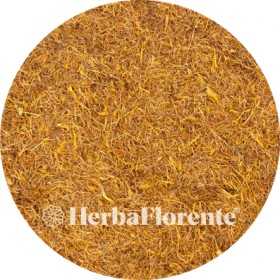
Corn Silk - Zea mays Conc.
Corn hair, also called corn beard, consists of the fine stigmas of the corn plant. When fresh, these threads are green; after drying, they turn dark brown to black.
Cornflour is traditionally used in various herbal and food preparations. It is prized for its mild flavor and has long been used in various traditional applications.
Cornflour is traditionally used in various herbal and food preparations. It is prized for its mild flavor and has long been used in various traditional applications.
€2.00
From: €2.00