



Trending
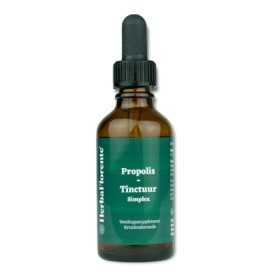
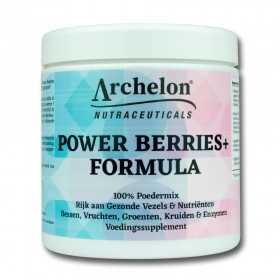
€57.50
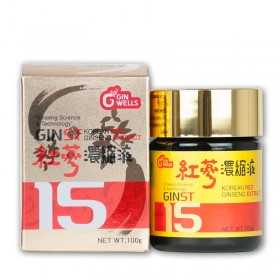
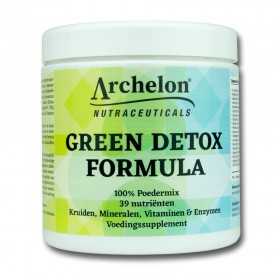
€62.50

€35.95
€62.50
€62.50
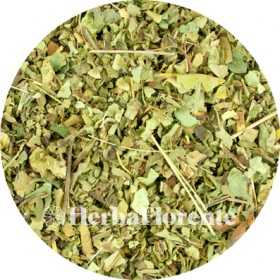
Lungwort - Pulmonaria officinalis
€5.91 €6.95 -15%
Echinacea (Red Coneflower) - 350 mg
€15.96 €19.95 -20%
P, Q, R, S, T
There are 15 products.
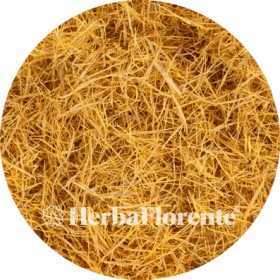
Bitterhout - Quassiae
Bitterwood, known in Suriname as kwasibita, is the heartwood of Quassia amara, a plant species in the Quassia genus, belonging to the Simaroubaceae family. The plant is native to tropical South America.
Quassia amara is a small, evergreen shrub found in regions including the Guyanas, northern Brazil, and Venezuela. The plant grows primarily in the rainforest understory. Its striking bright red flowers, which are primarily pollinated by hummingbirds, are a striking feature. Because of these decorative flowers, the plant is also cultivated outside its natural habitat as an ornamental.
Quassia amara is a small, evergreen shrub found in regions including the Guyanas, northern Brazil, and Venezuela. The plant grows primarily in the rainforest understory. Its striking bright red flowers, which are primarily pollinated by hummingbirds, are a striking feature. Because of these decorative flowers, the plant is also cultivated outside its natural habitat as an ornamental.
€2.80
From: €2.80
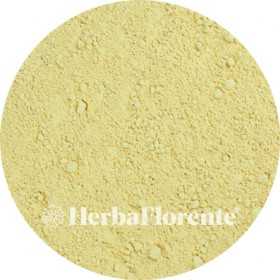
Black Pepper - Piper nigrum
Pepper is a commonly used spice in cooking, known for its sharp taste. It is obtained from the berries of the tropical pepper plant, Piper nigrum. The pungency of black peppercorns comes from the component piperine. Pepper comes in different colors, including black, white and green.
It can be used in virtually any dish and enhances the flavor of meat while adding a spicy note to soups and purees. Sometimes pepper is also used in baking products, such as gingerbread, albeit in moderate amounts. Whole peppercorns, dried berries of the pepper plant, are used in some dishes. Although pepper is also available ground, many gourmets prefer freshly ground pepper. In addition, pepper is also often used fresh. In India, pepper is added to the spiciest curry mixtures.
It can be used in virtually any dish and enhances the flavor of meat while adding a spicy note to soups and purees. Sometimes pepper is also used in baking products, such as gingerbread, albeit in moderate amounts. Whole peppercorns, dried berries of the pepper plant, are used in some dishes. Although pepper is also available ground, many gourmets prefer freshly ground pepper. In addition, pepper is also often used fresh. In India, pepper is added to the spiciest curry mixtures.
€3.00
From: €3.00
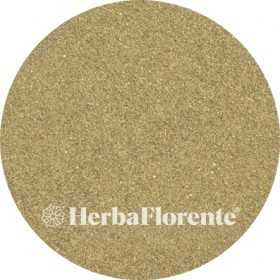
Clove - Syzygium aromaticum
Cloves are the dried flower buds of the clove tree (Syzygium aromaticum), an evergreen tree native to the Moluccas. The flower buds are harvested before they fully open and then dried. This drying process gives them their characteristic dark color and intensely aromatic scent.
The spice is characterized by its strong flavor and warm, spicy aroma. These properties are primarily due to the presence of essential oils, of which eugenol is the most important component. Eugenol largely determines the scent and flavor profile of cloves and contributes to the stability of the product.
The spice is characterized by its strong flavor and warm, spicy aroma. These properties are primarily due to the presence of essential oils, of which eugenol is the most important component. Eugenol largely determines the scent and flavor profile of cloves and contributes to the stability of the product.
€3.10
From: €3.10
Dandelion (Herb & Root) - Taraxum officinale
Dandelion (Taraxacum officinale) is a plant that has been used for centuries in various cultures. Both the root and the aerial parts of the plant are used and are known for their versatile uses.
The young leaves of the dandelion are traditionally used in dishes such as salads, especially in spring. The yellow flowers can be used as decoration and are also suitable for drying and making into herbal tea.
Dandelions naturally contain various plant compounds, including bitter substances, flavonoids, and fatty acids. They are also a source of vitamins, such as B vitamins and vitamin C, and contain minerals such as calcium, magnesium, zinc, and manganese. Because of this composition, the dandelion is valued as an edible wild plant in herbal culture.
The young leaves of the dandelion are traditionally used in dishes such as salads, especially in spring. The yellow flowers can be used as decoration and are also suitable for drying and making into herbal tea.
Dandelions naturally contain various plant compounds, including bitter substances, flavonoids, and fatty acids. They are also a source of vitamins, such as B vitamins and vitamin C, and contain minerals such as calcium, magnesium, zinc, and manganese. Because of this composition, the dandelion is valued as an edible wild plant in herbal culture.
€2.40
From: €2.40
Geranium - Pelargonium sidoides
The Cape geranium (Pelargonium sidoides), known locally as "umckaloabo," is a native geranium species from South Africa. It grows wild among tall grasses and aromatic flower beds on the slopes of the Cape coast and in the grasslands of Lesotho.
The Cape geranium has soft, velvety gray-green leaves and deep magenta flowers. The plant's rhizomes turn dark red when dried and ground.
The Cape geranium has soft, velvety gray-green leaves and deep magenta flowers. The plant's rhizomes turn dark red when dried and ground.
€5.00
From: €5.00
Magnolia Berry (Schisandra) - Schisandrae chinensis
Schisandra, also known as the schisandra berry (Schisandra chinensis), is a plant that has been used in traditional Chinese herbalism for over 2,000 years. The plant produces dark red berries, of which only the seeds are used. These are traditionally harvested after the first frost and then dried.
The schisandra berry naturally contains various plant compounds, including antioxidants. Due to its unique composition and long history, schisandra is often used in herbal blends and teas for traditional purposes.
Within traditional Chinese culture, schisandra is valued and frequently used in herbal formulas. Today, the berry is also used outside of Asia as an ingredient in various herbal preparations.
The schisandra berry naturally contains various plant compounds, including antioxidants. Due to its unique composition and long history, schisandra is often used in herbal blends and teas for traditional purposes.
Within traditional Chinese culture, schisandra is valued and frequently used in herbal formulas. Today, the berry is also used outside of Asia as an ingredient in various herbal preparations.
€7.50
From: €7.50
Milk Thistle (Seed) - Sylibum marianum, Cardui Mariae
Milk thistle (Silybum marianum), also known as milk thistle, is a spiny plant in the Asteraceae family. It originates in the Mediterranean region, but also grows in temperate regions such as the Netherlands and Belgium.
The plant is known for its striking, white-flecked leaves and purple flower heads. Milk thistle seeds contain natural compounds, including silymarin, a group of bioactive compounds considered antioxidants. Because of this composition, milk thistle is traditionally used in various food and herbal products.
The plant is known for its striking, white-flecked leaves and purple flower heads. Milk thistle seeds contain natural compounds, including silymarin, a group of bioactive compounds considered antioxidants. Because of this composition, milk thistle is traditionally used in various food and herbal products.
€2.00
From: €2.00
Pau D'arco - Tabeuiae
Pau d’arco (Tabebuia avellanedae) is a tree native to the Amazon region. Traditionally, the inner layer of the bark is primarily used. This bark has a long history within various cultures in South America.
Pau d’arco bark naturally contains various plant compounds, including flavonoids and quinones. More than twenty different quinone compounds have been identified in the bark, including lapachol and beta-lapachone. These compounds contribute to the characteristic composition of pau d’arco.
Pau d’arco is traditionally made into tea or other herbal preparations and is valued for its natural origins and rich plant profile.
Pau d’arco bark naturally contains various plant compounds, including flavonoids and quinones. More than twenty different quinone compounds have been identified in the bark, including lapachol and beta-lapachone. These compounds contribute to the characteristic composition of pau d’arco.
Pau d’arco is traditionally made into tea or other herbal preparations and is valued for its natural origins and rich plant profile.
€2.60
From: €2.60
Red Clover - Trifolii Rubr. pratense
Red clover (Trifolium pratense) is a plant native to Europe and Central Asia. It is characterized by its compound leaves, which usually consist of three leaflets, and its light purple flower heads.
Red clover flower heads naturally contain various plant compounds, including isoflavones. Isoflavones belong to the polyphenol group and are part of the plant's natural composition. Red clover also contains vitamins such as vitamin C, B1, B2, B3, beta-carotene, and choline.
Red clover has a long history of use in various cultures and is now incorporated into a variety of herbal preparations, such as teas and other plant products.
Red clover flower heads naturally contain various plant compounds, including isoflavones. Isoflavones belong to the polyphenol group and are part of the plant's natural composition. Red clover also contains vitamins such as vitamin C, B1, B2, B3, beta-carotene, and choline.
Red clover has a long history of use in various cultures and is now incorporated into a variety of herbal preparations, such as teas and other plant products.
€4.20
From: €4.20
Ribwort Plantain - Plantaginis lanceolata
Ribwort plantain (Plantago lanceolata) is a native plant found in Europe, parts of Asia, North Africa, and North America. It prefers moist, sandy soil and can be found in grasslands, along roads and railways, and even between paving stones.
Ribwort plantain can reach a height of about 75 centimeters and has long, narrow leaves. Starting in May, the plant blooms with light green flower spikes bearing striking white stamens.
The young leaves contain various natural plant compounds, including mucilage, tannins, bitter substances, and flavonoids, as well as minerals such as potassium and zinc. Ribwort plantain has a long history of traditional and folklore uses and is often considered a common wild plant.
Ribwort plantain can reach a height of about 75 centimeters and has long, narrow leaves. Starting in May, the plant blooms with light green flower spikes bearing striking white stamens.
The young leaves contain various natural plant compounds, including mucilage, tannins, bitter substances, and flavonoids, as well as minerals such as potassium and zinc. Ribwort plantain has a long history of traditional and folklore uses and is often considered a common wild plant.
€2.40
From: €2.40
Rose Root - Rhodiola rosea
Out-of-Stock
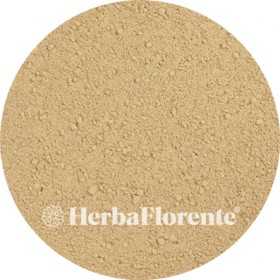
Rhodiola rosea (Rhodiola rosea), also known as "golden root," is a succulent plant that grows naturally in cold, rocky regions around the world. The plant's roots have a distinctive scent reminiscent of roses.
Rhodiola rosea is traditionally used in various cultures and is incorporated into herbal preparations. The root naturally contains several plant compounds, including rosavin and salidroside. These compounds are part of the root's composition and contribute to the herb's characteristic properties.
Rhodiola rosea can be used in herbal teas and other herbal products and is prized for its natural origins and rich composition.
Rhodiola rosea is traditionally used in various cultures and is incorporated into herbal preparations. The root naturally contains several plant compounds, including rosavin and salidroside. These compounds are part of the root's composition and contribute to the herb's characteristic properties.
Rhodiola rosea can be used in herbal teas and other herbal products and is prized for its natural origins and rich composition.
€20.00
From: €20.00
Rosemary - Rosmarini officinalis
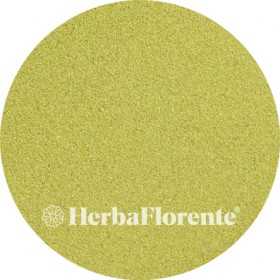
Rosemary (Rosmarinus officinalis L.) is a fragrant, compact shrub from the Lamiaceae family. Native to the Mediterranean region, it is known for its aromatic leaves and lavender-blue flowers that appear in spring.
The name "rosemary" derives from the Latin: ros meaning "dew" and marinus meaning "sea," together meaning "dew of the sea." Rosemary has been prized for centuries in diverse cultures, from the ancient Greeks to the Romans, and is used in culinary dishes and herbal teas.
Rosemary naturally contains plant compounds, including aromatic oils and antioxidants, which contribute to the herb's characteristic aroma and flavor. It is used in a wide variety of dishes, from meat and fish dishes to sauces and marinades, and is also popular in aromatic oils and spice blends.
The name "rosemary" derives from the Latin: ros meaning "dew" and marinus meaning "sea," together meaning "dew of the sea." Rosemary has been prized for centuries in diverse cultures, from the ancient Greeks to the Romans, and is used in culinary dishes and herbal teas.
Rosemary naturally contains plant compounds, including aromatic oils and antioxidants, which contribute to the herb's characteristic aroma and flavor. It is used in a wide variety of dishes, from meat and fish dishes to sauces and marinades, and is also popular in aromatic oils and spice blends.
€2.00
From: €2.00
Spirulina - Spirulina platensis
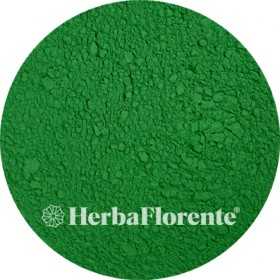
Spirulina is a type of single-celled algae that contains both chlorophyll (a green pigment) and phycocyanin (a blue pigment). The algae forms spiral-shaped microscopic strands and grows naturally in warm, freshwater.
Spirulina contains various nutrients, including protein, vitamins (such as B-complex and E), carotenoids, iron, manganese, zinc, and some fatty acids. Because of this composition, spirulina is often used as part of a varied diet.
The algae can grow in warm environments and retain many of their nutrients, even during processing at higher temperatures..
Spirulina contains various nutrients, including protein, vitamins (such as B-complex and E), carotenoids, iron, manganese, zinc, and some fatty acids. Because of this composition, spirulina is often used as part of a varied diet.
The algae can grow in warm environments and retain many of their nutrients, even during processing at higher temperatures..
€2.80
From: €2.80
Thyme - Thymii vulgaris
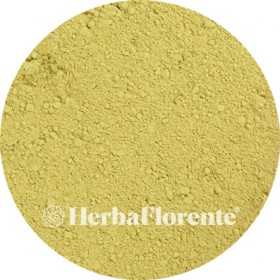
Thyme is a herb valued in both cooking and traditional applications. It is recognizable by its distinctive aroma and can be used in teas, spice blends, syrups, or as a seasoning in dishes.
Thyme grows naturally in Europe, Asia, and Africa, forming hardy shrubs approximately 40 centimeters tall. The herb thrives in dry and stony soils. Both the leaves and flowers of thyme contain various plant compounds, including essential oils and flavonoids.
Thyme was used by the Greeks and Romans since ancient times, primarily for its aroma and culinary uses. Today, thyme is still valued for its fragrance and flavor.
Thyme grows naturally in Europe, Asia, and Africa, forming hardy shrubs approximately 40 centimeters tall. The herb thrives in dry and stony soils. Both the leaves and flowers of thyme contain various plant compounds, including essential oils and flavonoids.
Thyme was used by the Greeks and Romans since ancient times, primarily for its aroma and culinary uses. Today, thyme is still valued for its fragrance and flavor.
€2.20
From: €2.20
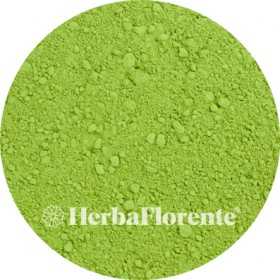
Wheatgrass - Triticum aestivum
Wheatgrass is a plant that naturally contains vitamins A, C, and E, as well as minerals like calcium, magnesium, and iron. It also contains chlorophyll and natural enzymes. The chlorophyll content of wheatgrass is significant.
€2.00
From: €2.00