



Trending
€57.50
€62.50

€35.95
€62.50
€62.50
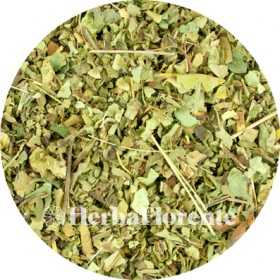
Lungwort - Pulmonaria officinalis
€5.91 €6.95 -15%
Echinacea (Red Coneflower) - 350 mg
€15.96 €19.95 -20%
Latest Blog


Best sellers
There are 368 products.
Cinnamon - Cinnamomi ceylon - Cut
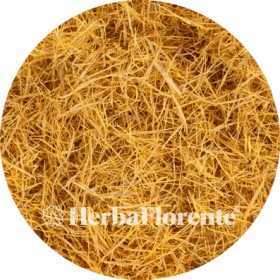
Cinnamon (Cinnamomum ceylon) is an ancient spice extracted from the bark of the cinnamon tree. A section of the bark is carefully cut away, after which the rough outer layer is removed. The familiar cinnamon sticks or cinnamon powder are created from the inner layer of the bark. Cinnamon has been valued for centuries for its culinary and cultural uses.
In Asian and other cultures, cinnamon is traditionally used for various purposes, with its delightful aroma playing a significant role. This aroma is primarily determined by the volatile oil cinnamaldehyde. Cinnamon also naturally contains substances such as eugenol, coumarins, tannins, OPCs, and terpenes.
In Asian and other cultures, cinnamon is traditionally used for various purposes, with its delightful aroma playing a significant role. This aroma is primarily determined by the volatile oil cinnamaldehyde. Cinnamon also naturally contains substances such as eugenol, coumarins, tannins, OPCs, and terpenes.
€3.00
From: €3.00
Goldenrod - Solidago virgaurea - Cut
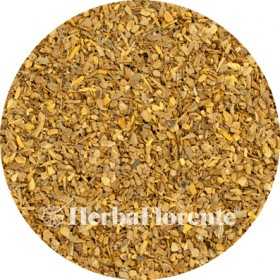
Goldenrod (Solidago virgaurea), also known as goldenrod, is a native plant traditionally found in Europe and Asia. The plant is striking for its golden-yellow blooms and was once a familiar part of traditional Dutch herb gardens.
Historically, goldenrod flowers were widely harvested, dried, and ground. These were used, among other things, as a natural raw material for making yellow dyes. The plant is frequently mentioned in historical and botanical sources for its striking appearance and wide use in craft and cultural traditions.
Today, goldenrod is primarily valued for its botanical characteristics and its role in European plant history.
Historically, goldenrod flowers were widely harvested, dried, and ground. These were used, among other things, as a natural raw material for making yellow dyes. The plant is frequently mentioned in historical and botanical sources for its striking appearance and wide use in craft and cultural traditions.
Today, goldenrod is primarily valued for its botanical characteristics and its role in European plant history.
€2.00
From: €2.00
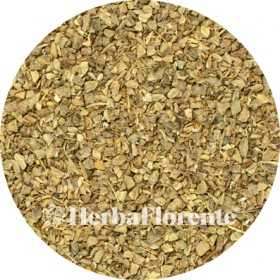
Elecampane - Inula helenium
The Elecampane (Inula helenium) is a perennial plant that belongs to the composite family (Compositae or Asteraceae). This plant is naturally found in Western and Central Asia and has been known for its culinary and medicinal uses since ancient times.
The ancient Greeks called the plant helenion, which means "the radiant, the splendid." This name is related to hèlios, which means "sun". There are several myths surrounding the naming. The Romans adopted the Greek name and called the plant inula. When Linnaeus introduced the scientific Latin name Inula helenium in 1753, he combined the Roman genus name with the Greek specific name.
The ancient Greeks called the plant helenion, which means "the radiant, the splendid." This name is related to hèlios, which means "sun". There are several myths surrounding the naming. The Romans adopted the Greek name and called the plant inula. When Linnaeus introduced the scientific Latin name Inula helenium in 1753, he combined the Roman genus name with the Greek specific name.
€2.20
From: €2.20
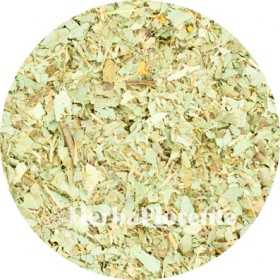
Eucalyptus - Eucalypti globulus
Eucalyptus belongs to the myrtle family (Myrtaceae) and is native to Australia and adjacent areas. A few specimens were brought to Europe by Joseph Banks during Captain Cook's expedition.
In Europe, eucalyptus is primarily planted in the Mediterranean region. Some species can also grow on the west coast of England and Scotland, although only a few are winter-hardy.
Early oil is extracted from the leaves of several eucalyptus species. The best-known species for this purpose are Eucalyptus globulus and Eucalyptus odorata.
In Europe, eucalyptus is primarily planted in the Mediterranean region. Some species can also grow on the west coast of England and Scotland, although only a few are winter-hardy.
Early oil is extracted from the leaves of several eucalyptus species. The best-known species for this purpose are Eucalyptus globulus and Eucalyptus odorata.
€2.40
From: €2.40
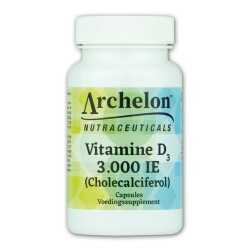
Vitamin D3 (Cholecalciferol) - 3,000 IU - 75 mcg
Vitamin D is a fat-soluble vitamin that the body can produce naturally under the influence of sunlight (UV radiation). Vitamin D is also found in foods such as oily fish (herring, salmon, mackerel), meat, and eggs. Vitamin D production and absorption vary from person to person, depending on factors such as skin pigmentation, age, and sunlight exposure.
€19.95
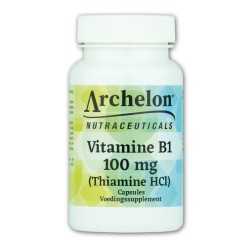
Vitamin B1 (Thiamine HCl) - 100 mg
Vitamin B1 (Thiamine) is a water-soluble vitamin found in foods such as whole grains, legumes, nuts, pork, and some vegetables. In the body, vitamin B1 is converted to its active form, thiamine pyrophosphate (TTP), in which magnesium plays a role. TTP is a form of thiamine found in cells and is involved in various biochemical reactions. Vitamin B1 is stored in small amounts in the liver and can be supplemented through food or supplements.
€19.95
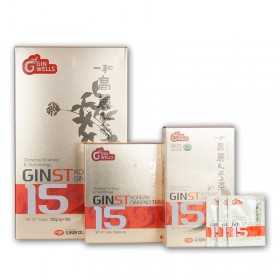
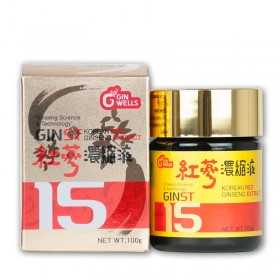
ILHWA GINST15 Korean Ginseng Tea
Experience the taste of Panax Ginseng with our ginseng tea, made with hydrolyzed GINST15 extract.
GINST15 tea is made with granulated ginseng and hydrolyzed extract, which preserves the ginsenosides in the tea. Panax Ginseng is a slow-growing root plant that has been used for centuries in traditional Chinese herbal medicine and is known worldwide for its unique ginsenoside composition.
GINST15 tea is made with granulated ginseng and hydrolyzed extract, which preserves the ginsenosides in the tea. Panax Ginseng is a slow-growing root plant that has been used for centuries in traditional Chinese herbal medicine and is known worldwide for its unique ginsenoside composition.
€33.50
From: €33.50

Vitamin D3 - 2,500 IU - 62.5 mcg & (Menaquinone-7) 25 mcg & Magnesium malate 100 mg
Vitamin D is a fat-soluble vitamin that the body can produce itself under the influence of sunlight (UV radiation). Vitamin D is also found in foods such as oily fish (herring, salmon, mackerel), meat, and eggs. The production and absorption of vitamin D can vary from person to person, depending on skin pigmentation, age, and sunlight exposure.
Vitamin K2, in the form of menaquinone-7, is a form of vitamin K that remains in the body for a long time. Vitamin K2 is available in foods such as fermented cheese, eggs, and meat.
Magnesium malate is a compound of magnesium and malic acid. Magnesium is a mineral that occurs naturally in foods such as whole grains, vegetables, nuts, meat, and dairy products like cottage cheese and yogurt.
Vitamin K2, in the form of menaquinone-7, is a form of vitamin K that remains in the body for a long time. Vitamin K2 is available in foods such as fermented cheese, eggs, and meat.
Magnesium malate is a compound of magnesium and malic acid. Magnesium is a mineral that occurs naturally in foods such as whole grains, vegetables, nuts, meat, and dairy products like cottage cheese and yogurt.
€36.95
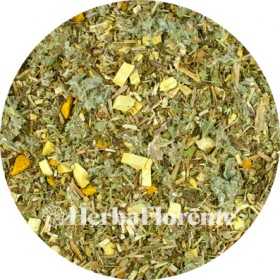
Liver Herbal Tea
Herbal tea composed of various herbs
€4.95
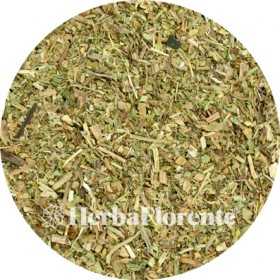
Plantain Broadleaf - Plantaginis major
The Plantain Broadleaf (Plantago major) is a plant belonging to the plantain family (Plantaginaceae) and varies in size from 10 to 50 cm. It forms a dense leaf rosette that is resistant to foot traffic, which is why it is often considered a weed. This plant species is common in gardens, along roads and paths, and is sometimes derisively called the "white man's footprint". Nevertheless, there is a cultivated variety known as Plantago major 'Rosularis'.
€2.00
From: €2.00
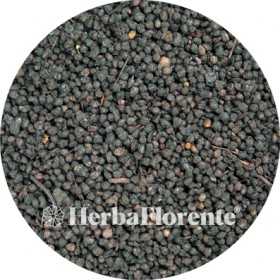
Elder - Sambuci nigri
The elderberry (Sambucus nigra L.) is a native tree or shrub that grows widely in the Netherlands. It grows in a variety of locations, such as along roads, in forest edges, and in gardens.
At the end of May, the elderberry blooms with large umbels of small, creamy-white flowers that exude a sweet, floral fragrance. These blossoms are traditionally used to make elderflower liqueur, syrup, and pancakes, among other things.
The flowers contain various natural plant compounds, including flavonoids such as rutin, quercetin, and astragalin. They also contain tannins, triterpenes, fatty acids, and essential oils.
At the end of May, the elderberry blooms with large umbels of small, creamy-white flowers that exude a sweet, floral fragrance. These blossoms are traditionally used to make elderflower liqueur, syrup, and pancakes, among other things.
The flowers contain various natural plant compounds, including flavonoids such as rutin, quercetin, and astragalin. They also contain tannins, triterpenes, fatty acids, and essential oils.
€3.00
From: €3.00
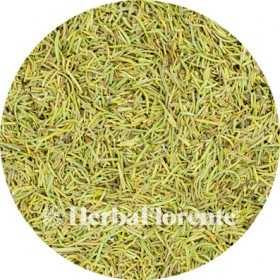
Rosemary - Rosmarini officinalis - Cut
Rosemary (Rosmarinus officinalis L.) is a fragrant, compact shrub from the Lamiaceae family. Native to the Mediterranean region, it is known for its aromatic leaves and lavender-blue flowers that appear in spring.
The name "rosemary" derives from the Latin: ros meaning "dew" and marinus meaning "sea," together meaning "dew of the sea." Rosemary has been prized for centuries in diverse cultures, from the ancient Greeks to the Romans, and is used in culinary dishes and herbal teas.
Rosemary naturally contains plant compounds, including aromatic oils and antioxidants, which contribute to the herb's characteristic aroma and flavor. It is used in a wide variety of dishes, from meat and fish dishes to sauces and marinades, and is also popular in aromatic oils and spice blends.
The name "rosemary" derives from the Latin: ros meaning "dew" and marinus meaning "sea," together meaning "dew of the sea." Rosemary has been prized for centuries in diverse cultures, from the ancient Greeks to the Romans, and is used in culinary dishes and herbal teas.
Rosemary naturally contains plant compounds, including aromatic oils and antioxidants, which contribute to the herb's characteristic aroma and flavor. It is used in a wide variety of dishes, from meat and fish dishes to sauces and marinades, and is also popular in aromatic oils and spice blends.
€2.00
From: €2.00
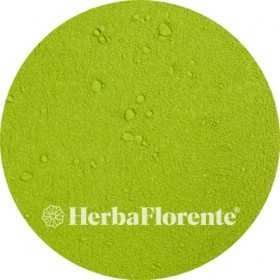
Moringa Tree - Moringa oleifera (Leaf Grounded)
Moringa oleifera, often called the "tree of life," is a plant native to parts of Africa and Asia. The leaves of the moringa tree contain various nutrients, such as vitamins, minerals, proteins, and antioxidants.
In many Asian and African cultures, moringa has been used for centuries as part of the daily diet. The leaves can be incorporated into meals or used as a supplement for their nutritional value.
In many Asian and African cultures, moringa has been used for centuries as part of the daily diet. The leaves can be incorporated into meals or used as a supplement for their nutritional value.
€3.20
From: €3.20
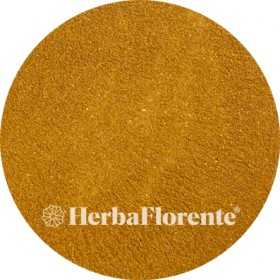
Clove - Syzygium aromaticum
Cloves are the dried flower buds of the clove tree (Syzygium aromaticum), an evergreen tree native to the Moluccas. The flower buds are harvested before they fully open and then dried. This drying process gives them their characteristic dark color and intensely aromatic scent.
The spice is characterized by its strong flavor and warm, spicy aroma. These properties are primarily due to the presence of essential oils, of which eugenol is the most important component. Eugenol largely determines the scent and flavor profile of cloves and contributes to the stability of the product.
The spice is characterized by its strong flavor and warm, spicy aroma. These properties are primarily due to the presence of essential oils, of which eugenol is the most important component. Eugenol largely determines the scent and flavor profile of cloves and contributes to the stability of the product.
€3.10
From: €3.10
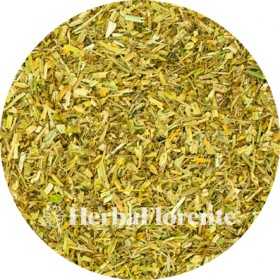
Pansy, Herb trinit Herb - Viola tricolor - Cut
The pansy (Viola tricolor), also known as the wild violet, is an ornamental plant that has been part of European botanical knowledge for centuries. The tricolor violet belongs to the pansy family (Violaceae) and is native to Europe, from Lapland to the Mediterranean, and even to Siberia.
This plant, which is annual but can sometimes be perennial, grows to a height of 30 cm and has roots that can reach depths of up to 45 cm. Its flowering period extends from May to October. The flowers are at least 1 cm wide, but usually larger, with an average diameter of 1.5 cm. The plant was first described by the renowned botanist Rembert Dodoens in 1554.
This plant, which is annual but can sometimes be perennial, grows to a height of 30 cm and has roots that can reach depths of up to 45 cm. Its flowering period extends from May to October. The flowers are at least 1 cm wide, but usually larger, with an average diameter of 1.5 cm. The plant was first described by the renowned botanist Rembert Dodoens in 1554.
€2.00
From: €2.00
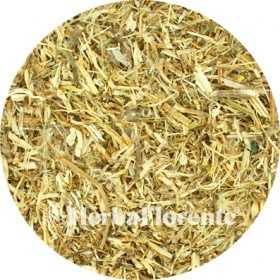
Nettle (Root) - Urticae dioica
Nettle (Urtica dioica) is a herbaceous plant found in many places and known for its stinging hairs when touched. Despite this characteristic, the plant has long been valued and used in various cultures. Nettle is used in culinary preparations such as soup and herbal tea.
The plant is native to large parts of Europe, Asia, and Africa. The Latin name Urtica dioica refers to the plant's stinging properties. Historical and botanical sources describe both the leaves and the roots as being traditionally collected and processed.
Both nettle leaf and root hold a firm place in herbal tradition.
The plant is native to large parts of Europe, Asia, and Africa. The Latin name Urtica dioica refers to the plant's stinging properties. Historical and botanical sources describe both the leaves and the roots as being traditionally collected and processed.
Both nettle leaf and root hold a firm place in herbal tradition.
€2.20
From: €2.20
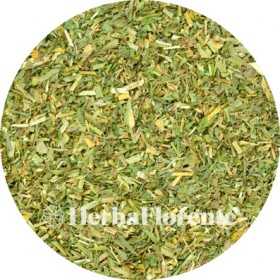
Alfalfa - Medicago sativa
Lucerne (Medicago sativa), also known as alfalfa, is a perennial plant that can live between five and twelve years, depending on the variety and climate. With a height of up to one meter and clusters of small purple flowers, the plant resembles clover. The plant has a deep and powerful root system that can extend up to 4.5 meters.
Lucerne is native to Europe and is grown worldwide as animal feed. In the Netherlands, alfalfa is mainly dried artificially for the production of protein-rich animal feed.
Lucerne is native to Europe and is grown worldwide as animal feed. In the Netherlands, alfalfa is mainly dried artificially for the production of protein-rich animal feed.
€2.00
From: €2.00
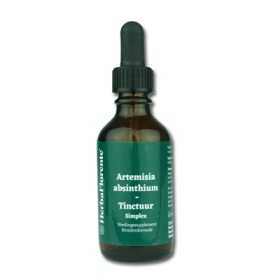
Wormwood Tincture - Artemisia absinthium Tincture
Single herbal tincture made with dried herb of Artemisia absinthium (Wormwood).
Wormwood (Artemisia absinthium) is a plant in the Asteraceae family. This species is listed on the Dutch Red List of Plants as relatively rare and moderately declining. It is a perennial plant that grows naturally in dry, calcareous, nitrogen-rich, and cultivated soils in temperate regions of Europe, Asia, and North Africa. The genus name Artemisia is derived from the Greek goddess of hunting, Artemis.
Wormwood (Artemisia absinthium) is a plant in the Asteraceae family. This species is listed on the Dutch Red List of Plants as relatively rare and moderately declining. It is a perennial plant that grows naturally in dry, calcareous, nitrogen-rich, and cultivated soils in temperate regions of Europe, Asia, and North Africa. The genus name Artemisia is derived from the Greek goddess of hunting, Artemis.
€10.95
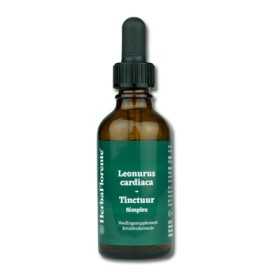
Heartwort Tincture - Leonurus cardiaca Tincture
Single herbal tincture made with dried herb of Leonurus cardiaca (Heartwort).
Heartwort (Leonurus cardiaca) is a fragrant perennial plant that belongs to the Lamiaceae family. Originating in Central Asia, this plant has spread throughout the world.
The leaves are suitable for seasoning pea and lentil soup, and were also used in the past to brew beer.
The plant grows to a height of 30-90 cm and forms rhizomes and square stems with scattered hairs. The leaves, which are medium green in color, have three to seven lobes and are downy hairy on the underside.
Heartwort (Leonurus cardiaca) is a fragrant perennial plant that belongs to the Lamiaceae family. Originating in Central Asia, this plant has spread throughout the world.
The leaves are suitable for seasoning pea and lentil soup, and were also used in the past to brew beer.
The plant grows to a height of 30-90 cm and forms rhizomes and square stems with scattered hairs. The leaves, which are medium green in color, have three to seven lobes and are downy hairy on the underside.
€10.95
Ginkgo (Maidenhair tree) - Ginkgo bilobae - Cut
The Ginkgo biloba (Maidenhairtree), also known as the Japanese temple tree, is a unique deciduous tree with a very long history. The species has been mentioned for centuries in botanical and cultural sources from East Asia and is native to China.
Ginkgo biloba is unique within the plant kingdom and is considered a species with no direct relatives. For this reason, Charles Darwin called the ginkgo a "living fossil." The tree has existed for approximately 250 million years and has survived several mass extinctions. Today, it is planted worldwide as an ornamental and avenue tree.
Ginkgo biloba is unique within the plant kingdom and is considered a species with no direct relatives. For this reason, Charles Darwin called the ginkgo a "living fossil." The tree has existed for approximately 250 million years and has survived several mass extinctions. Today, it is planted worldwide as an ornamental and avenue tree.
€3.00
From: €3.00
Mistletoe - Viscum alba
Mistletoe (Viscum album) is an evergreen plant belonging to the sandalwood family (Santalaceae). It is also known by common names such as mistletoe, mistletoe, and birdlime. Mistletoe is native to Europe, Northwest Africa, and West and Central Asia. It is a semi-parasitic plant that grows on various types of trees and shrubs, where it extracts water and minerals while photosynthesizing.
Throughout the centuries, mistletoe has become deeply intertwined with legends, rituals, and symbolism. Druids considered mistletoe growing on an oak tree sacred and associated it with the new year, fertility, and prosperity.
Throughout the centuries, mistletoe has become deeply intertwined with legends, rituals, and symbolism. Druids considered mistletoe growing on an oak tree sacred and associated it with the new year, fertility, and prosperity.
€2.00
From: €2.00
Geranium - Pelargonium sidoides - Cut
The Cape geranium (Pelargonium sidoides), known locally as "umckaloabo," is a native geranium species from South Africa. It grows wild among tall grasses and aromatic flower beds on the slopes of the Cape coast and in the grasslands of Lesotho.
The Cape geranium has soft, velvety gray-green leaves and deep magenta flowers. The plant's rhizomes turn dark red when dried and ground.
Pelargonium sidoides belongs to the Geraniaceae family. Originally, the Pelargoniums brought to Europe closely resembled common garden geraniums, but botanically, there appears to be a clear difference between this South African species and the geraniums grown in gardens. In the wild, the plant occurs only in a few small areas of South Africa, but today it is also cultivated on plantations.
The Cape geranium has soft, velvety gray-green leaves and deep magenta flowers. The plant's rhizomes turn dark red when dried and ground.
Pelargonium sidoides belongs to the Geraniaceae family. Originally, the Pelargoniums brought to Europe closely resembled common garden geraniums, but botanically, there appears to be a clear difference between this South African species and the geraniums grown in gardens. In the wild, the plant occurs only in a few small areas of South Africa, but today it is also cultivated on plantations.
€4.40
From: €4.40
Eleutherococcus (Siberian Ginseng) - Eleutherococcus - Cut
Siberian ginseng (Eleutherococcus senticosus) is a shrubby plant native to parts of Russia, China, Korea, and Japan. The plant belongs to the Araliaceae family and is botanically related to, but distinct from, the better-known Panax species such as Korean ginseng (Panax ginseng) and American ginseng (Panax quinquefolius).
The roots of Siberian ginseng have long been mentioned in East Asian and Russian botanical literature. These historical and cultural sources describe the plant as part of traditional practices. This long history of use has also led to Siberian ginseng becoming known beyond its native range.
The roots of Siberian ginseng have long been mentioned in East Asian and Russian botanical literature. These historical and cultural sources describe the plant as part of traditional practices. This long history of use has also led to Siberian ginseng becoming known beyond its native range.
€2.20
From: €2.20
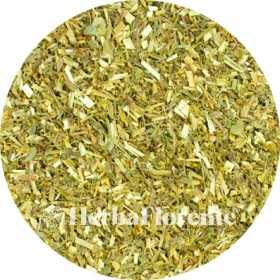
Yellow Sweet Slover - Melilotus officinalis
The Yellow Sweet Slover (Melilotus officinalis) is a biennial or perennial plant from the legume family (Leguminosae). Originally from Southern Europe, this plant has now spread worldwide. It is a slender, hairless plant that is frequently found along roads and on arable land, and is also found in dune areas. The lemon yellow honey clover reaches a height of 30 to 150 cm and blooms from July to October.
€2.00
From: €2.00